

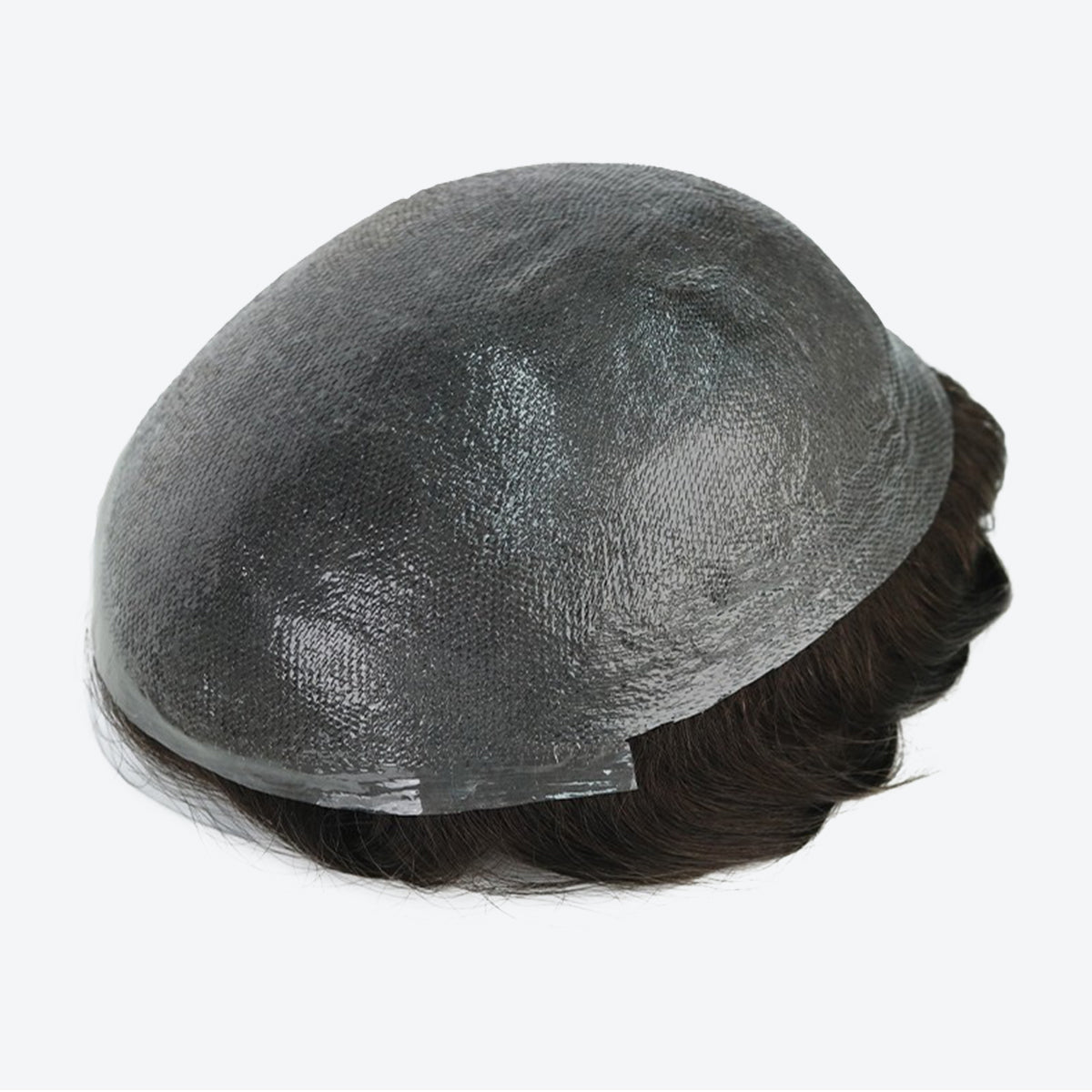
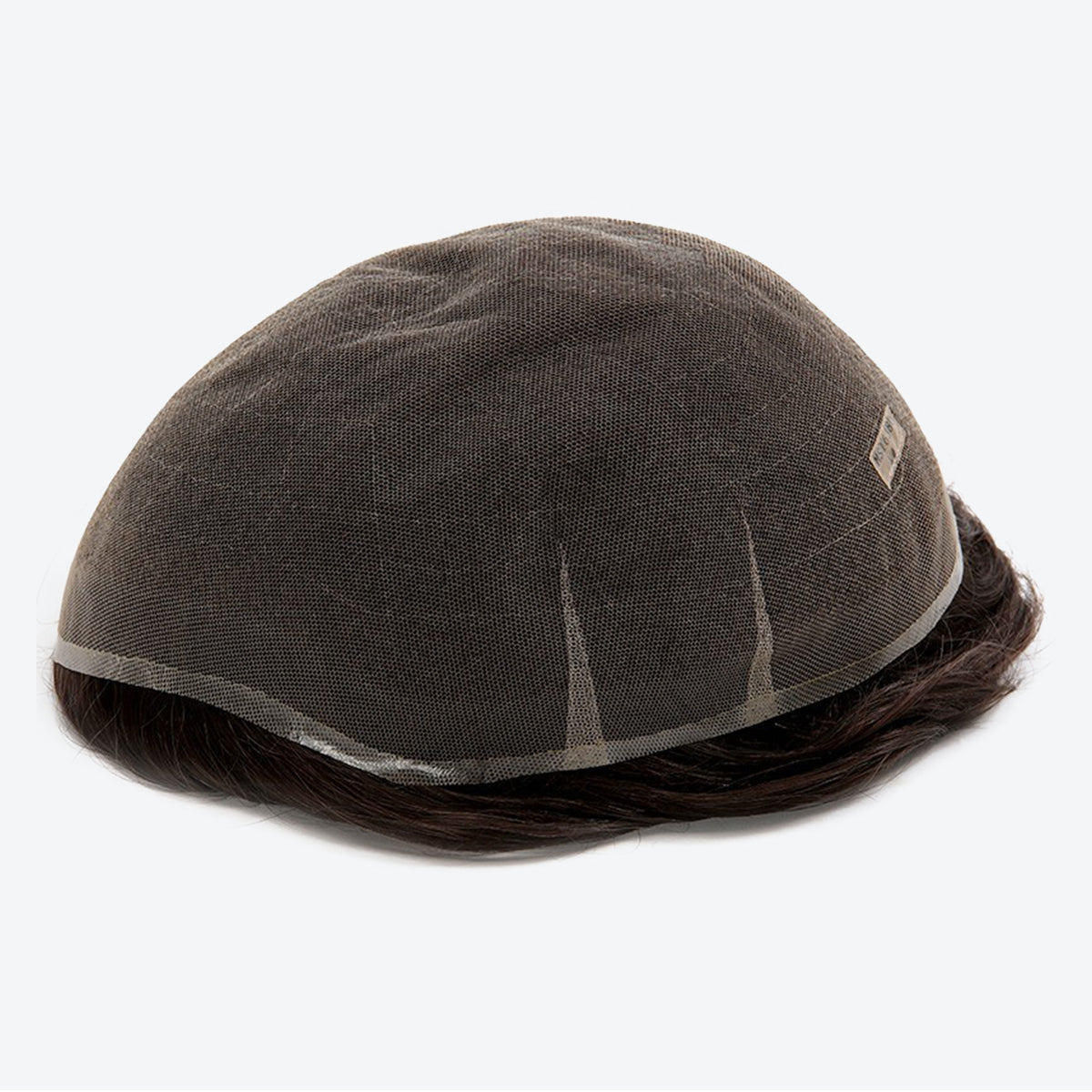
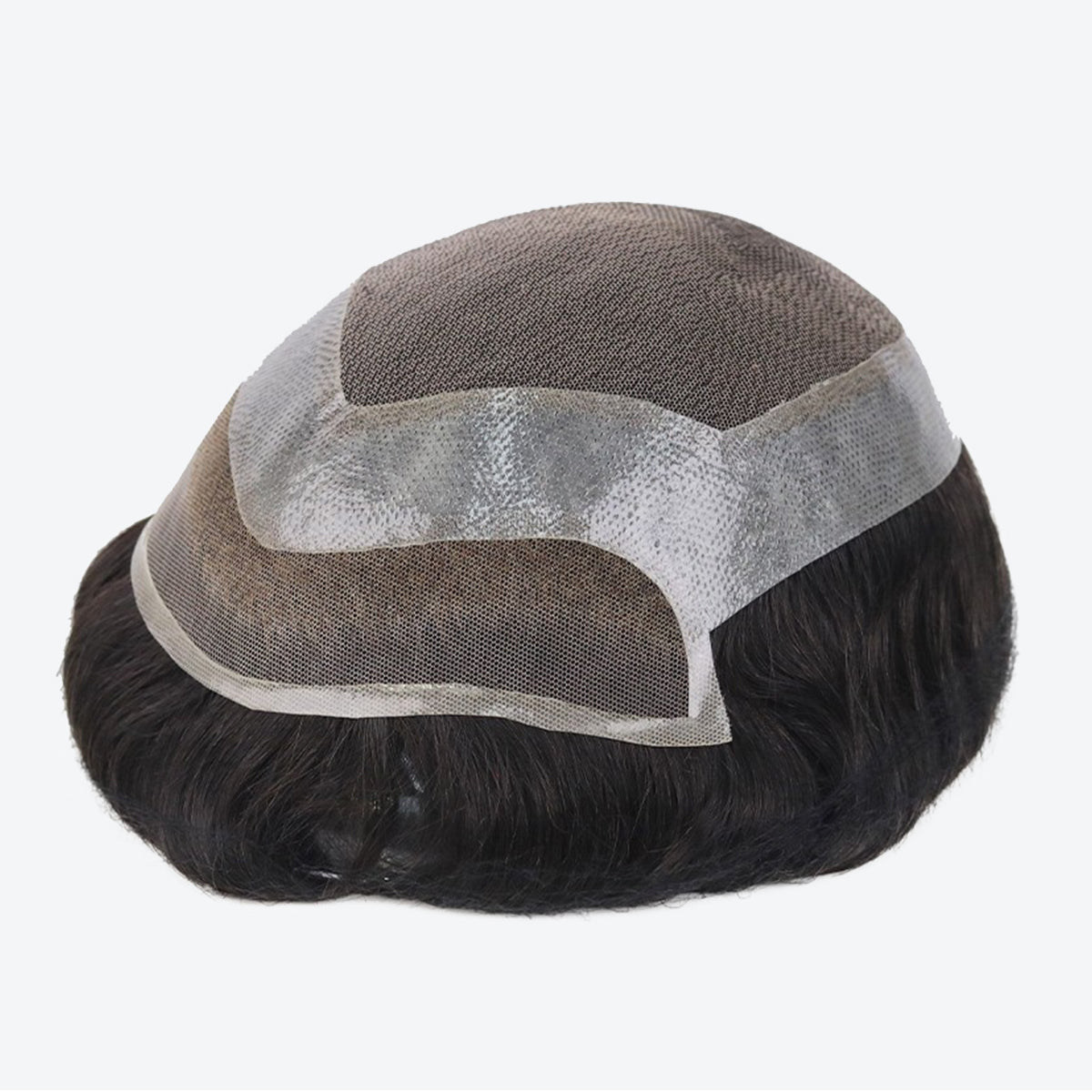

At LaVivid, “toupee” refers to a partial-coverage men's hair system. A standard, single, full-size stock unit currently costs $269 to $519 USD. Your total cost will be higher than the unit price once you include any cut-in or installation service, routine supplies, optional salon visits, and eventual replacement. The useful question is therefore not only “What does one unit cost?” but “What will my own routine cost over time?”
If the numbers feel harder to compare than expected, that is normal. In our experience, many first-time wearers need one real care cycle before they know which expenses belong in their routine. The central trade-off is usually realism, durability, convenience, and service time, not price alone. Take your time; there is no need to decide today.
Quick Answer
LaVivid's currently available standard, single, full-size partial-coverage hair systems are listed from $269 to $519 USD. That range excludes frontal and crown patches, multi-unit bundles, sale pricing, and custom specifications. Your first-year total is the unit price plus any cut-in or installation service, attachment and removal supplies, hair care, optional salon maintenance, shipping or tax, and replacement units. There is no honest universal annual figure because service rates, care habits, construction, and replacement timing vary. Start with one suitable stock unit, estimate one complete care cycle, then adjust your longer-term budget from your actual routine.
Quick Takeaways
- The current standard single-unit stock range is $269 to $519 USD; check the live collection before ordering.
- The product price is only one part of the first-year budget.
- Stock offers clearer upfront pricing; custom offers more control over specifications.
- Replacement timing depends on construction, handling, care, and personal routine.
- If you are not sure, begin with one suitable stock unit and learn from one full care cycle.
What should a partial-coverage hair system budget include?
Build your budget from the parts you can verify. A useful first-year formula is:
First-year budget = unit price + initial service + routine supplies + ongoing service + replacement units + shipping or tax
For later years, remove any one-time setup expense and use the same structure. Your own total may be lower if you handle more of the routine yourself, or higher if you prefer regular professional service.

| Cost item | When it applies | What to verify |
|---|---|---|
| Hair unit | Every purchase | Current price, size, color, construction, hair type, and included services |
| Initial cut-in or installation | First wear and possibly each new unit | Whether it is included, available locally, or priced separately |
| Routine supplies | Ongoing | What your chosen construction and routine actually require |
| Salon maintenance | Optional and recurring | Local rate and visit frequency |
| Replacement | When the unit no longer meets your needs | Your observed wear, not a universal calendar promise |
| Shipping and tax | Order-dependent | Checkout total for your location |
This framework is more dependable than multiplying one advertised lifespan by a unit price. Two people can buy the same unit and have different annual totals because they handle it differently, use different services, or choose a different point for replacement.
The live partial-coverage men's hair system collection is the parent page for these products and their current prices. Use this guide to set your budget, then use the collection to compare the actual options available when you are ready.
What changes the purchase price?
Five decisions usually matter most, in this order:
- Coverage and size. A frontal or crown patch is not the same product scope as a standard full-size unit, so its price should not be used as the baseline for a full unit.
- Stock or custom. A stock unit uses predefined specifications and a visible current price. Custom work adds control over measurements and design details, with pricing based on the requested specifications.
- Construction priorities. Finer construction may prioritize a light, realistic result, while sturdier construction may prioritize handling and service life. Neither path wins every trade-off.
- Hair and design details. Hair type, length, color work, density, curl, and other specifications can change the price or available choices.
- Preparation and service. A pre-cut style, cut-in, installation, or local salon appointment may sit outside the product price.
A higher purchase price does not automatically mean a lower cost over time. The better question is whether the unit matches your measurements, appearance priorities, handling comfort, and maintenance plan well enough to avoid an early replacement for the wrong reason.
How do stock and custom options compare?
| Route | Main advantage | Trade-off | May fit you when | May not fit you when |
|---|---|---|---|---|
| Stock | Visible price and a simpler starting point | Fewer specification choices | A standard size, available color, and existing construction suit your needs | Your measurements or design requirements fall outside the available choices |
| Custom | More control over size, color, density, direction, and other details | Price and timing depend on the specification | Fit and design control matter more than the fastest starting path | You still do not know which specifications you need or want the clearest upfront comparison |
If standard options do not match your measurements or design needs, review the custom hair system path. Custom is not automatically the right next step; it is useful when the extra specification control solves a real fit or appearance requirement.
How can you estimate your first-year and ongoing cost?
Use a blank worksheet instead of borrowing somebody else's annual number:
| Your budget line | Your estimate |
|---|---|
| First unit | ______ |
| Initial cut-in or installation | ______ |
| Routine supplies for one care cycle | ______ |
| Optional professional maintenance | ______ |
| Additional unit or replacement reserve | ______ |
| Shipping and tax | ______ |
| Estimated first-year total | ______ |
Then ask four practical questions:
- Will I handle routine care myself, use a professional, or combine both?
- Is my priority a lighter result, easier handling, longer service, or a balance?
- Do I want one unit first, or do I already have enough experience to plan a backup?
- Which costs are confirmed today, and which are only estimates?
Your first estimate does not need to be exact. Treat it as a working budget, record what you actually spend through one full care cycle, and update the replacement reserve from evidence rather than guesswork. That small habit gives you more control over the long term.
Which starting path may fit your budget?
Start with stock when: your measurements and color are available, you want a visible product price, and you are still learning which construction and routine suit you.
Consider custom when: a standard size or design does not fit, specific color or density work is important, or you already know the specifications you want.
Pause before choosing either when: you have not measured the coverage area, do not know your color match, or have not separated the product budget from service and care costs.
If you are not sure, the default starting path is simple: choose one stock unit that fits the essential measurements and color, plan one complete care cycle, and wait until you understand your routine before adding backups or extra services. A first-time choice can be adjusted; it does not have to define years of wear.
This is a personal routine, and you can compare options privately and at your own pace. If your question is broader than a partial-coverage unit, compare the wider men's hair system range instead. That page owns the broader category; this article stays focused on the partial-coverage systems commonly searched for as toupees.
How can you avoid spending more than you planned?
- Confirm the product scope. Do not compare the price of a patch, bundle, or custom order with a standard single full-size unit as though they are interchangeable.
- Buy for fit before extras. Correct measurements, color, and realistic routine requirements matter more than adding options you may not use.
- Separate known costs from estimates. The product and checkout total can be confirmed now; service frequency and replacement timing need observation.
- Do not build a budget around maximum lifespan. A lifespan label is a planning reference, not a promise for every wearer.
- Review after one care cycle. You may find that professional help is worth the time, or that a manageable part of the routine can stay at home.
The lowest upfront price is not always the lowest long-term cost, and the highest price is not automatically better value. A steady fit between the unit and your real routine is what makes the budget more predictable over time.
FAQ
How much does a toupee cost at LaVivid?
Available standard, single, full-size partial-coverage hair systems are currently listed from $269 to $519 USD. This excludes frontal and crown patches, multi-unit bundles, sale pricing, custom specifications, services, shipping, and tax. Check the live collection before ordering because prices and availability can change.
Is a stock toupee less expensive than a custom one?
Stock usually gives you a visible upfront price because its specifications are predefined. Custom pricing depends on the size, hair, color, density, direction, and other details requested. Compare them by fit and required specifications, not by price alone.
What ongoing costs should I include?
Include routine attachment and removal supplies, hair care, optional professional maintenance, eventual replacement units, and any shipping or tax. The amount depends on your chosen unit, local service rates, and how you manage the routine.
How often will I need to replace a toupee?
There is no single replacement schedule for every wearer. Construction, handling, activity, care, and your appearance standard all matter. Use the product's expected-lifespan guidance as a planning reference, then base future purchases on the condition you actually observe.
Is home maintenance always less expensive than salon maintenance?
Home maintenance can reduce service fees, but it also requires time, supplies, and a routine you can perform comfortably. Professional service costs more but may be useful for cut-in, installation, or support while you learn. Many wearers combine both approaches.
Compare current options when you are ready
You now have the two numbers that matter: the current product range and your own total-cost formula. There is no need to rush the next step.


