

Why Does Your Hair System Feel Dry in Winter?
Dry indoor air, styling heat, and winter hats can change how your human hair system feels. Find out what to check before changing your routine.

Quick Answer
Why can winter air leave your hair system feeling drier?
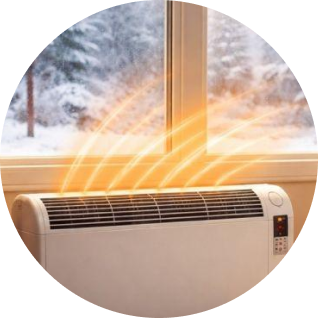
Notice when the change appears: roughness after time in heated rooms is a reason to review your indoor environment alongside your care routine. Cold-season dryness can affect the hair even when you've spent little time outdoors.
Human hair systems do not have a continuing supply of scalp oils along their strands. Conditioning therefore needs deliberate attention. Dry outdoor conditions and indoor heating can make the absence of that natural oil supply more noticeable, leaving the hair feeling less soft or harder to manage.
The weather is part of the explanation, rather than a diagnosis of your particular system. Recent changes in how you dry, style, or condition the hair also deserve attention. A useful starting point is to compare your current habits with the routine you used when the hair felt more manageable.
What should you check in your current routine?
If you're unsure where to begin, start with your recent blow-drying and conditioning habits. We recommend looking for a specific change before adding more products.
- Repeated heat styling: Have you started using a hotter dryer setting or touching up your style more often? Excessive heat can leave human hair feeling dry and brittle. Avoid unnecessary heat, and use a suitable heat-protection product when heat styling is part of your system's care routine.
- Conditioning on the lengths: Have you skipped conditioning after washing? Use a conditioner suitable for your human hair system, keeping it away from the base and bonding area. A suitable leave-in product can help with between-wash manageability.
- Cleaning for the right reason: Are you washing more often simply because the hair feels rough? Base cleaning needs on your lifestyle and product buildup rather than the season alone. Roughness is a reason to review conditioning and handling, as well as cleaning.
For options to consider after identifying the gap in your routine, browse LaVivid's hair system care products. Choose products for your system and the care step you need, rather than treating every dry-feeling strand as a reason to add another treatment.
Can a winter hat make the problem worse?
Yes. A tight hat or rough fabric can create friction and tangles, so check the fit and contact points if the hair becomes harder to comb after wearing one. Tangling after a hat comes off deserves a handling check as well as a dryness check.

A hat can protect your hairstyle from wind, but a tight or rough one can also increase friction. Choose a comfortable fit that doesn't press tightly against the hairline, and put it on and remove it gently. When detangling, work gently from the ends upward instead of pulling through resistance.
If tangling is more noticeable after sleep, review overnight friction too; the seasonal guide includes a silk sleep-cap suggestion. Looking at when the problem occurs helps you address the relevant habit without changing the whole routine.
Does winter dryness mean you need a new hair system?
Dryness alone is not enough to decide that a system needs replacing. Review the environmental, heat, conditioning, and friction factors above before making that decision.
If matting, breakage, or difficult tangling persists despite appropriate care, ask a hair-system stylist to assess the hair and base. Adding conditioner cannot establish whether an individual system has damage that needs professional attention. Scalp irritation or a lifting bond also needs separate attention; those concerns shouldn't be treated as a hair-moisture problem.
Where can you find a complete seasonal care routine?
Use LaVivid's fall and winter hair system care guide for the broader routine once you've identified the concern you want to address. It brings together washing and drying advice, conditioning reminders, care essentials, videos, and answers about static, hats, and wet weather.
This article helps explain dry-feeling hair and where to begin checking your habits. The seasonal guide connects those checks with the rest of your cold-weather care.
Give your winter routine a clearer starting point
Begin with the change you've noticed, then use the seasonal guide to review the relevant care step. The aim is to keep your existing routine useful as conditions change.


