


Why a Hair System Shifts: Check Fit, Size, Placement, and Attachment

Quick Answer
Quick Takeaways
Why Does My Hair System Keep Shifting?
Start with one question: what exactly moves? That answer will help you narrow down the cause instead of changing several things at once.

Hair System Shifting: A Quick Decision Guide
| What's moving? | What to check | What to do |
|---|---|---|
| The entire system | Size, overall fit, and attachment | Recheck measurements, base dimensions, and attachment. |
| One edge or section | Local fit and attachment | Check whether the base sits flat, then review attachment instructions. |
| The base doesn't follow your scalp | Base contour | Have the base shape and scalp contour assessed. |
| The system sits in the wrong position | Placement | Check alignment before attaching it again. |
Can the Wrong Hair System Size Cause It to Move?
If your whole hair system moves, include the overall fit in your checks rather than assuming the size is wrong.
A system that’s too large may have extra material around the edges or uneven contact with your scalp. Too small? The base may feel stretched and won’t sit naturally. Either way, the fit can affect how stable it feels.
Start by comparing the base dimensions with your measured coverage area. Then check the perimeter. Look for excess material, tension, or areas that don’t make proper contact with your scalp.
If the size seems wrong, don’t try to hold the system in place with more adhesive. Recheck your measurements and ask a fitting specialist whether you need a different base size.
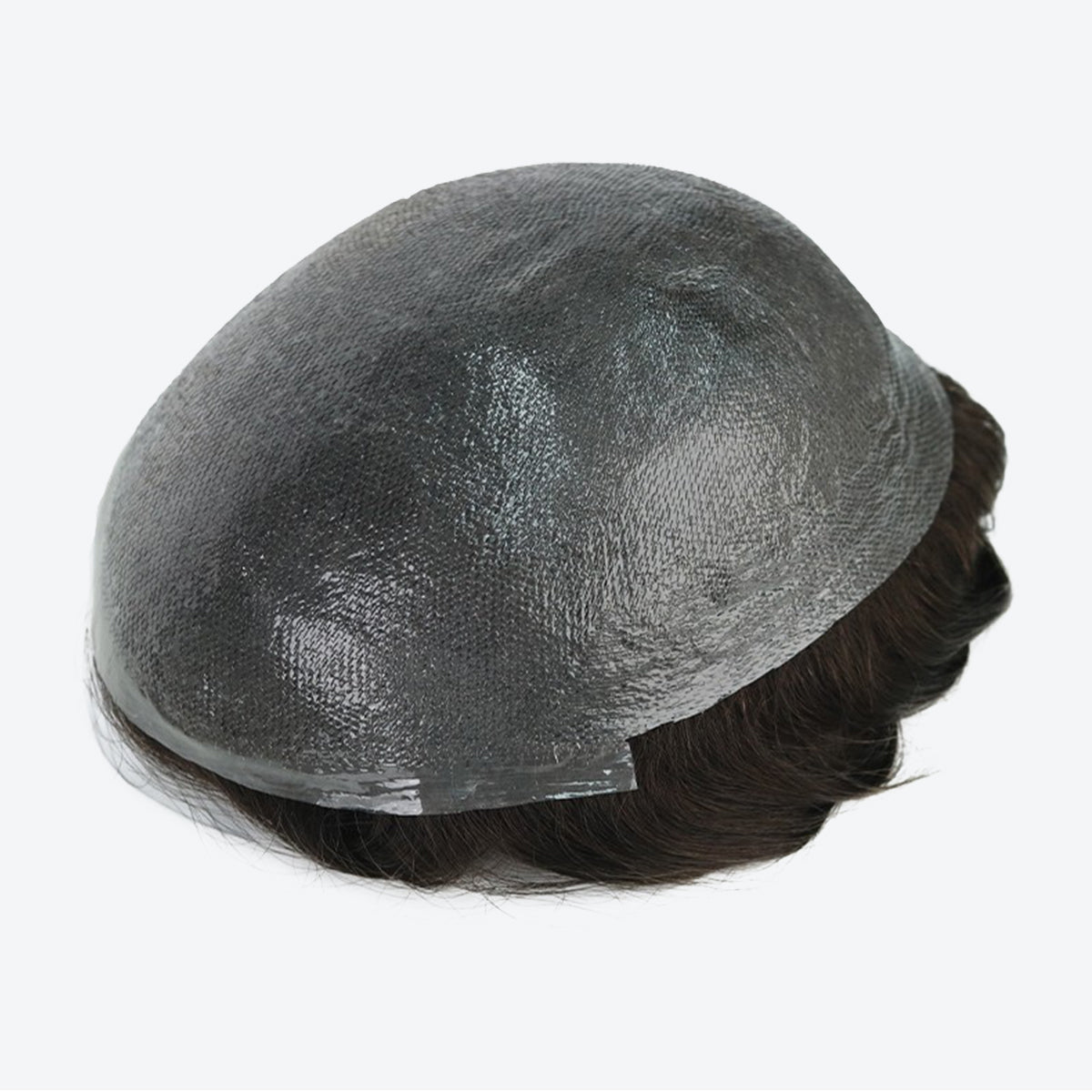
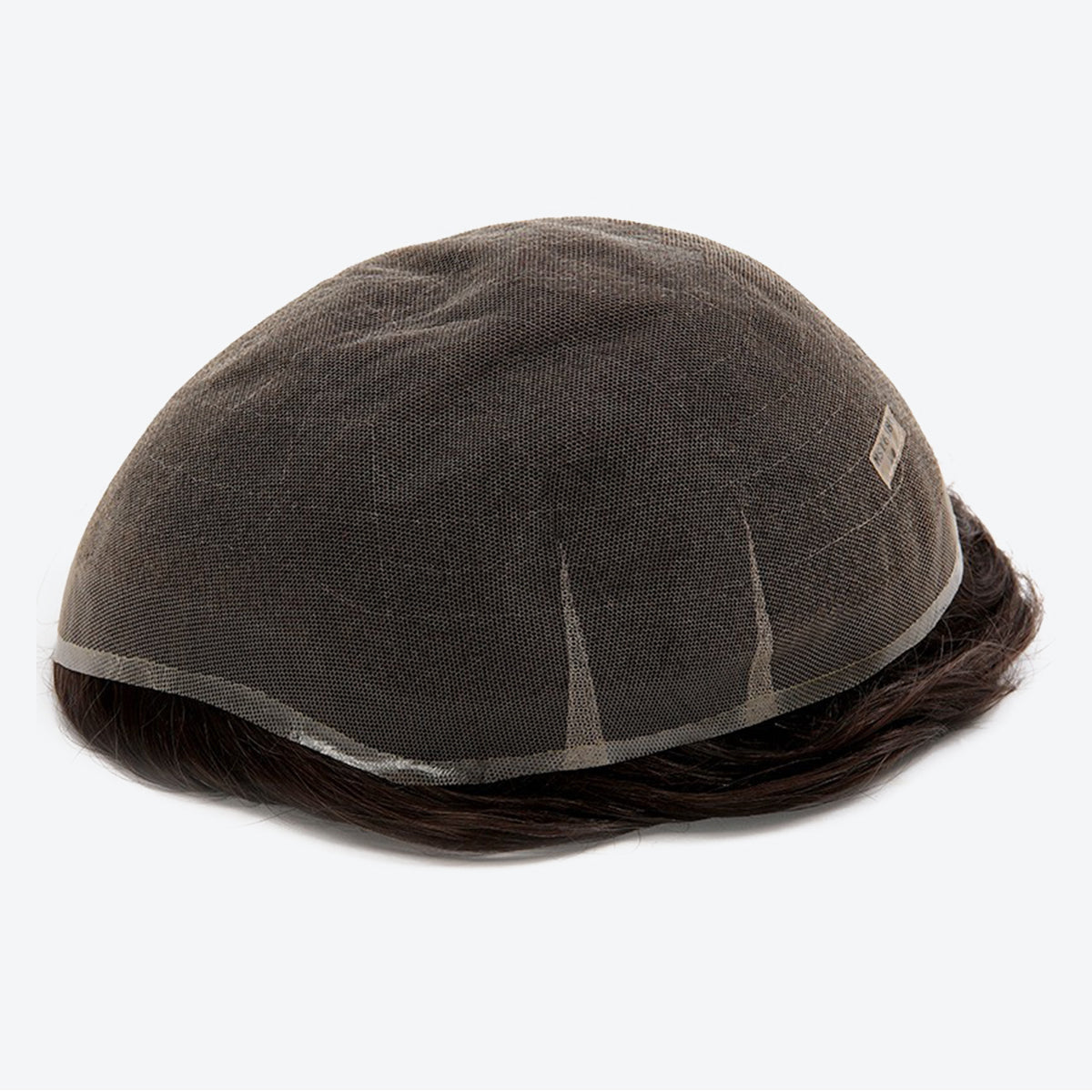
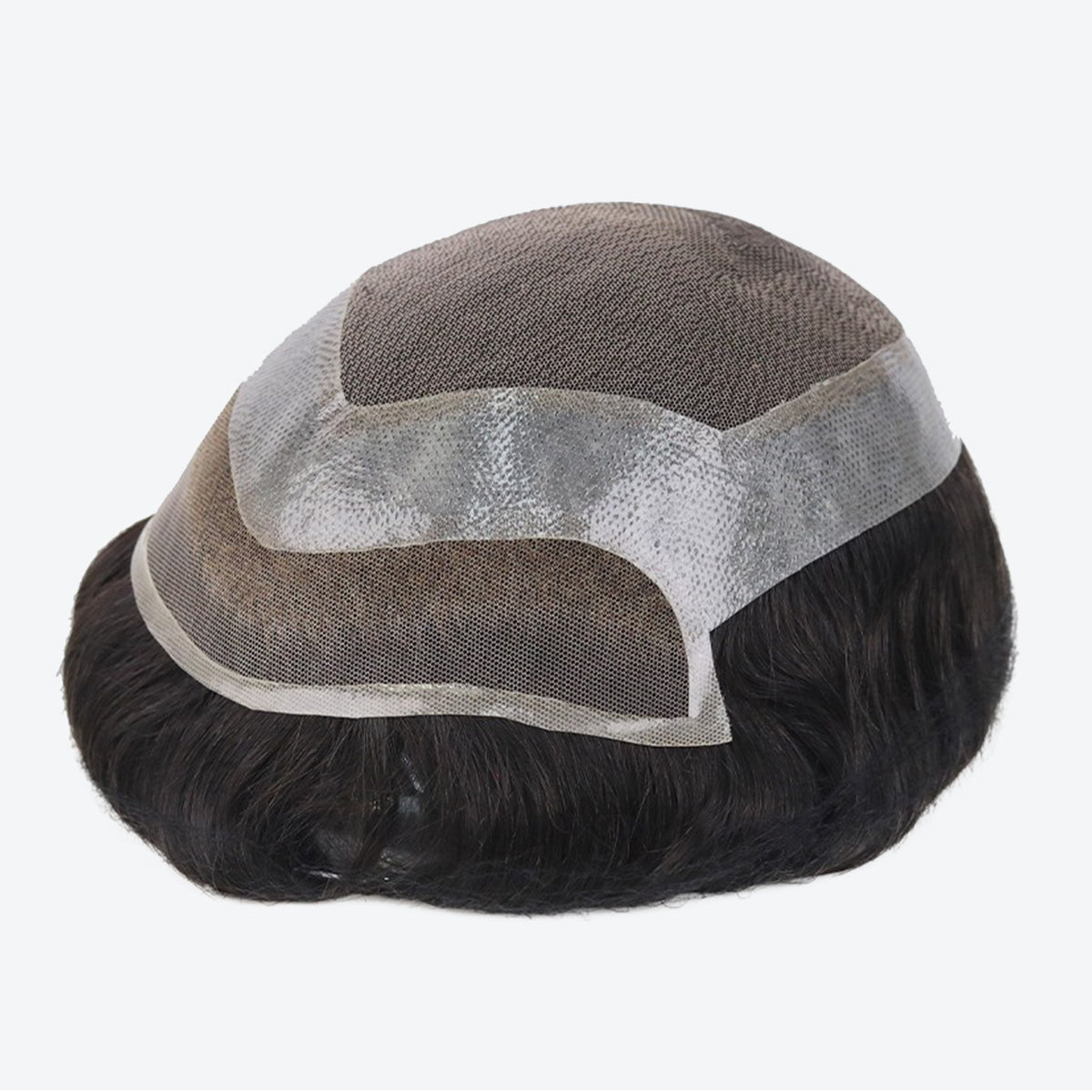
You can also explore different hair system base designs to compare their flexibility and scalp contact.
Can a Poor Base Fit Cause a Hair System to Move?
Sometimes the problem isn’t the size. It’s the shape.
A hair system base should follow the natural contour of your scalp. If it doesn’t, you may notice gaps, folded material, or areas that lift because the base isn’t resting flat.
Take a look at the system before applying adhesive. Does the base sit naturally against your scalp, or do you have to pull it into position? Are certain areas constantly separating even when the rest of the base looks fine?
If you notice these problems, have the base contour checked. Adding more adhesive won’t make an unsuitable shape fit better.
Can Incorrect Hair System Placement Cause Shifting?
Even with the right size and base shape, a hair system can move if it’s placed incorrectly.
Think about where the front, sides, and back of the base sit. If the system is too far forward, too far back, or off-center, check its alignment before attributing movement to the adhesive.
Before attaching it, check three reference points:
If the system looks uneven before attachment, adjust its position first. Follow your fitting instructions rather than pulling the base into place. If you can’t get it aligned consistently, recheck your measurements or ask a professional to help with the placement.
- Front: Does the hairline sit where it should naturally be?
- Center: Is the system aligned with the middle of your scalp?
- Back and sides: Does the base cover the intended area without being stretched?
Could the Attachment Method Be Causing Your Hair System to Move?
Review the attachment alongside size, contour, and placement. If your base is lace, use compatible tape on lace areas; do not apply liquid glue directly to the mesh. If your base is skin or poly, use compatible liquid glue rather than tape as the starting method. For a hybrid, use tape on lace zones and compatible liquid glue on supported skin or poly zones. A hybrid is not the default first-wear routine. Make sure the attachment area is clean, dry, and free of old adhesive residue.
If only one section moves, check whether the base sits flat and review the attachment in that area. Don’t switch to stronger adhesive without checking the fit first.
If you experience burning, pain, persistent itching, redness, or broken skin, stop using the product. Seek qualified help for a significant or persistent skin reaction.

Before trying a new adhesive, have its matching remover ready and complete the product’s patch test before a separate full-wear session.
Depending on your base and attachment routine, you can also explore tapes, adhesives, and other attachment supplies.

When Should You See a Specialist About a Moving Hair System?
You’ve checked the size, base shape, placement, and attachment, but your hair system still moves. That’s a good time to get a professional opinion.
A fitting specialist can help you check:
It’s better to identify the actual cause than keep switching tapes, adhesives, or application techniques. A fitting issue and an attachment issue need different solutions.
- Whether the base dimensions match your coverage area.
- Whether the base contour follows your scalp.
- Whether the front hairline and overall placement are correct.
- Whether your attachment method is suitable for the base.
- Whether skin discomfort means attachment should be paused while you seek appropriately qualified help.
Explore LaVivid’s Beginner Hub for helpful guidance.
Check the Fit Before Changing Your Attachment Method
If your hair system keeps shifting, don’t assume you need stronger adhesive. Start by checking what moves, then look at the size, base contour, and placement. Review the attachment method alongside those fit checks.
Explore LaVivid’s Beginner Hub for helpful guidance. If you’re still unsure why your hair system moves, contact the LaVivid team for a consultation.


