

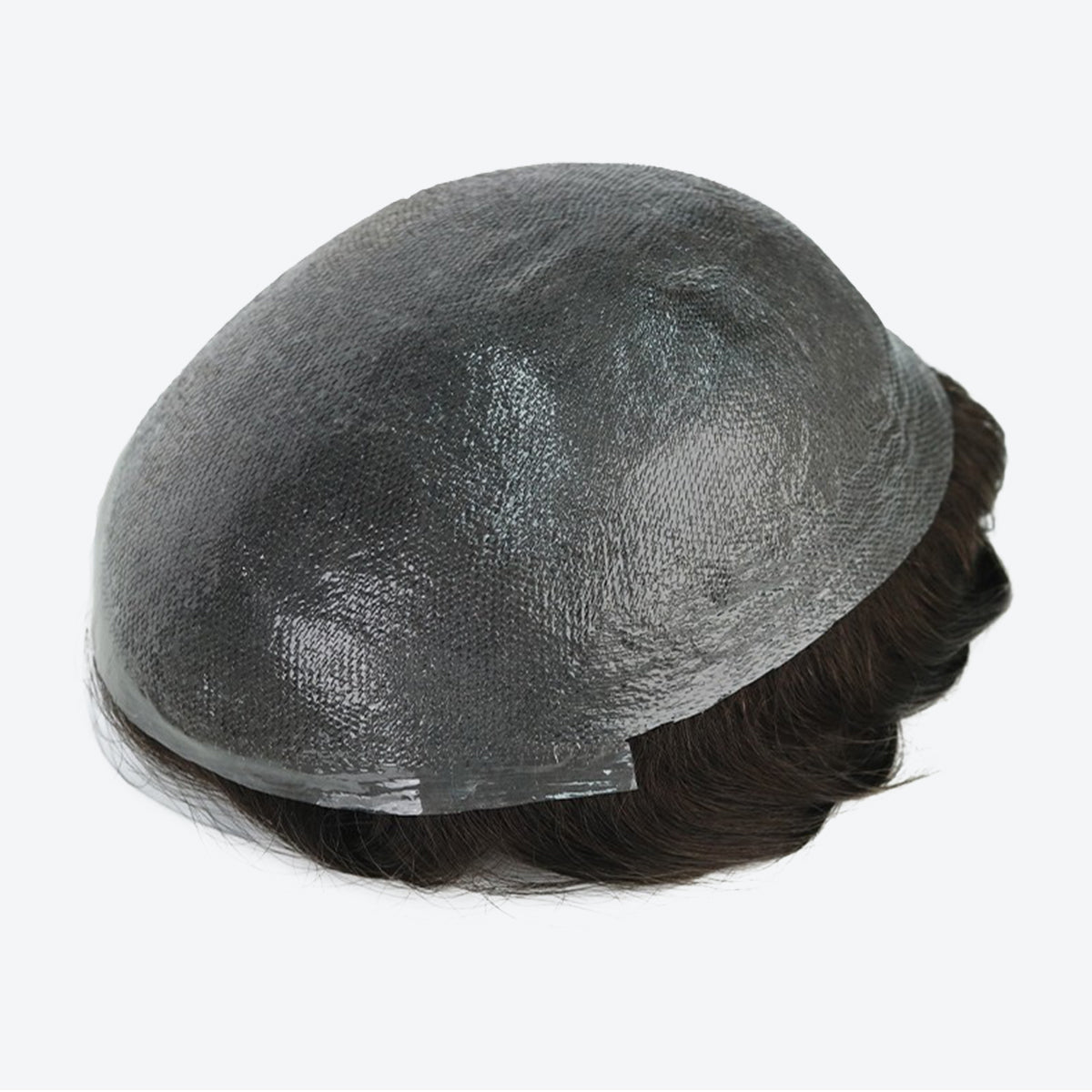
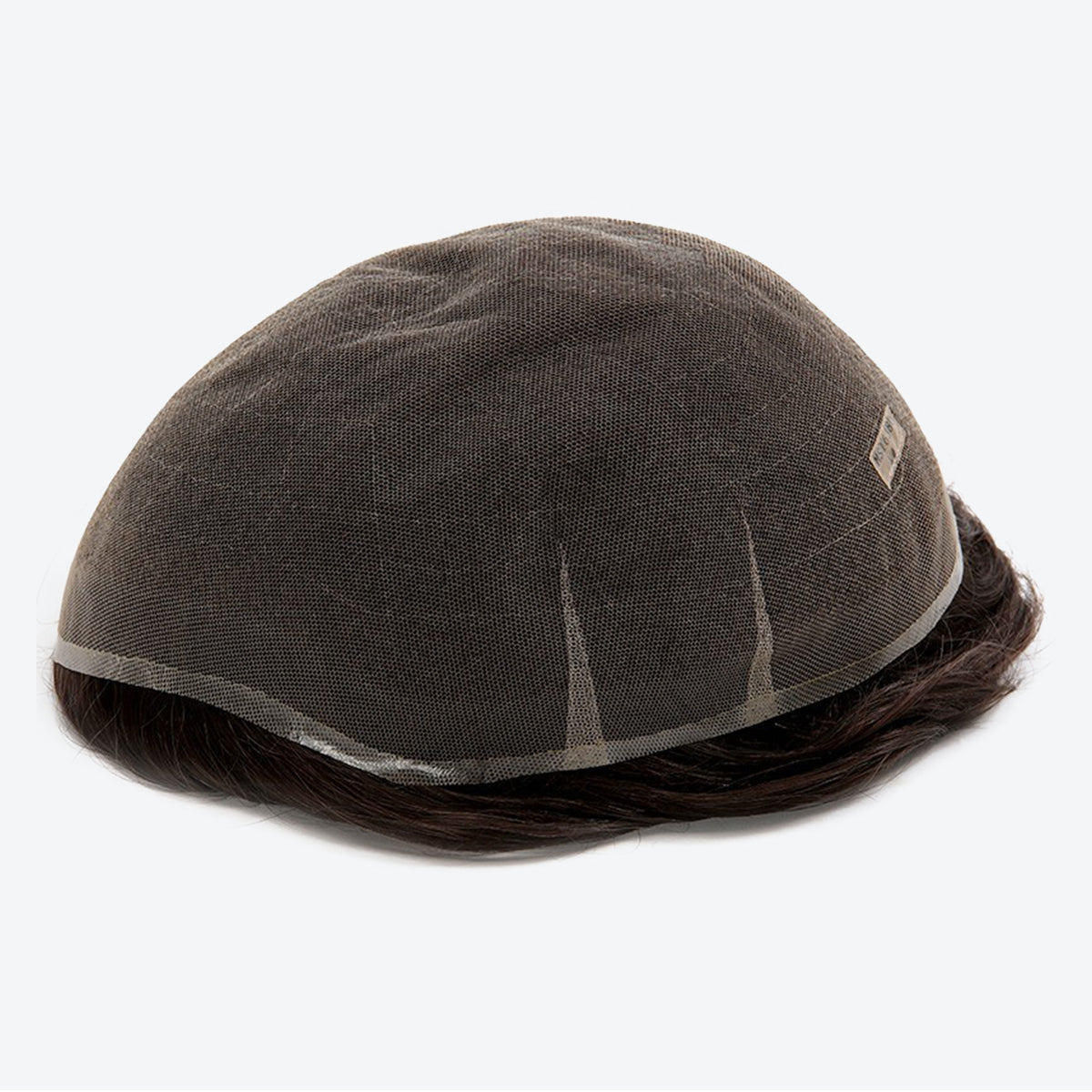
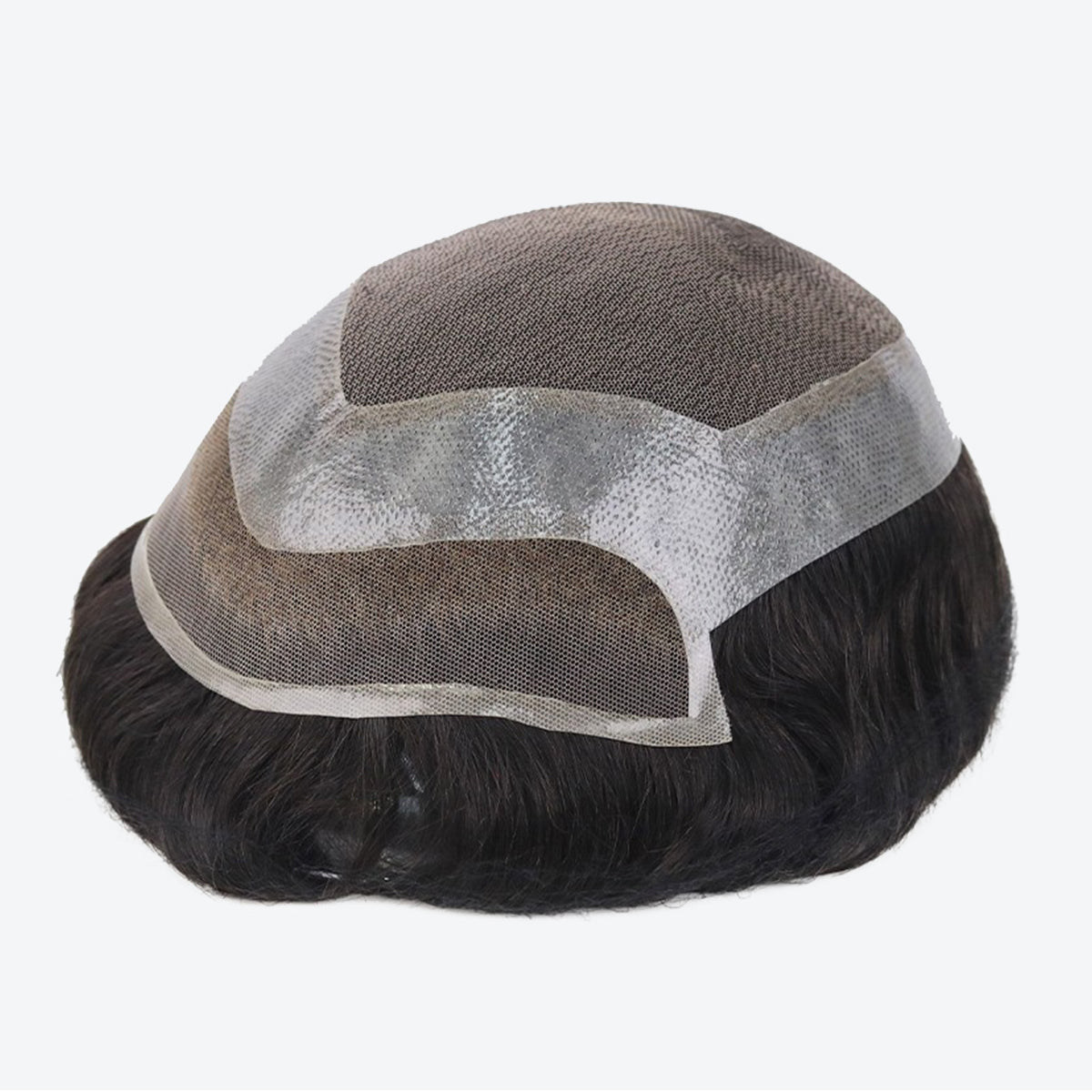

Getting the perfect color for your hair system is one of the most important decisions you can make ,whether you are new to hair replacement or exploring upgrading to a higher‑end unit. A well‑matched color not only enhances your appearance but also helps your hair system blend seamlessly with your natural hair, creating a more natural and confident look overall.
In this guide, we’ll walk through practical strategies, expert tips, and common pitfalls to help you consciously choose the right shade for your hair systems
Why Hair Color Matters So Much
Choosing the right hair color goes beyond just aesthetics , it defines how realistic your hair system looks. A mismatched shade can create a stark contrast between your unit and your natural hair, making the unit noticeable even from a distance.
Getting a close match ensures:
- a smooth transition between natural hair and hair system
- reduced visibility of the edges or hairline
-
a more natural and life‑like result that integrates well with your personal style
Step 1: Understand Your Natural Hair Color
Before choosing a hair system color, you have to determine your baseline hair shade accurately.
Here’s how:
- Check in natural light: Indoor lighting and screens distort color ,natural daylight gives you the most accurate representation.
- Look at multiple areas: Hair at the crown, temple, and front may vary slightly in tone.
- Identify undertones: Hair can have warm, cool, or neutral undertones that affect how it looks against your skin.
Understanding these subtleties will make matching easier and more effective.
Step 2: Methods to Match Hair Color
There are three primary strategies you can use to choose the right color for your hair system:
1. Send a Hair Sample (Most Accurate Method)
If you want the most precise match, the best approach is to send in a sample of your own hair.
How it works:
- Collect 100–200 strands from various parts of your head (front, crown, sides, and back).
- Make sure the hair is clean and dry so true color shows through.
- Label the samples clearly and send them to the hair system provider.
Pros:
· Our customer service team will match your color against a professional chart
· You get a customized match tailored to your unique hair color
Cons:
- It takes time and waiting for the color match can delay ordering.
Despite that, this method usually gives the most accurate results, especially for custom units.
2. Use a Color Ring or Hair Chart
A hair system color chart is an excellent tool if you want a quicker solution without sending hair samples.
Most color rings include dozens of labeled shades that represent common natural colors.

How to use it:
- Go outside or stand near a window in daylight.
- Compare several adjacent shades against your natural hair.
- Narrow down to the best match and take note of the corresponding number.
LaVivid even offer return‑credit options when you buy a color ring, making it a cost‑effective route.
3. Use High‑Quality Photos for Color Evaluation
If neither hair samples nor a color ring is available, you can send well‑lit photos to professionals for evaluation.
Tips:
- Take pictures in natural daylight
- Capture multiple angles
- Avoid filters and shadows
While photos are less accurate than a physical sample, experienced technicians can still provide a solid recommendation based on visual analysis.
Step 3: Account for Gray and Highlights
As hair color changes with age or style, you may need to consider mixed shades.
For example:
- Hair with 50% gray often requires special blending to look natural
- Some systems mix synthetic gray with human hair to mirror natural aging
Understanding the percentage of gray and undertones will improve how your hairsystem for men fits into your overall look.
Step 4: Don’t Rely on Screens Alone
One of the biggest mistakes is choosing a color by looking at photos online. Computer displays vary greatly and often misrepresent true hair color.
Always confirm colors with a physical sample, color ring, or professional evaluation — not just a photo.
Tips for a Seamless Match
Here are a few practical recommendations:
- Test colors in multiple lighting conditions (sunlight, fluorescent, LED)
- Choose a shade slightly darker if you’re uncertain — it’s easier to lighten a unit than darken it
- Consider your skin tone and age — what works at 25 may differ at 45
Final Thoughts
Choosing the right hair color for your hair system is part science, part art. Whether you rely on a professionally matched sample, a detailed color chart, or photo analysis, investing time into this step makes your hair system look more authentic and elevates your confidence.
With careful evaluation, the right tools, and a bit of patience, you can achieve a natural, harmonious look that suits both your hair and personal style.


