

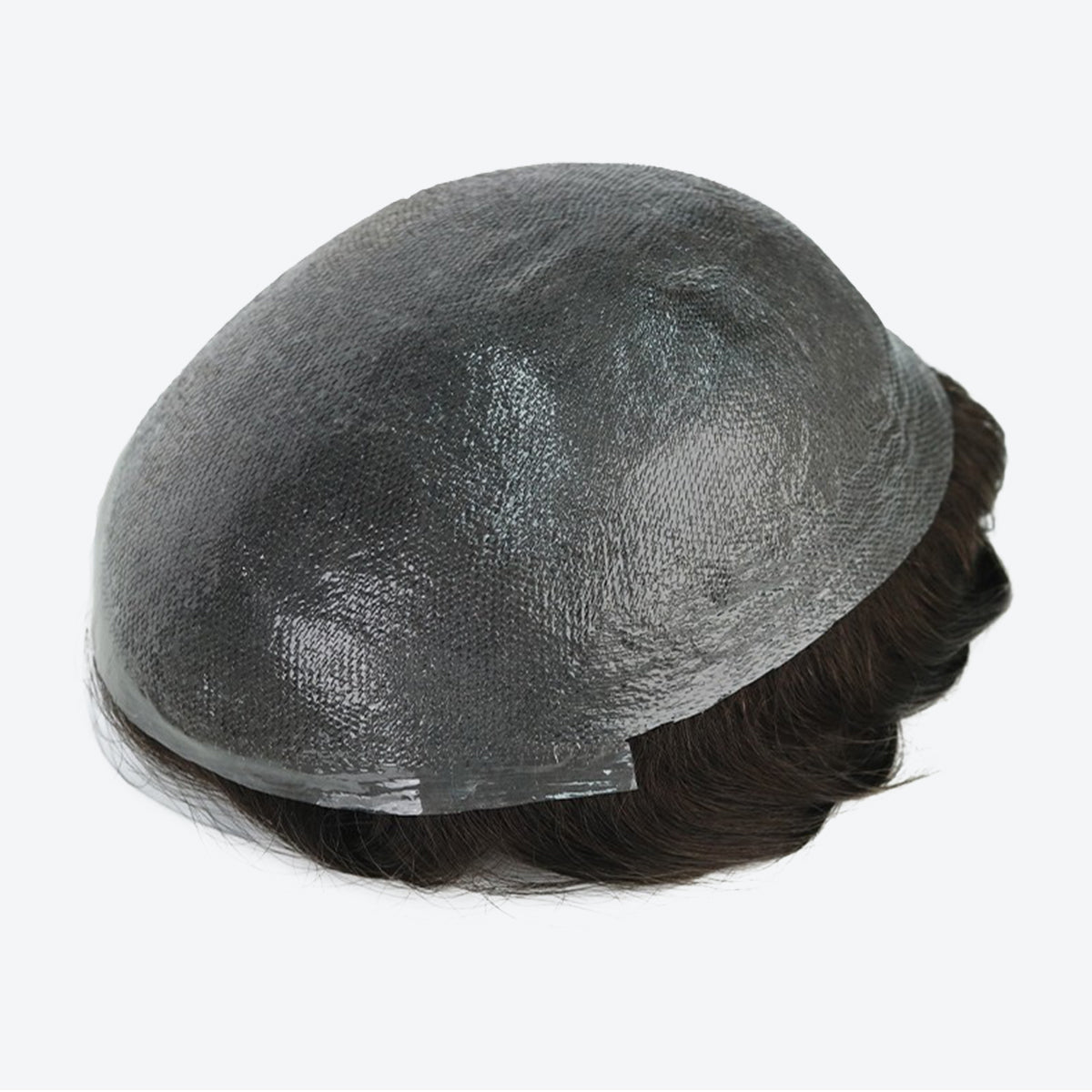
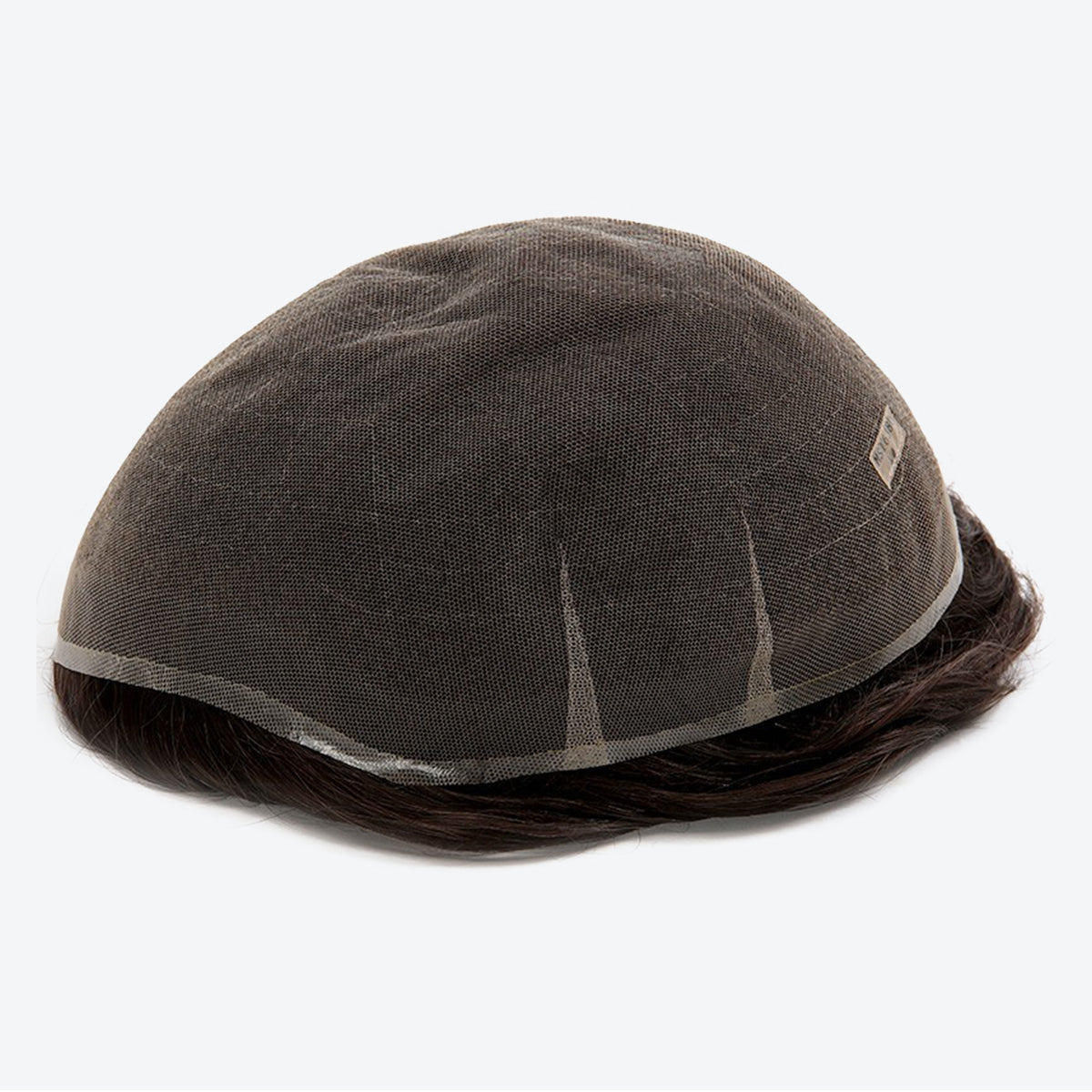
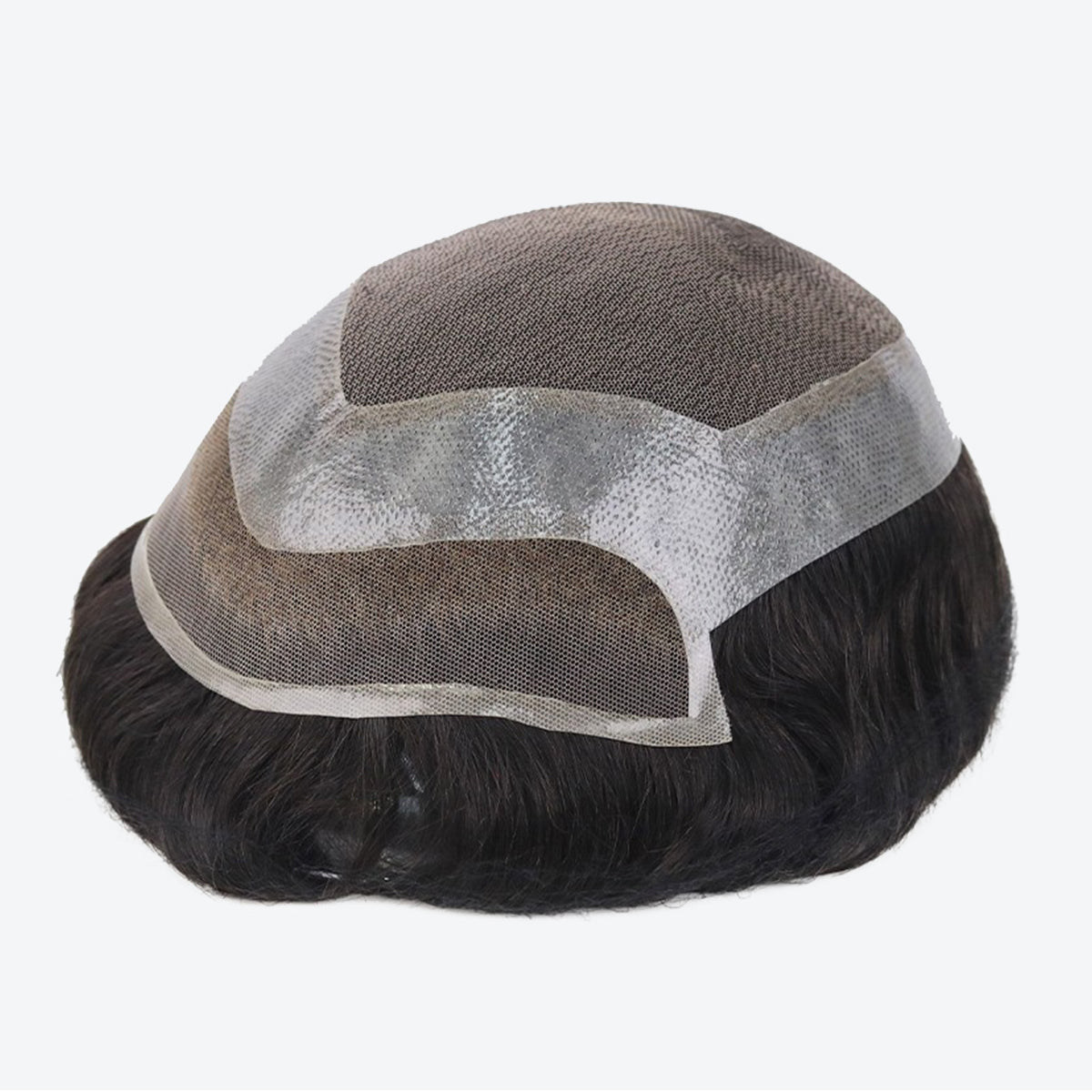


Ultra thin skin hair systems are popular for their undetectable hairline and natural appearance. However, their ultra-thin base also makes them more fragile compared to other types of hair systems.
Many users experience issues such as tearing, shedding, or reduced lifespan. In most cases, this is not due to product quality, but rather improper maintenance and handling.
In this guide, you’ll discover 7 essential care tips to prevent damage and extend the lifespan of your ultra thin skin hair system.
Why Ultra Thin Skin Hair Systems Are More Prone to Damage
Ultra thin skin hair systems are typically made with a polyurethane (PU) base as thin as 0.02–0.03 mm.
This ultra-thin material creates:
- A seamless, invisible hairline
- A realistic scalp appearance
- A lightweight, comfortable feel
However, the same thinness also means:
- Less structural strength compared to thicker bases
- Higher sensitivity to pulling force
- Greater impact from adhesive buildup and removal
In simple terms: the more natural it looks, the more carefully it needs to be handled
What Actually Shortens the Lifespan?
Instead of just listing tips, it’s important to understand the main causes of damage:
- Mechanical stress (pulling, frequent removal)
- Adhesive breakdown and residue buildup
- Oil and sweat interfering with bonding
- Heat weakening both adhesive and base material
Once you understand these factors, the care routine becomes much more logical.
7 Care Tips to Prevent Damage & Extend Lifespan
1.Start with a Clean, Oil-Free Scalp
Before applying your hair systems for men, your scalp must be completely clean and free of oil. Oil, sweat, or product residue can weaken adhesive performance and cause early lifting.
Best practice:
- Use a clarifying shampoo
- Avoid conditioner near the roots
- Dry your scalp thoroughly before application
2.Choose Liquid Adhesive for a More Flexible Bond
For ultra thin skin bases, liquid adhesive is usually the better choice. It creates a smoother, more invisible bond and reduces the risk of edge lifting.
Why avoid thick tape:
- Can create bulk under the base
- May be harder to remove
- Increases risk of tearing
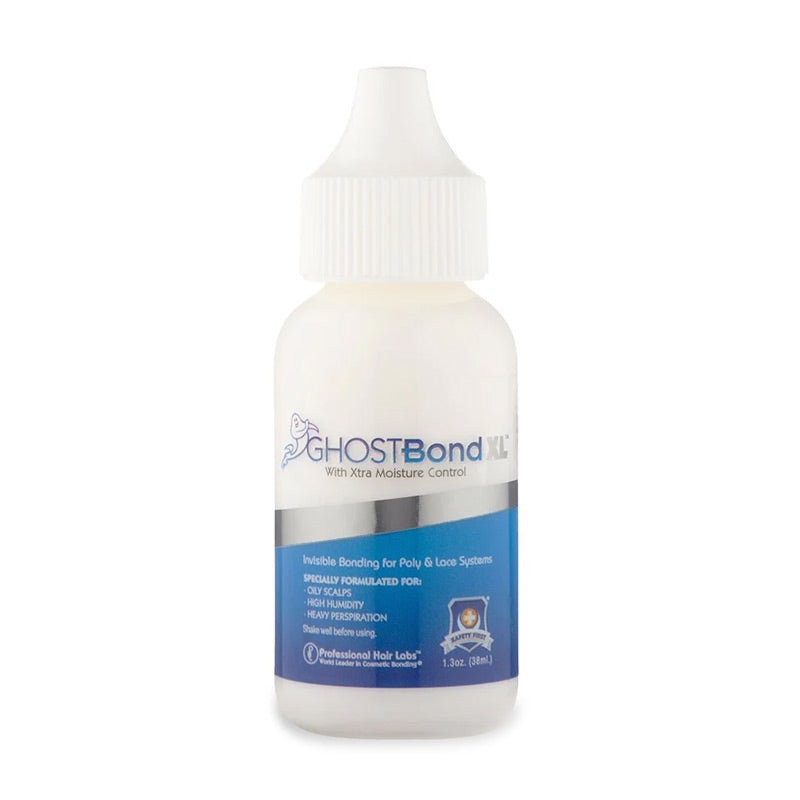
Ghost Bond Glue
3.Avoid Frequent Removal
Each removal puts mechanical stress on the ultra-thin base.
Frequent removal can lead to:
- Micro-tears that worsen over time
- Increased adhesive buildup
- Shortened overall lifespan
For most users, a 1–2 week wear cycle is more suitable.
4.Manage Sweat and Oil Buildup
Sweat and sebum gradually weaken adhesive strength.
This is especially important if you:
- Exercise frequently
- Live in hot or humid climates
- Have naturally oily skin
To improve performance:
- Use a scalp protector to create a barrier
- Avoid heavy sweating immediately after installation
- Touch up adhesive when needed
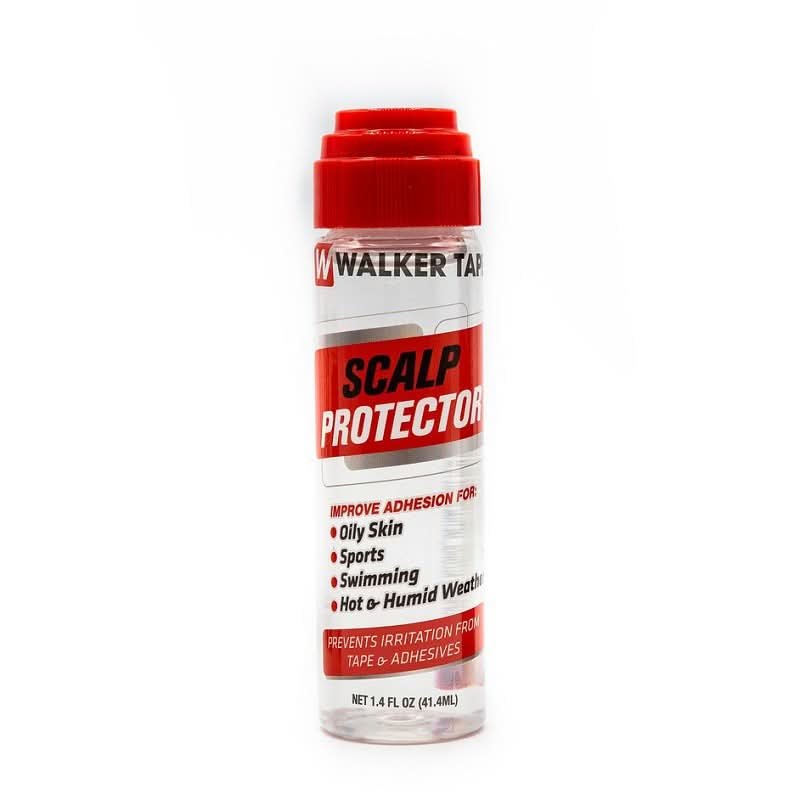
Scalp Protector 1.4 oz | Must Have for Oily Sweaty Skin or Humid Climate
This solution actually comes from long-time Reddit user recommendations.
5.Clean Gently with Proper Remover
Cleaning your hair system the wrong way can easily cause damage.
Correct method:
- Apply adhesive remover and allow time for breakdown
- Gently wipe residue instead of forcing it off
Avoid:
- Scraping with fingernails
- Rushing through cleaning
- Using harsh tools
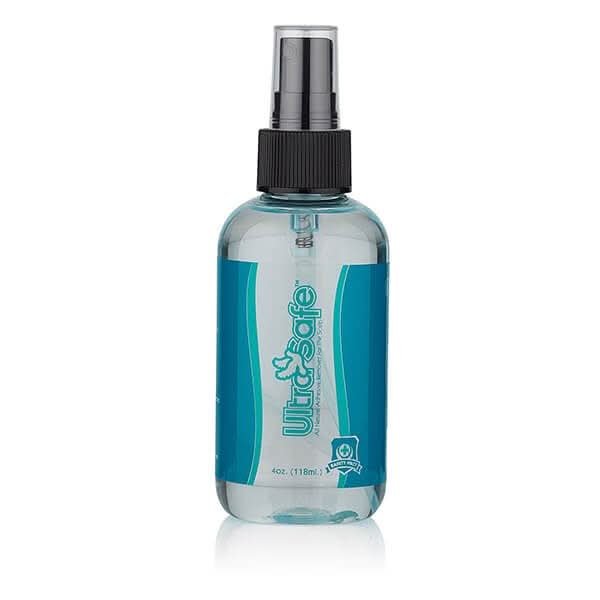
Ultra Safe Adhesive Remover for Skin Use
6.Never Pull It Off Forcefully
This is one of the most common and damaging mistakes—whether you’re removing your system after wearing it, or handling it for the very first time.
Pulling off your hair system without properly loosening the adhesive—or removing it too quickly from the factory mold—can create sudden tension on the ultra-thin base.
This can lead to:
- Immediate tearing
- Permanent base damage
- Stretching or distortion
- Shortened lifespan
Safe removal and handling process:
- If worn, apply adhesive remover along the edges
- Allow enough time for the glue to fully break down
- Slowly peel back the system with minimal force
- When removing a new unit from the mold, start from one edge and support the base with your fingers
- Avoid pulling from the center or removing it in one quick motion
Patience at every stage, including first-time handling and regular removal, can significantly reduce damage and help your system last longer.
7.Avoid Heat, Steam, and Harsh Conditions
High temperatures can weaken adhesives and affect the integrity of the base.
Try to limit exposure to:
- Saunas
- Steam rooms
- Prolonged sun exposure
How Long Does an Ultra Thin Skin Hair System Last?
On average, an ultra thin skin hair system lasts between 1 to 2 months.
However, the actual lifespan depends on several factors:
- Your lifestyle (active vs low activity)
- Oil and sweat levels
- Maintenance habits
- Frequency of removal
Shorter lifespan is not a defect—it’s simply the trade-off for achieving the most natural appearance.
Common Mistakes That Shorten Hair System Lifespan
Even experienced users can fall into these traps:
- Removing the system without adhesive remover
- Scratching glue off the base
- Over-washing or using harsh products
- Choosing the wrong adhesive
Avoiding these mistakes alone can significantly extend how long your system lasts.
Is an Ultra Thin Skin Hair System Right for You?
Ideal if you:
- Want the most natural hairline
- Are comfortable with maintenance
- Have some experience
Less ideal if you:
- Prefer low maintenance
- Want longer-lasting systems
Final Thoughts
An ultra thin skin hair system offers unmatched realism, but it requires the right care to perform at its best. By following these 7 tips, you can prevent unnecessary damage, improve adhesive performance, and significantly extend the lifespan of your system.
Think of it this way: the better you treat your hair system, the better it will look and the longer it will last.

