


Hair loss is a common concern for many men, affecting confidence and daily appearance. If you’re exploring solutions, you’ve likely come across two popular options: hair transplants and toupees (also known as hair systems).
Both can help restore a fuller look—but they work in completely different ways.
If you’re deciding between a surgical procedure and a non-surgical option, the right choice depends on your budget, lifestyle, timeline, and long-term goals. Let’s break it down.
Key Takeaways
- Hair transplants are surgical, while toupees or hair systems are non-surgical hair loss solutions.
- Hair transplants take months to show results, but hair systems provide an instant fuller look.
- Hair transplants usually have a higher upfront cost, while hair systems are more affordable to start but require ongoing maintenance.
- Both options can look natural when done correctly, depending on the surgeon‘s skill or proper color, density, and base matching.
- Hair systems are often easier for beginners because they are flexible, reversible, and require no surgery.
- The best choice depends on your budget, lifestyle, hair loss stage, and comfort with surgery or maintenance.
What Is a Hair Transplant?
How Does a Hair Transplant Work?
A hair transplant is a surgical procedure where hair follicles are moved from one part of your body (usually the back or sides of the scalp) to the areas where hair is thinning or missing. The two most common methods are Follicular Unit Extraction (FUE) and Follicular Unit Transplantation (FUT).
-
FUE (Follicular Unit Extraction)
Individual hair follicles are removed from the donor area and transplanted into the thinning spots. -
FUT (Follicular Unit Transplantation)
A strip of scalp is removed and dissected into individual follicular units, which are then transplanted into the target area.
Benefits of Hair Transplants
- Long-term hair restoration without regular replacement
- Uses your own natural hair follicles
- No adhesives or reattachment required
- Low maintenance after recovery
Considerations of Hair Transplants
- Requires surgery and recovery time
- Results can take several months to appear
- Cost can range from $3,000 to $15,000+
- Results depend on donor hair quality and the surgeon‘s skill
What Is a Toupee or Hair System?
How Does a Toupee Work?
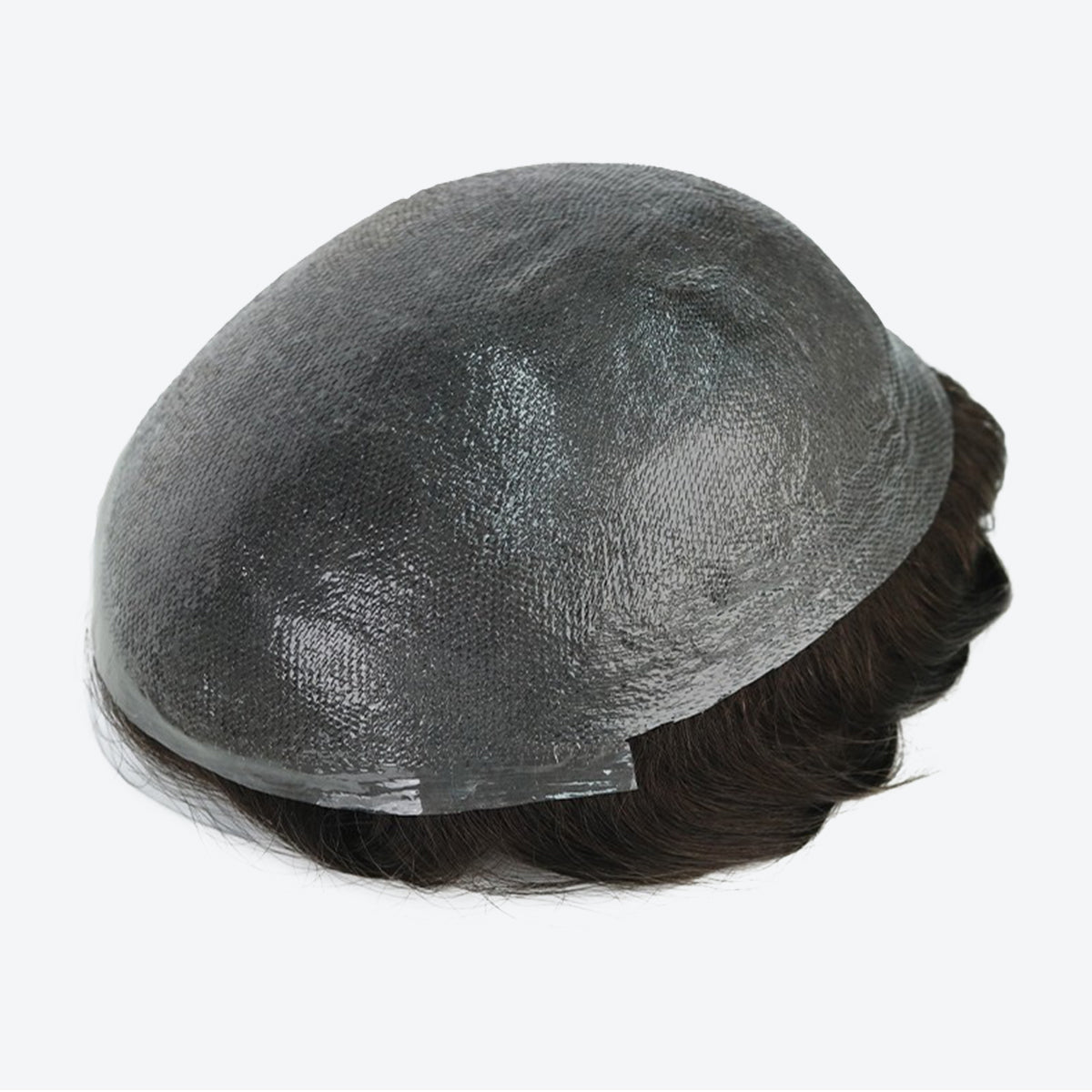
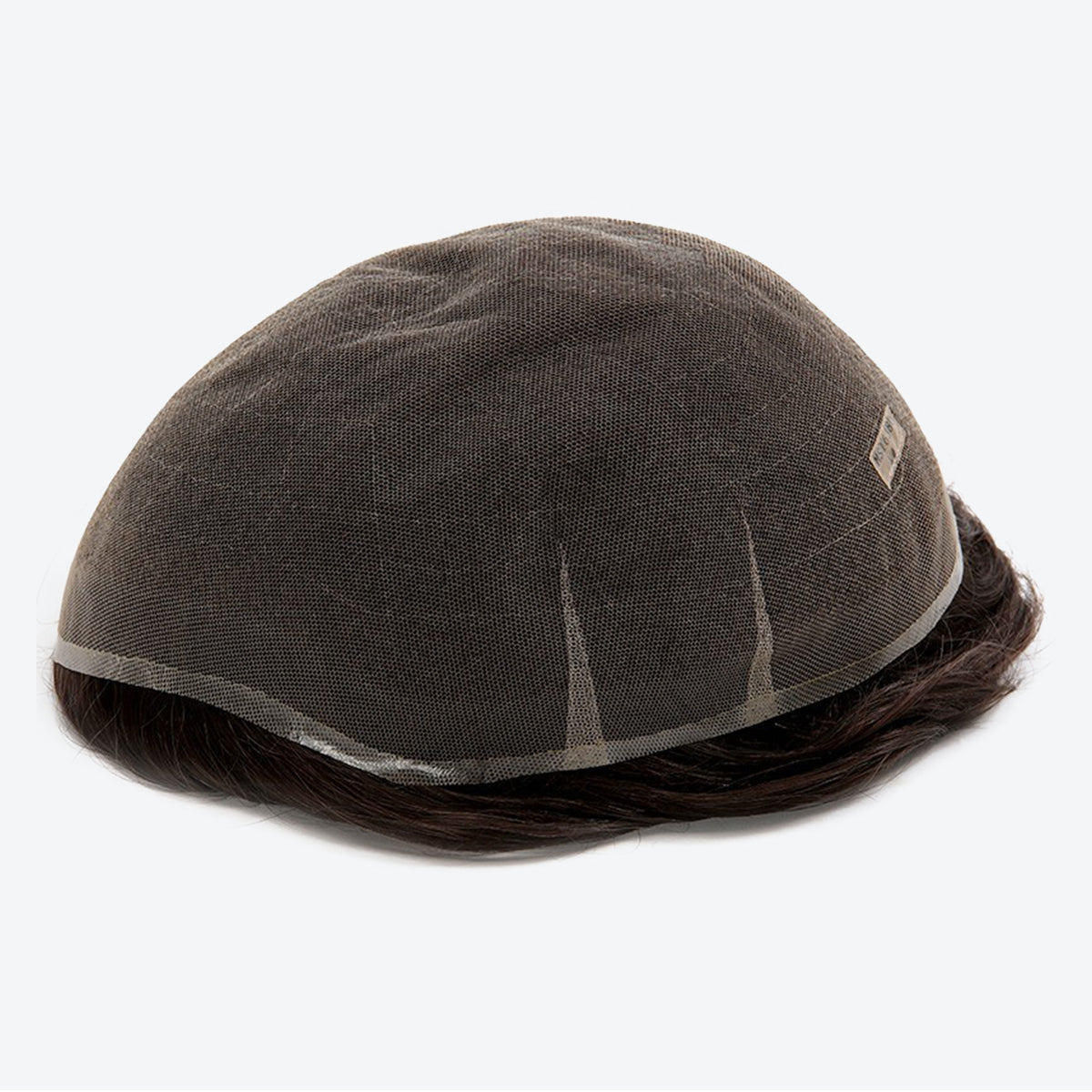
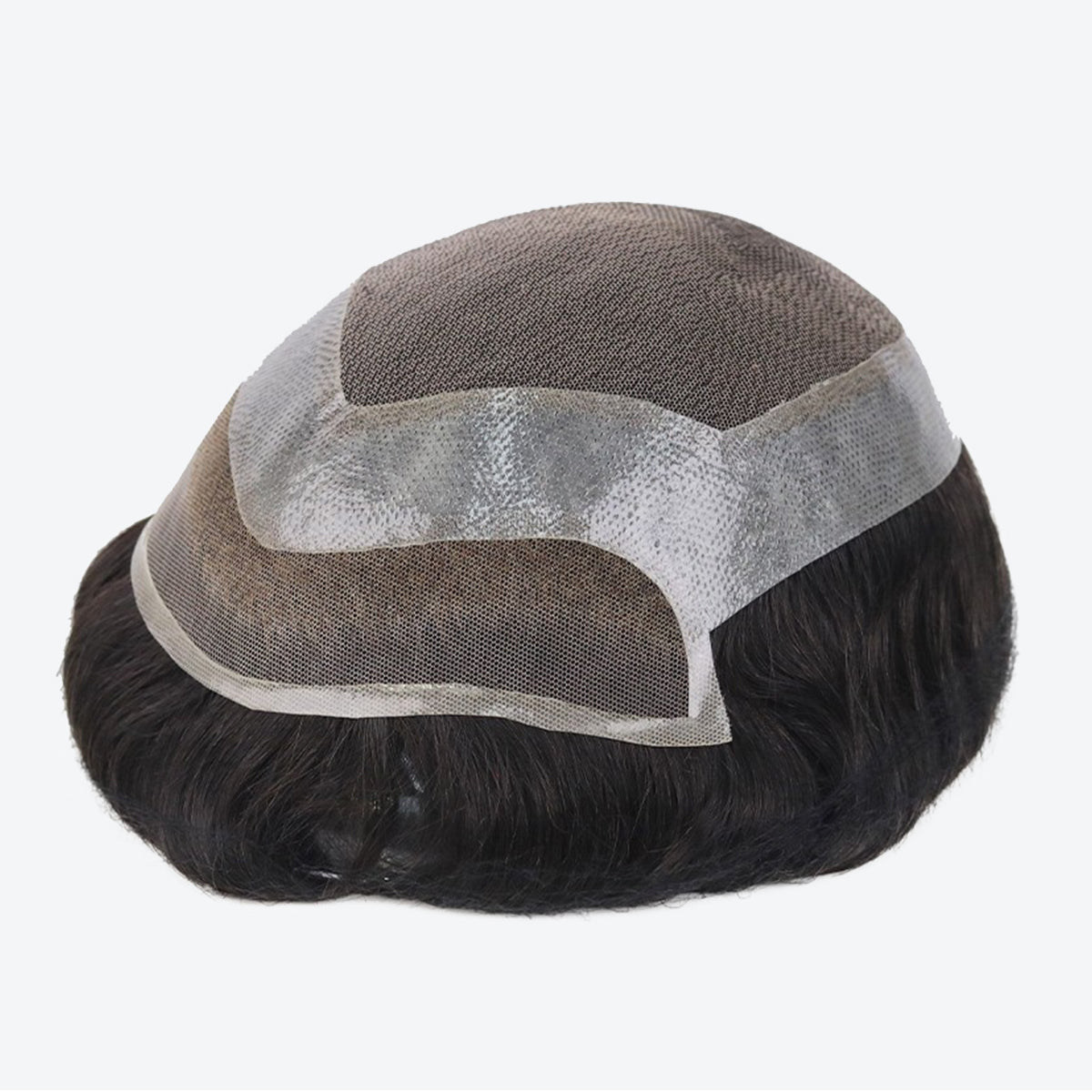
A toupee, or hair system, is a non-surgical solution to hair loss. Made of either synthetic or human hair, it’s designed to cover bald spots or thinning areas of the scalp. Modern toupees can be custom-made to match your natural hair color and texture, making them more realistic than ever.
Benefits of Toupees
- Instantly covers bald spots or thinning areas
- No surgery required, so there is no recovery time
- Offers flexible styling options
- Allows you to change your look easily
- Can be customized by color, density, base type, and hairstyle
Costs of Toupees
- Lower upfront cost than a hair transplant
- Requires ongoing budget for maintenance and replacement
- Typically lasts a few months to a year, depending on quality and care
- Long-term costs can add up over time
- Still often more affordable to start than surgical hair restoration
Hair Transplants vs. Toupees: A Side-by-Side Comparison
| Factor | Hair Transplants | Toupees / Hair Systems | Better For |
|---|---|---|---|
| Cost | Higher upfront cost, but no regular replacement needed after the procedure | Lower initial cost, but requires ongoing maintenance and replacement | Hair systems for lower starting cost; transplants for long-term investment |
| Natural Look | Can look very natural when performed by an experienced surgeon | Can look natural when custom-made and properly fitted, but may be noticeable if poorly matched or maintained | Both, depending on execution and personal needs |
| Maintenance and Care | Requires post-surgery care, but minimal maintenance after recovery | Requires regular cleaning, reattachment, hygiene care, and occasional replacement | Transplants for low maintenance; hair systems for flexible styling |
| Health Risks and Side Effects | Surgical risks may include infection, scarring, nerve damage, and recovery time | Minimal medical risk, but poor fit or hygiene may cause scalp irritation or discomfort | Hair systems for non-surgical users; transplants for those comfortable with surgery |
Real-Life Story: Why Jake Chose a Hair System Over Pills and a Hair Transplant
Jake explored several options for his hair loss before choosing a hair system.
First, he tried hair loss medication. In his personal experience, he noticed unwanted side effects after using finasteride, so he decided it wasn’t the right option for him.
He also considered a hair transplant, but the cost, recovery time, and long waiting period made him hesitate. Since his hair loss was already advanced, he would have needed a large number of grafts, and the final result still depended on donor hair quality and long-term maintenance.
That’s why Jake chose a hair system. It gave him an immediate fuller look without surgery, recovery time, or a major upfront investment. He could choose the style he wanted, walk out with visible results, and maintain the system with a regular care routine.
For Jake, a hair system offered the best balance of instant results, flexibility, and confidence.
Who Should Choose a Hair Transplant?
A hair transplant may be suitable if you:
- Have stable donor hair
- Want a long-term surgical solution
- Are comfortable with recovery time
- Have the budget for the procedure
- Don’t need immediate results
Who Should Choose a Toupee or Hair System?
A hair system may be a better choice if you:
- Want instant visible results
- Prefer to avoid surgery
- Want flexibility in style or look
- Have a limited budget
- Want to try a solution before committing long-term
If this sounds like you, your next step is learning how to choose the right system:
Beginner’s Guide to Hair Systems: Everything You Need to Know
Take 1 Minute to Find Your Perfect Fit
Finding your perfect fit takes just 4 easy questions. Take our 1-minute match quiz to discover which hair system may work best for you.
Can You Try a Hair System Before a Hair Transplant?
Yes—and many men do.
A hair system allows you to:
- See how you look with fuller hair instantly
- Test different hairstyles and densities
- Avoid surgery while exploring your options
For many beginners, it’s the lowest-risk way to start.
Which Option Is Right for You? Quick Decision Guide
- Choose a hair transplant if you want a long-term surgical option and have enough donor hair.
- Choose a hair transplant if you are comfortable with recovery time, higher upfront cost, and waiting months for results.
- Choose a toupee or hair system if you want instant, visible results without surgery.
- Choose a hair system if you want more flexibility in style, color, density, or hairline design.
- Choose a hair system if you want to test a fuller look before making a long-term commitment.
For beginners who want a lower-commitment, non-surgical way to restore a fuller look, a hair system is often the easier first step.
Conclusion
There’s no one-size-fits-all answer. Whether you choose a hair transplant or a toupee, the key is to select a solution that fits your lifestyle and gives you the confidence to feel good about your appearance. It’s always a good idea to consult with a professional to help guide your decision-making process.
LaVivid Hair offers beginner-friendly hair systems designed for natural-looking results, comfort, and everyday wear. If you’re leaning toward a non-surgical solution, start with our free beginner’s guide to learn how to choose the right hair system for your needs.
FAQ: Hair Transplants vs. Hair Systems
Is a hair system better than a hair transplant?
It depends on your goals. Hair systems are better for flexibility and immediate results, while transplants are a long-term surgical option.
Do hair systems look as natural as hair transplants?
Yes, when properly matched in color, density, and base type, hair systems can look very natural.
Is a hair transplant permanent?
Hair transplants are considered a long-term solution, but results can vary depending on hair loss progression and individual factors.
Can I switch from a hair system to a hair transplant later?
Yes. Many people start with a hair system and later decide whether a transplant is right for them.
Which option is better for beginners?
For most beginners, a hair system is easier to start with because it requires no surgery and provides immediate results.


