

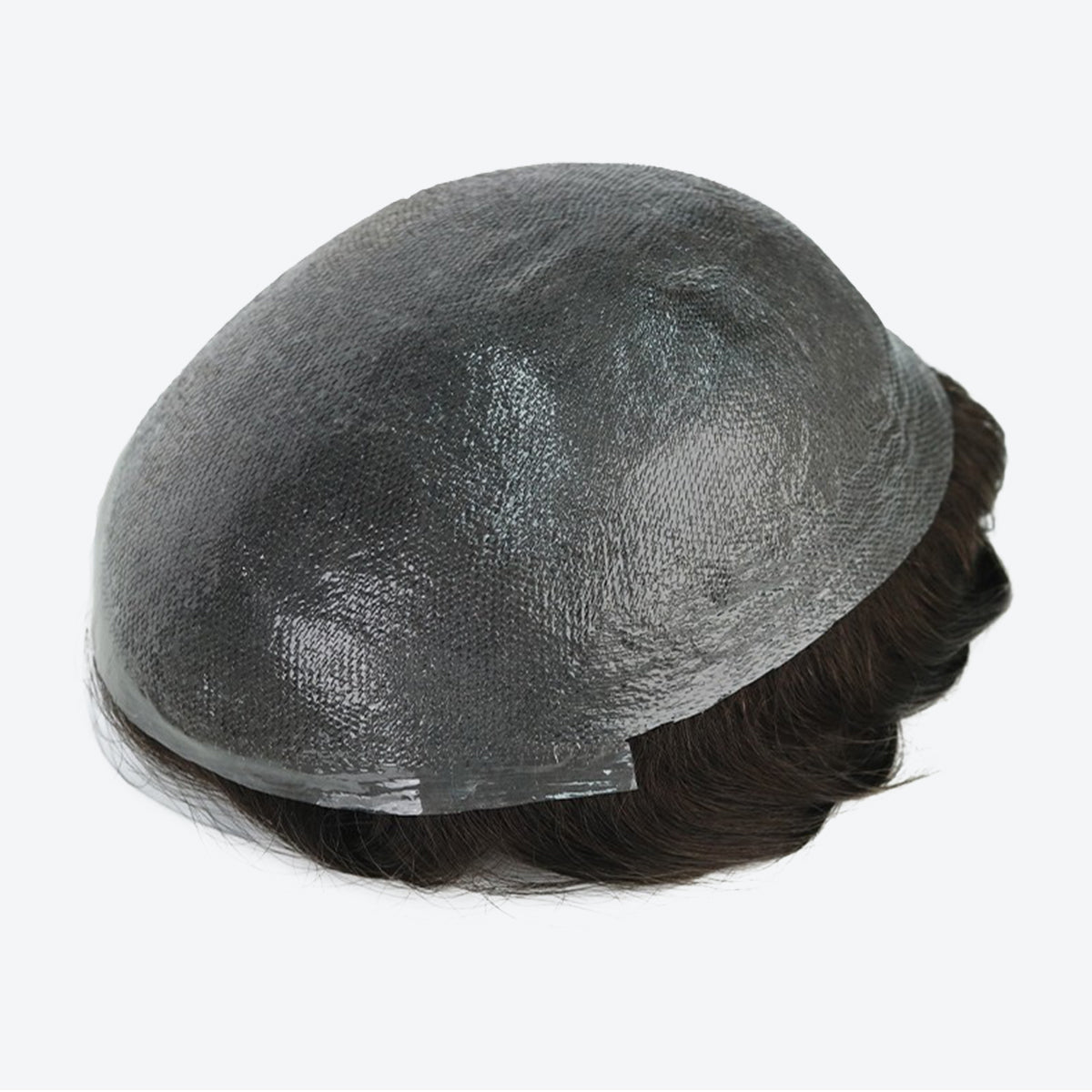
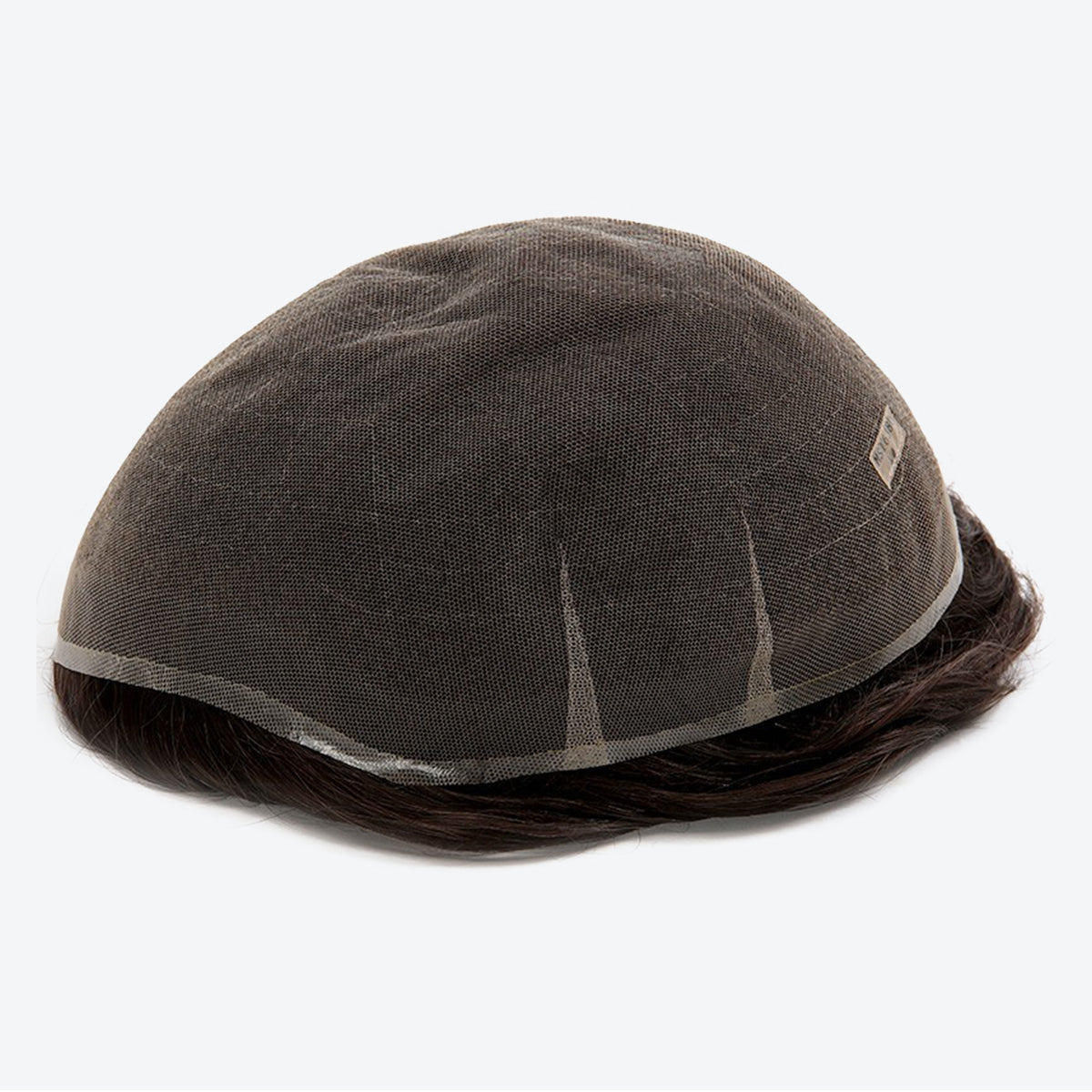
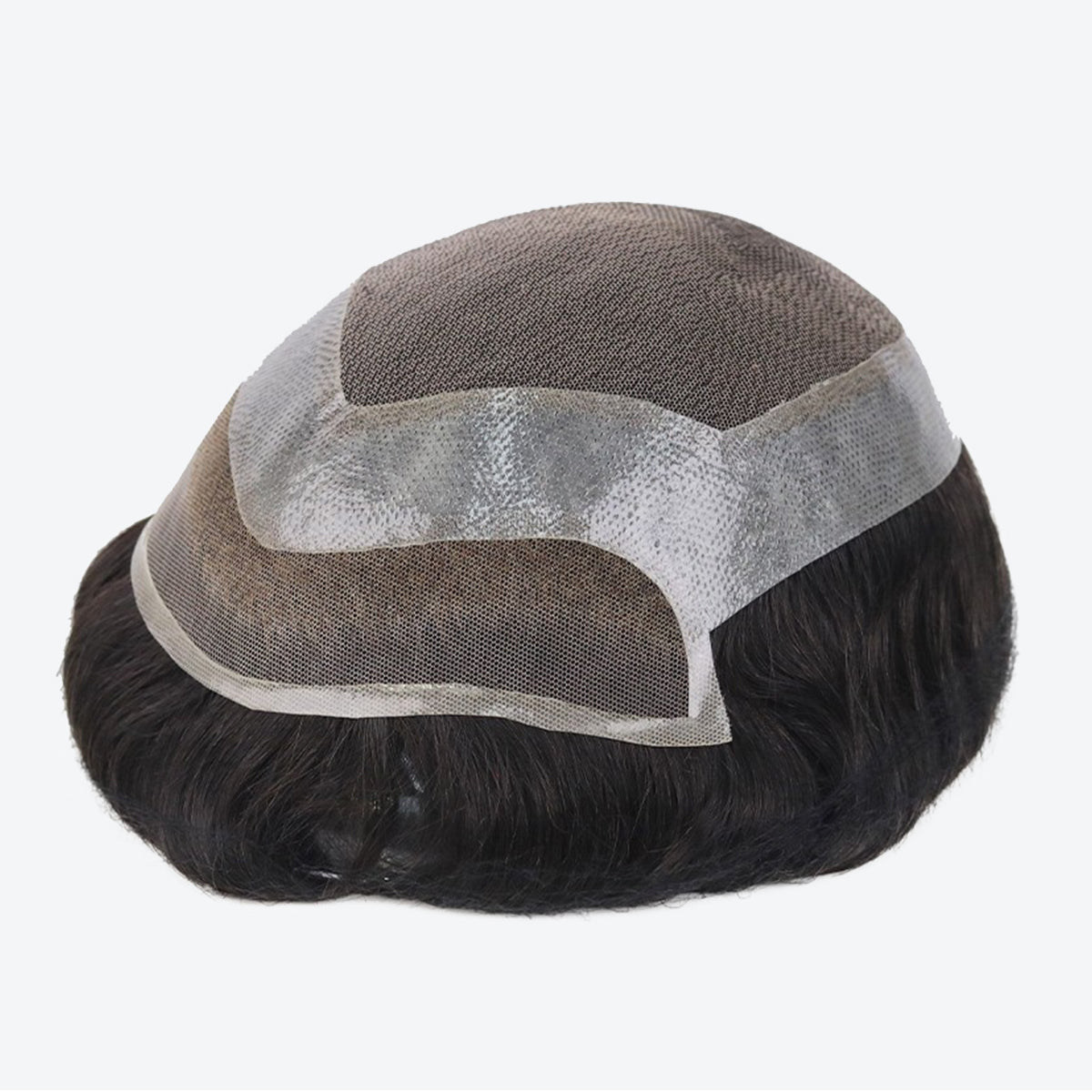

A hair system can be a practical non-surgical way to manage visible hair loss, but it is not a one-time purchase or a maintenance-free product. Before choosing a base, density, or color, a beginner should first decide whether the ongoing care, skin contact, adhesive routine, replacement cycle, and blending work fit real daily life. If those realities feel acceptable, the product decision becomes much clearer.

Quick Answer
If you are choosing your first hair system, begin with the realities that decide long-term success: maintenance time, tape or adhesive comfort, skin sensitivity, replacement expectations, and whether your side and back hair can blend with the system. A hair system can look natural when the base, density, color, and cut-in are handled well, but it still needs cleaning, reattachment, gentle handling, and eventual replacement. That learning curve is real. For the right wearer, it can also bring a level of appearance control that fibers, hats, or waiting for gradual treatments may not provide.
Quick Takeaways
- A hair system is a consumable wear product, not a permanent one-time purchase.
- Maintenance tolerance matters before base, color, or hairstyle preferences.
- Tape, adhesive, sweat, heat, and skin sensitivity can decide whether daily wear works.
- Natural-looking results depend on blending, density, color, hairline handling, and cut-in.
- The right first step may be testing the routine before committing to a full system.
What should you decide before buying your first hair system?
The first decision is not which model looks good in a photo. The first decision is whether the routine fits you. A hair system sits on skin, uses tape or adhesive, collects sweat and product buildup, and needs careful cleaning. Some men adapt well. Some decide the routine is more than they want. Both outcomes are normal.
| Reality check | What to ask yourself | Why it matters |
|---|---|---|
| Ongoing cost | Can I budget for replacement units, adhesive, remover, care products, and cut-in or salon help? | The first unit is only part of the total cost of ownership. |
| Maintenance time | Am I willing to clean, remove, reattach, detangle, and inspect the system regularly? | A neglected system can lift, smell, tangle, shed, or look less natural. |
| Skin contact | Am I comfortable testing tape or adhesive on my skin before extended wear? | Irritation or allergy can make the rest of the buying decision irrelevant. |
| Heat and sweat | Do I work out, sweat heavily, live in a warm climate, or wear hats often? | Sweat and heat can affect hold, odor, cleanup frequency, and comfort. |
| Blending hair | Do I have enough side and back hair to blend with a partial system? | The edge between your natural hair and the system is often the hardest part. |
| Privacy comfort | Can I handle occasional adjustments, salon visits, or learning at home? | The product is wearable, but the routine needs patience. |
If several answers feel uncertain, start with education and support before shopping. The Hair Systems for Beginners page is the better first stop when you need a slower decision path.
Why do people still choose hair systems after knowing the upkeep?
Because the trade-off can be worth it for the right wearer. A hair system is not passive, but it can be controllable. Once a user understands attachment, cleaning, styling, and replacement timing, the routine often becomes less mysterious and more predictable.
The benefit is not that the system has no work. The benefit is that the work can lead to visible coverage on a planned schedule, without waiting months to see whether a treatment responds. For men who value immediate appearance control and are willing to maintain the unit, that can be a rational choice.
Who should pause before ordering a hair system?
A hair system may not be the right first move for everyone. Pausing is reasonable if the maintenance routine, skin contact, or replacement cycle feels incompatible with your life.
Consider waiting or asking for guidance first if:
- You expect a no-maintenance solution.
- You are not willing to test tape or adhesive before extended wear.
- You have a history of strong skin reactions to adhesives, tapes, or topical products.
- You cannot budget for replacement units and supplies over time.
- You have very little side or back hair for a partial system to blend into.
- You need a result that never shifts, lifts, reflects light, or requires touch-ups.
- You feel pressured to order before understanding return, cut-in, or customization limits.
This is not meant to discourage the right user. It protects the wrong user from starting with the wrong expectation.
What is a hair system, and why is it a consumable product?
A hair system is a non-surgical hair replacement unit made with hair attached to a thin base. The base sits against the scalp and is usually attached with tape, adhesive, clips, or a combination of methods. It can be matched by size, density, color, curl, base material, and hairstyle.
It is also a wear product. The hair is no longer growing from your scalp, and the base is exposed to friction, washing, adhesive, remover, sweat, styling products, sunlight, and daily handling. That means it will not behave like natural growing hair forever.
| Part of the system | What wears it down | What you can control |
|---|---|---|
| Hair | Friction, brushing, washing, dryness, heat styling | Gentle detangling, moderate washing, lower heat, careful storage |
| Base | Adhesive removal, pulling, stretching, sweat, repeated attachment | Proper remover, slow removal, correct fit, regular inspection |
| Hairline | Placement, density, edge thickness, shine, styling direction | Cut-in, softer density, correct base choice, less exposed styles while learning |
| Attachment | Sweat, oil, skin prep, climate, activity level | Scalp prep, adhesive choice, cleaning schedule, realistic wear time |
The point is not to make the system sound fragile. The point is to understand that long-term wear depends on care habits as much as product choice.
How can you test the routine before committing to a full system?
If you are unsure, do not start by forcing a full purchase decision. Start by checking whether the routine feels acceptable. That can mean reviewing the supplies, testing attachment comfort carefully, watching removal steps, and understanding what cleanup actually involves.
A lower-commitment first step can include:
- Reviewing what tape, adhesive, remover, scalp prep, shampoo, and conditioner are used for.
- Testing a small amount of tape or adhesive according to product guidance before extended scalp wear.
- Testing remover as well, because removal products can also irritate some skin.
- Watching a removal video before deciding whether self-maintenance feels realistic.
- Reading current return, exchange, and service rules before choosing pre-cut or custom work.
If you want to understand the care routine before comparing systems, a hair system starter kit can help you see the types of supplies involved. Check the current product details before using anything on sensitive skin.
How do you choose base, density, color, and size after the reality check?
Once the maintenance and skin-contact realities are acceptable, product selection becomes more practical. The better question is not which option is most impressive. It is which option fits your routine and tolerance for trade-offs.
| Choice | May fit if your priority is | Trade-off to understand |
|---|---|---|
| Lace base | Breathability and softer front appearance | Cleanup and removal may require more patience. |
| Skin or poly base | Easier adhesive cleanup and a smooth attachment surface | It can feel warmer or less breathable for some active users. |
| Hybrid base | A balance of breathable zones and easier attachment zones | You still need to understand what each area of the base is doing. |
| Stock size | Your hair loss area fits a standard shape | Trimming and cut-in still matter. |
| Custom size | Your shape, color, density, or hair direction needs more control | Lead time and return/exchange rules should be checked before ordering. |
| Light to medium density | You want easier blending with mature side hair | It may look less full than product photos. |
| Fuller density | Your side and back hair can support more volume | Too much density can make the top look separate. |
Helpful video: How to cut your hair system base to the right size.
What can go wrong on the first wear?
Most first-wear issues are not dramatic, but some are real enough to decide whether you keep wearing systems long term. A better beginner guide should name them clearly and still give a practical next step.
| Problem | What it can mean | Practical response |
|---|---|---|
| Itching, burning, or redness | Adhesive, tape, remover, friction, or skin sensitivity | Remove carefully if needed, stop extended wear, and ask for product or professional guidance. |
| Edge lifting | Skin oil, sweat, poor prep, wrong adhesive, or tension | Shorten wear time, improve cleaning, and reassess attachment method. |
| Odor or buildup | Sweat, product residue, overwearing, or poor drying | Clean more regularly and let the unit dry properly before storage or reattachment. |
| Hairline shine or visibility | Base material, lighting, density, placement, or styling | Use softer styling, adjust placement, or consider a different base or density next time. |
| Poor blending | Density, color, curl, cut-in, or side-hair mismatch | Fix with cut-in/styling first; consider a different spec if the mismatch is structural. |
| Scalp tension | Base size, attachment tension, or placement | Recheck size and avoid stretching the base into position. |
A first system should be treated as a learning cycle. It may confirm the right direction, or it may reveal what needs to change before the next unit.
Should you self-install, choose pre-cut support, salon help, or custom service?
Support can reduce uncertainty, but it does not remove responsibility from the buyer. Before choosing any service that cuts, styles, or customizes a unit, check the current return, exchange, adjustment, and measurement rules. A changed unit may be handled differently from an untouched one.
| Path | May fit if | Risk to check first |
|---|---|---|
| Self-install | You are patient, detail-oriented, and willing to learn slowly | Placement mistakes, uneven attachment, and longer learning time. |
| Pre-cut support | You want less trimming work before the first wear | Confirm how pre-cut work affects returns, exchanges, and adjustments. |
| Salon help | You want hands-on placement and blending support | Quality varies by stylist experience with men's hair systems. |
| Custom route | Your base size, density, color, curl, or hair direction needs more control | Measurements must be accurate, and custom terms should be understood before ordering. |
Helpful video: Hair system self installation at home.
How do you care for the first hair system after wearing it?
Care should be steady, not rushed. Detangle gently, clean the attachment area properly, remove adhesive with the right product, and inspect the base and hair before reattaching. Do not rely on one fixed lifespan number. Replacement timing varies with base type, climate, sweat, sleep habits, styling, removal technique, and how often the unit is worn.
A realistic beginner routine includes:
- Checking the hairline and edges before longer wear.
- Cleaning sweat and oil before reattachment.
- Removing tape or adhesive slowly with remover.
- Avoiding heavy product buildup near the base.
- Letting the system dry properly before storage.
- Inspecting shedding, tangling, base stretch, and edge wear.
Helpful video: How to remove a hair replacement system correctly.
Where should a LaVivid beginner start?
Start where regret is reduced: maintenance tolerance, skin comfort, total cost, blending reality, then product specifications. If those trade-offs still feel manageable, use the beginner path to compare base, density, color, support level, and installation route with a calmer frame.

FAQ
Is a hair system a one-time purchase?
No. A hair system is a wear product that needs supplies, cleaning, reattachment, careful removal, and eventual replacement. The replacement cycle varies by base, routine, climate, activity level, and maintenance habits.
What should I test before buying my first system?
Test your comfort with tape or adhesive, your willingness to maintain the unit, your budget for ongoing supplies and replacements, and whether your side and back hair can blend with a partial system. If you have sensitive skin, ask for professional guidance before extended wear.
Can sweat or workouts make wearing harder?
Yes. Sweat, heat, oil, and frequent activity can affect hold, odor, cleanup frequency, and comfort. Active users may need a different base, adhesive routine, and maintenance schedule than someone with a mostly indoor routine.
Is pre-cut support always the safer option?
Not always. Pre-cut support can reduce trimming uncertainty, but any service that changes a unit should be reviewed against current return, exchange, and adjustment rules before ordering. Convenience and flexibility need to be weighed together.
What makes a first hair system look natural?
Natural-looking results come from the full system working together: base choice, density, color, curl, hairline placement, cut-in, side-hair blending, and styling. One strong feature cannot compensate for a poor match in the others.


