

9 Common Hair System Myths Debunked: What You Really Need to Know
Learn the truth behind 9 common hair system myths about removal, washing, DIY maintenance, salon care, styling, and when it is time to replace your system.

Do you need to remove your hair system every few days? Is professional salon maintenance necessary? And can a hair system really last for a year?
If you're new to hair systems, you've probably heard plenty of conflicting advice about wearing, washing, styling, and maintaining them.
Some of these misconceptions can make hair systems seem expensive, complicated, or difficult to live with. But the reality is often much simpler.
In a LaVivid-sponsored video, hair system educator Jake Kent shares nine common myths based on his years of experience wearing hair systems and talking with other wearers.
We'll break down each myth, explain what's true, and share practical tips to help you get more comfortable with hair system care.
Quick Answer: What Are the Most Common Hair System Myths?
You don't necessarily need to remove your hair system every few days, rely on a salon for every maintenance session, or buy an expensive collection of specialized products. With practice, home installation and maintenance can become part of your normal routine.
However, hair systems do need regular cleaning and conditioning. Excessive heat, aggressive styling, and leaving adhesives on too long can contribute to problems. Even a well-maintained hair system will eventually need replacement.
The key is understanding what works for your particular base, attachment method, and lifestyle.
Watch: 9 Hair System Myths That Aren't True
In this video, Jake Kent discusses nine common hair system misconceptions, from attachment schedules to styling and product longevity.
Here are the nine myths and what you should know about each one.
Myth 1: You Have to Remove Your Hair System Every Few Days
The Truth: Not necessarily. Your removal schedule depends on how you wear and attach your system.
One common misconception is that hair systems have to be removed every day or every few days.
Jake explains that frequent removal is often a deliberate choice made by people using daily-wear adhesives or tapes.
Some wearers prefer this approach because they have sensitive skin, want a shorter attachment period, or simply enjoy removing their system when they're relaxing at home.
Others prefer a longer-wear attachment that allows them to keep their system on between maintenance sessions.
Both approaches have their advantages.
Daily wear may suit you if:
-
You prefer removing your system regularly.
-
You want easier access to your scalp.
-
You prefer not to wear your system at home.
-
You need a shorter-contact attachment option.
Extended wear may suit you if:
-
You prefer keeping your system attached overnight.
-
You want fewer removal and reattachment sessions.
-
Your scalp tolerates the selected adhesive.
-
You can maintain a comfortable, secure attachment.
The important thing is that frequent removal isn't a requirement for every hair system wearer.
Jake's Takeaway: You don't have to follow someone else's wearing routine. Choose an attachment approach that fits your preferences, scalp, and lifestyle.
Myth 2: You Can Leave Your Hair System Attached for 30–40 Days Without Maintenance
The Truth: Extremely long attachment periods are uncommon and may create unnecessary problems.
Just because a hair system can remain attached for a long time doesn't mean it's a good idea to avoid maintenance.
In the video, Jake discusses his experience over six or seven years of wearing hair systems and speaking with hundreds, if not thousands, of other wearers.
He recalls encountering only a handful of people who could comfortably go around 30 days between cleaning and reattachment.
His concern isn't simply that the adhesive might stop holding.
Over time, several problems can develop:
-
Odor: Sweat and scalp oils can accumulate around the attachment.
-
Adhesive breakdown: Tape or glue can become sticky, messy, or less secure.
-
Buildup: Residue may become more difficult to remove.
-
Comfort: A deteriorating attachment can make the system uncomfortable.
These problems can appear sooner for people who exercise frequently, sweat heavily, or live in hot and humid climates.
Rather than trying to maximize the number of days between maintenance sessions, pay attention to how your system and scalp are responding.
Practical Tip: Follow the attachment product's instructions and address lifting, odor, buildup, or scalp discomfort promptly. If the adhesive is breaking down, don't keep adding fresh adhesive over the residue.
A comfortable and clean attachment matters more than setting a personal record for the longest wear time.
Myth 3: Installing a Hair System Yourself Is Extremely Difficult
The Truth: DIY installation takes practice, but it can become surprisingly routine.
The first few times you install your own hair system may feel challenging.
You have to work with adhesive, position the base correctly, and make sure the hairline looks natural.
But Jake compares learning installation to learning how to ride a bike: what initially feels difficult can become familiar with practice.
He describes the basic maintenance process in a few straightforward steps:
-
Remove the system. Use the appropriate remover and avoid pulling against the adhesive.
-
Clean the system. Remove adhesive residue and product buildup using methods suitable for your base.
-
Clean your scalp. Prepare the attachment area before applying fresh adhesive.
-
Apply the adhesive. Follow the instructions for your selected tape or liquid adhesive.
-
Position the system. Align the hairline and check the placement.
-
Attach the system. Secure the base carefully without stretching or damaging it.
According to Jake, one of the biggest learning curves is positioning the system correctly, especially around the front hairline.
A hairline that sits too high, too low, or unevenly can affect the overall appearance.
Fortunately, placement is a skill that improves with repetition.
Practical Tip: Before working with adhesive, practice positioning your system and identifying where your natural-looking hairline should sit.
If you're learning DIY installation, take your time and use attachment products compatible with your specific base. Always follow the manufacturer's skin patch-testing and application instructions.
You can also explore LaVivid's beginner hair system guide to learn more about choosing and wearing your first system.
Myth 4: You Need a Hair System Salon for Every Installation and Maintenance Session
The Truth: You can handle many hair system maintenance tasks yourself and potentially reduce ongoing salon expenses.
Professional salons can be helpful, especially for your first installation or haircut.
However, Jake strongly challenges the idea that every hair system wearer needs to depend on a salon indefinitely.
In the video, he points out that some salon services and maintenance appointments can be expensive. Learning to manage routine care at home may help wearers avoid repeated service fees.
Once you've learned the basics, you may be able to handle tasks such as:
-
Removing and cleaning your system
-
Cleaning and preparing your scalp
-
Reapplying tape or adhesive
-
Positioning and attaching the system
-
Routine washing and conditioning
-
Basic styling and care
This can give you more control over both your schedule and ongoing expenses.
However, DIY maintenance doesn't mean professional support has no value.
You may still benefit from professional assistance with your first cut-in, blending your system with your existing hair, color correction, or repairs that require specialized skills.
Practical Tip: Consider getting help with the tasks you're not yet confident performing, while gradually learning the routine maintenance steps you can safely do yourself.
The goal is flexibility: you should be able to choose when professional service is worth paying for.
Myth 5: You Should Rarely Wash Your Hair System
The Truth: You should avoid over-shampooing, but regular conditioning is important.
This myth needs a little more explanation.
Jake doesn't recommend aggressively shampooing a hair system every day. In the video, he suggests that shampooing around once a week can be enough for his recommended routine.
But he makes an important distinction between shampooing and conditioning.
While frequent shampooing may contribute to dryness, conditioning helps maintain the feel and manageability of the hair.
Hair system hair, particularly processed human hair, requires careful conditioning because it doesn't receive the same natural oil supply as hair growing from your scalp.
Jake recommends conditioning more frequently than shampooing to help keep the hair from becoming excessively dry.
Shampooing vs. Conditioning
| Routine | Main Purpose | What to Keep in Mind |
|---|---|---|
| Shampooing | Removes oil, sweat, and product buildup | Avoid unnecessary daily shampooing; clean as needed. |
| Conditioning | Helps maintain softness and manageability | Condition regularly with a product suitable for your hair system. |
| Leave-in care | Helps manage dryness and tangling between washes | Use an appropriate amount and avoid buildup. |

Jake's once-a-week shampooing suggestion is a personal care recommendation, not a universal schedule.
If you exercise frequently, experience significant buildup, or use styling products regularly, your cleaning needs may be different.
Practical Tip: Use gentle hair care products, avoid rough scrubbing, and pay attention to how your hair responds. Conditioner can help maintain the hair's appearance, but excessive product buildup should still be avoided.
Myth 6: You Need Lots of Specialized Hair System Products
The Truth: A few well-chosen products can cover most basic hair system maintenance needs.
When you're new to hair systems, it's easy to assume you need a large collection of specialized sprays, shampoos, adhesives, and styling products.
Jake's advice is much simpler.
He suggests starting with a few essentials:
-
A gentle shampoo, preferably sulfate-free
-
A good conditioner
-
A leave-in conditioner
-
A suitable hair oil, if needed
-
Hair system tape or adhesive
-
An appropriate remover or scalp-cleaning product
-
A brush suitable for your hair system
That's enough to build a basic care routine without collecting every product recommended in online tutorials.
The most important specialized products are usually those involved in attaching and removing the system, because they must be compatible with the base and your skin.
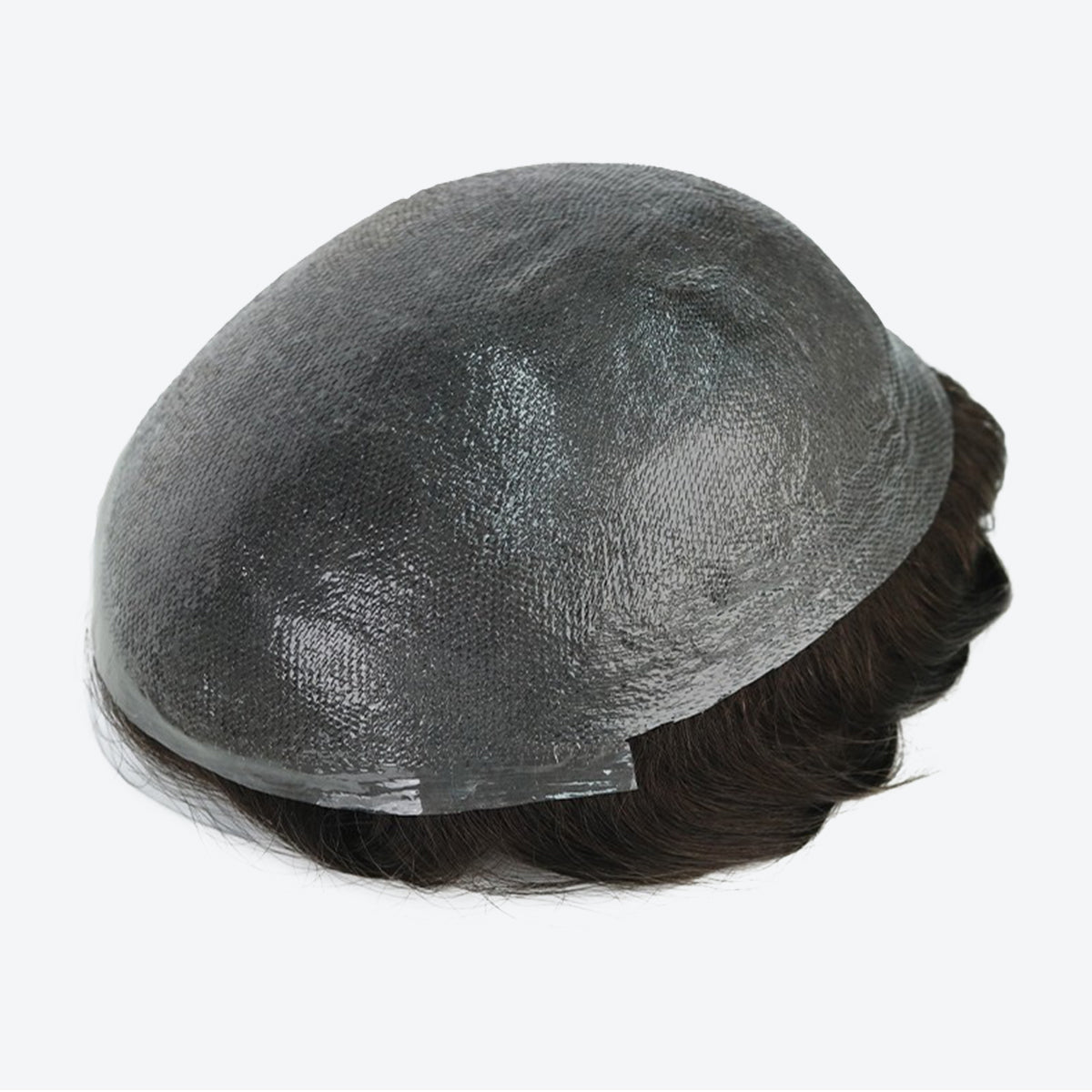
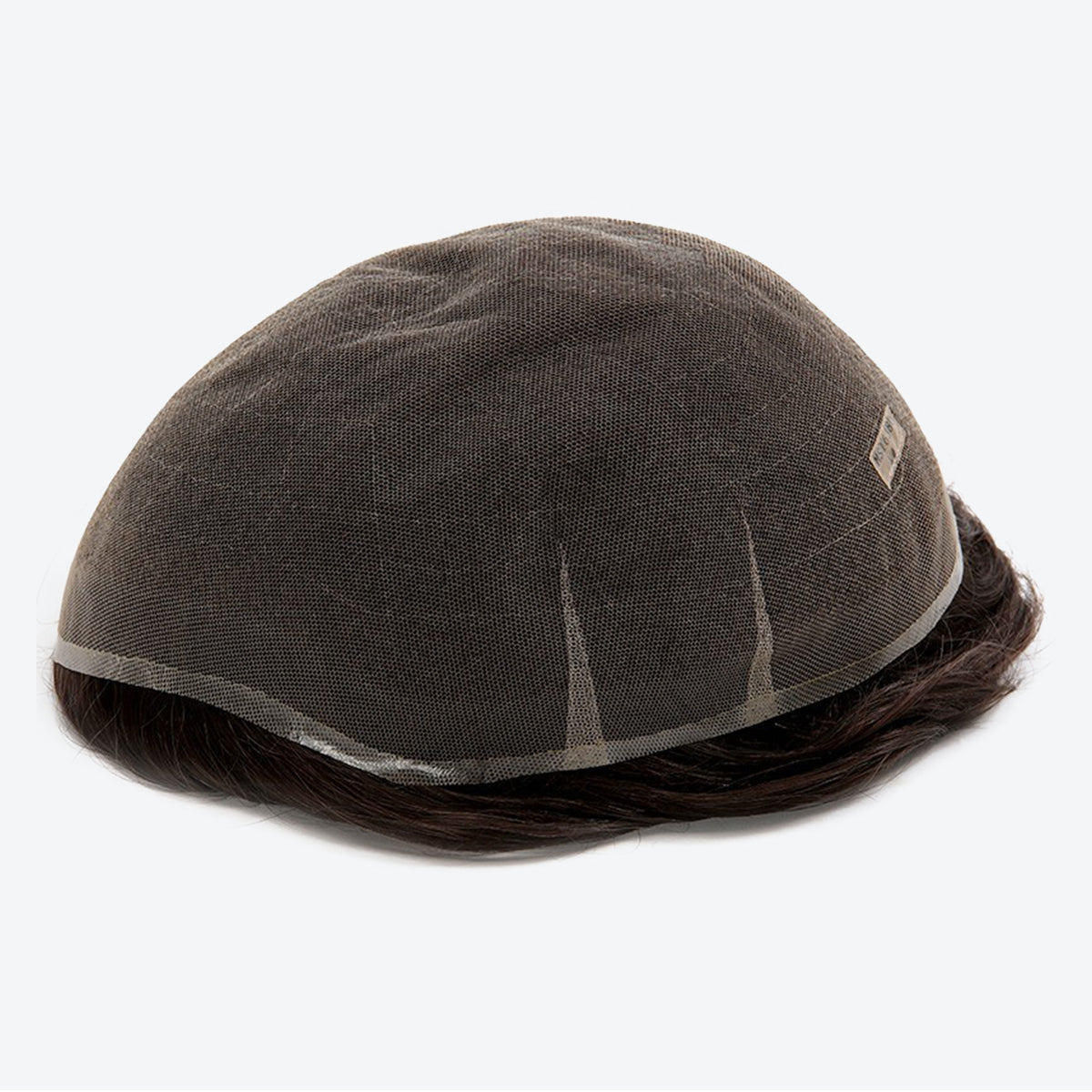
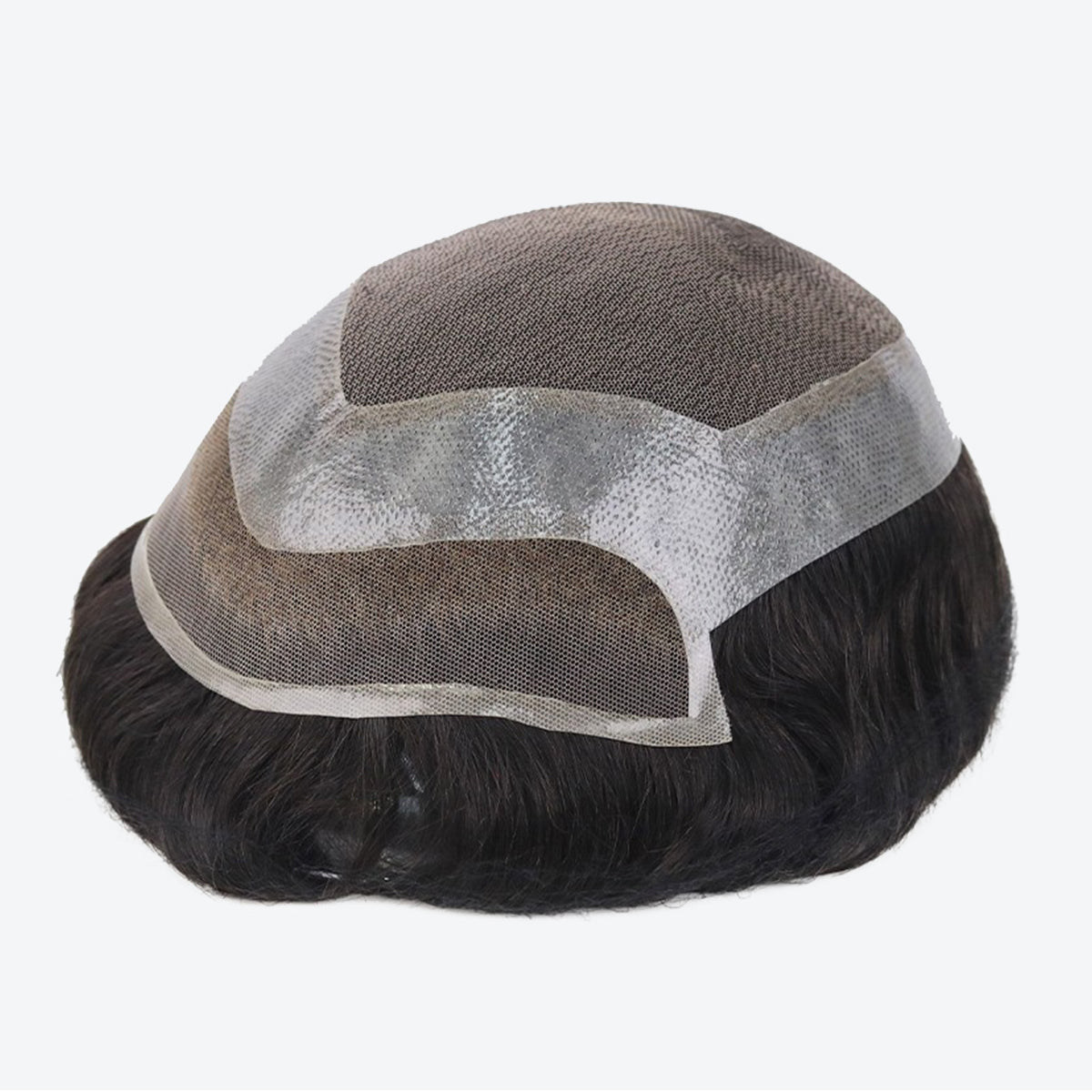
For example, lace, skin/poly, and hybrid hair systems may have different attachment and removal requirements.
Choosing the wrong product or removal technique can damage a delicate base.
Practical Tip: Build your care kit around your specific hair system. Start with essential products and only add more when you have a clear reason.
Explore LaVivid's hair care collection for maintenance products, and always check compatibility before use.
Myth 7: You Can Style a Hair System Exactly Like Your Growing Hair
The Truth: You can achieve many hairstyles, but hair system hair needs extra care.
One of the biggest advantages of wearing a hair system is the freedom to experiment with different hairstyles.
You can choose different lengths, textures, and looks based on your preferences.
But Jake explains that styling a hair system isn't exactly the same as styling hair growing naturally from your scalp.
There are two main reasons.
First, hair system hair doesn't receive natural oils from your scalp in the same way as growing hair.
Second, the hair may have undergone processing, including coloring or other treatments, before becoming part of the system.
Because of this, frequent high-heat styling or drying products can contribute to premature wear.
Styling Habits to Be Careful With
Excessive blow-drying
High heat can contribute to dryness and may affect delicate base materials or attachment products.
Heavy styling products
Using large amounts of styling products can leave buildup and may make cleaning more difficult.
Aggressive brushing
Rough handling can increase tangling, breakage, and stress on the base.
Repeated heat styling
Frequent heat exposure may shorten the useful life of processed hair.
This doesn't mean you have to give up your preferred hairstyle.
It means you should choose styling methods that protect the hair and base.
Practical Tip: Use low heat when appropriate, detangle gently, and avoid products that leave the hair excessively dry or weighed down.
With the right care, you can enjoy a wide range of hairstyles without putting unnecessary stress on your system.
Myth 8: If Your Hair System Starts Looking Bad, You Automatically Need a New One
The Truth: Some signs of wear can be improved with the right care or professional restoration.
Over time, even a well-maintained hair system may begin to look different from when it was new.
Jake highlights several common changes:
-
Hair becomes drier.
-
Color begins to fade.
-
Ends look frizzy.
-
Hair density decreases.
-
The front hairline loses some of its original appearance.
But not every change means the entire system is finished.
Some problems may be manageable through maintenance or restoration.
For example:
Dry or frizzy hair: Deep conditioning may help improve softness and appearance.
Faded color: Qualified color correction may restore a more consistent look.
Damaged-looking ends: Careful trimming or restyling may improve the overall appearance.
Product or adhesive buildup: Thorough, base-compatible cleaning may help restore the system's condition.
Reduced density: In certain constructions, professional hair addition or ventilation may be possible.
Jake also mentions keratin treatments as a potential refresh option. However, not every treatment is appropriate for every hair system, especially delicate or heavily processed hair. Professional assessment is advisable before using intensive chemical or heat-based treatments.
The important distinction is between a system that needs refreshing and one with damage that can't be reasonably repaired.
Practical Tip: Before replacing your system, identify the actual problem. If the hair and base are structurally sound, appropriate restoration may extend its useful life.
Myth 9: A Good Hair System Should Last Forever If You Take Care of It
The Truth: Hair systems are consumable products, and every system has a limited lifespan.

This is one of the most important myths Jake addresses.
No matter how carefully you maintain a hair system, its hair and base will experience wear over time.
Some systems may lose hair, while others develop damage to the base through repeated attachment, removal, friction, washing, and styling.
Jake notes that some wearers report using a system for six to twelve months, but those experiences often involve different wearing routines or more durable base constructions.
For example, he mentions mono-based systems as an option that can generally offer greater durability, although they may involve trade-offs in appearance or construction.
For finer systems, such as Swiss lace or extremely thin skin bases, Jake estimates a lifespan of approximately three to five months, with some wearers potentially reaching around six months depending on how the system is used and maintained.
These are Jake's experience-based estimates from the video, not guaranteed lifespans for every LaVivid product.
What Affects Hair System Lifespan?
| Factor | How It Can Affect Longevity |
|---|---|
| Base construction | Finer bases may prioritize a natural appearance, while reinforced bases can offer greater durability. |
| Wearing routine | Daily activities, overnight wear, and friction can contribute to wear. |
| Attachment and removal | Harsh removal techniques can damage the base and hair. |
| Washing and styling | Excessive heat and rough handling may shorten useful life. |
| Hair maintenance | Appropriate conditioning and gentle handling can help preserve appearance. |
Can You Repair a Hair System Instead of Replacing It?
Sometimes.
Jake mentions that certain hair systems can be restored by adding hair back into the base or repairing specific types of damage.
However, repair isn't always practical or cost-effective.
If a system has extensive shedding, severe base damage, or recurring attachment problems, replacing it may be the better choice.
Practical Tip: Don't judge a system only by its age. Consider whether the hair, base, and attachment still provide the appearance, comfort, and performance you need.
Explore LaVivid's men's hair systems to compare different base constructions and wearing preferences.
Hair System Maintenance: What Should You Do?
Here is a quick guide based on the issues discussed above.
| Situation | Recommended Next Step |
|---|---|
| You dislike frequent removal | Explore a compatible longer-wear attachment routine. |
| Your adhesive is breaking down or developing odor | Remove, clean, and inspect the system and scalp. |
| DIY installation feels difficult | Practice positioning and repeat the basic installation steps. |
| Salon costs are becoming expensive | Learn routine cleaning and reattachment at home. |
| The hair feels dry | Review shampoo frequency and conditioning practices. |
| Styling causes frizz or dryness | Reduce excessive heat and drying styling products. |
| The system looks faded or worn | Assess whether conditioning, trimming, or restoration could help. |
| The base is badly damaged or shedding is severe | Consider professional repair assessment or replacement. |
If you experience significant scalp irritation, burning, or damaged skin, stop using the suspected attachment product and seek appropriate medical advice.
Final Thoughts: Hair Systems Don't Have to Be Complicated
Many common hair system myths come from the idea that there's only one correct way to wear and maintain a system.
But every wearer's routine is different.
You don't necessarily have to remove your system every few days, depend on expensive salon services, or buy a long list of specialized products.
At the same time, good maintenance matters. Gentle cleaning, regular conditioning, careful styling, and realistic expectations about product lifespan can help you get more from your system.
Jake's biggest message is simple: hair systems become easier to manage once you understand the basics and gain some hands-on experience.
In the video, Jake also mentions that he's wearing a LaVivid hair system himself.
Ready to Find a Hair System That Fits Your Lifestyle?
Whether you're interested in daily wear, longer-wear attachment, or learning DIY maintenance, choosing the right base construction is an important first step.
Explore LaVivid's Beginner Hair System Guide to learn about your options and find a system that fits your needs.


