

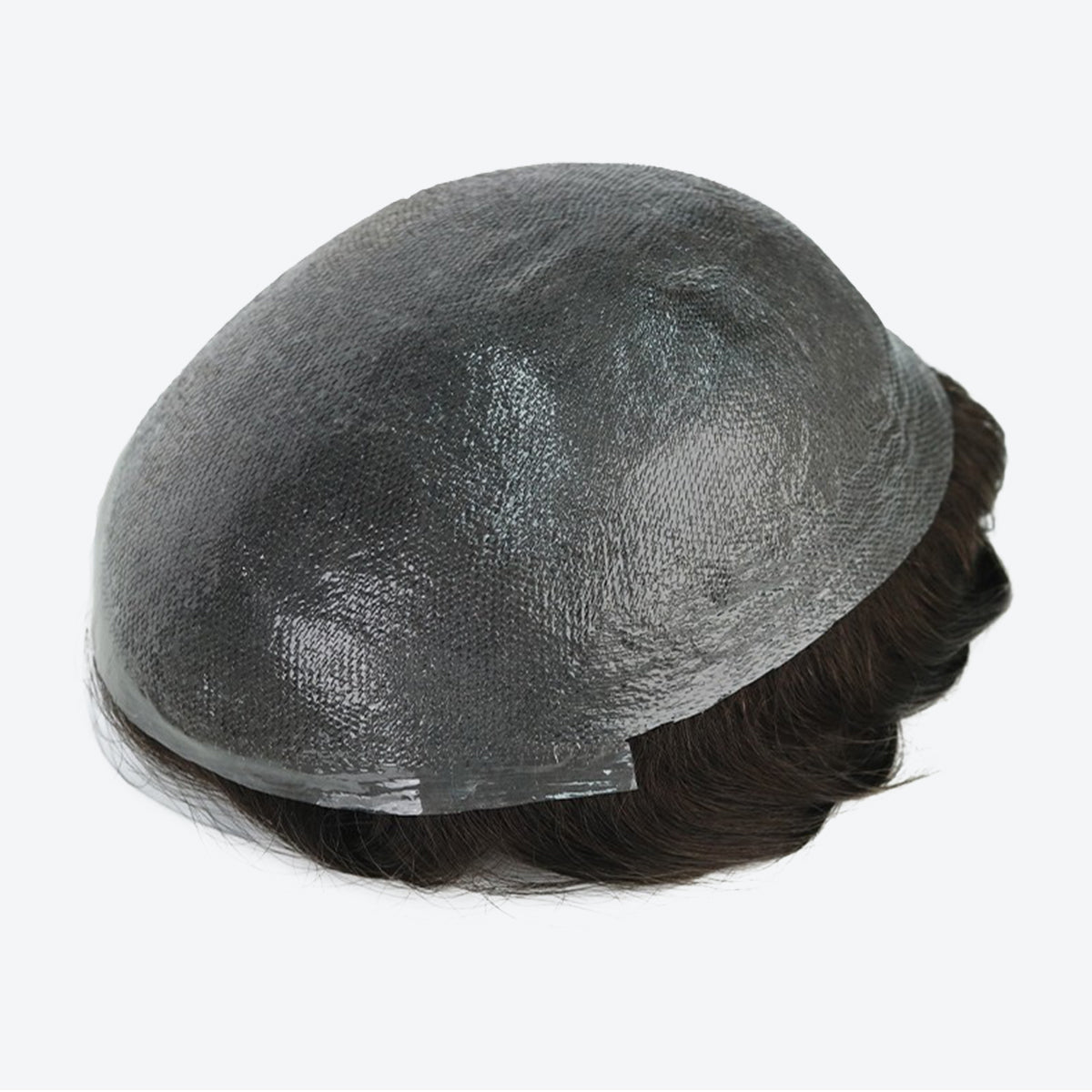
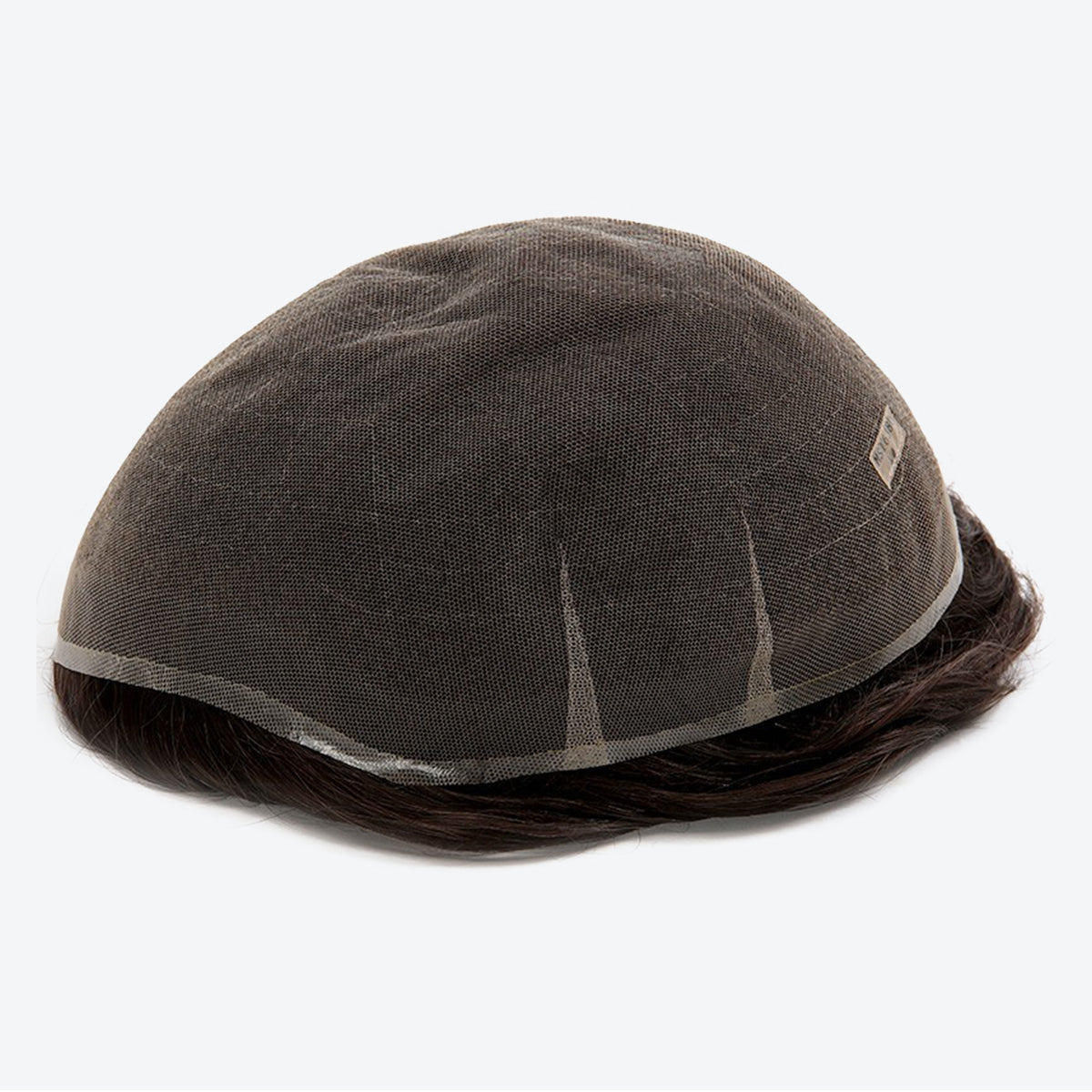
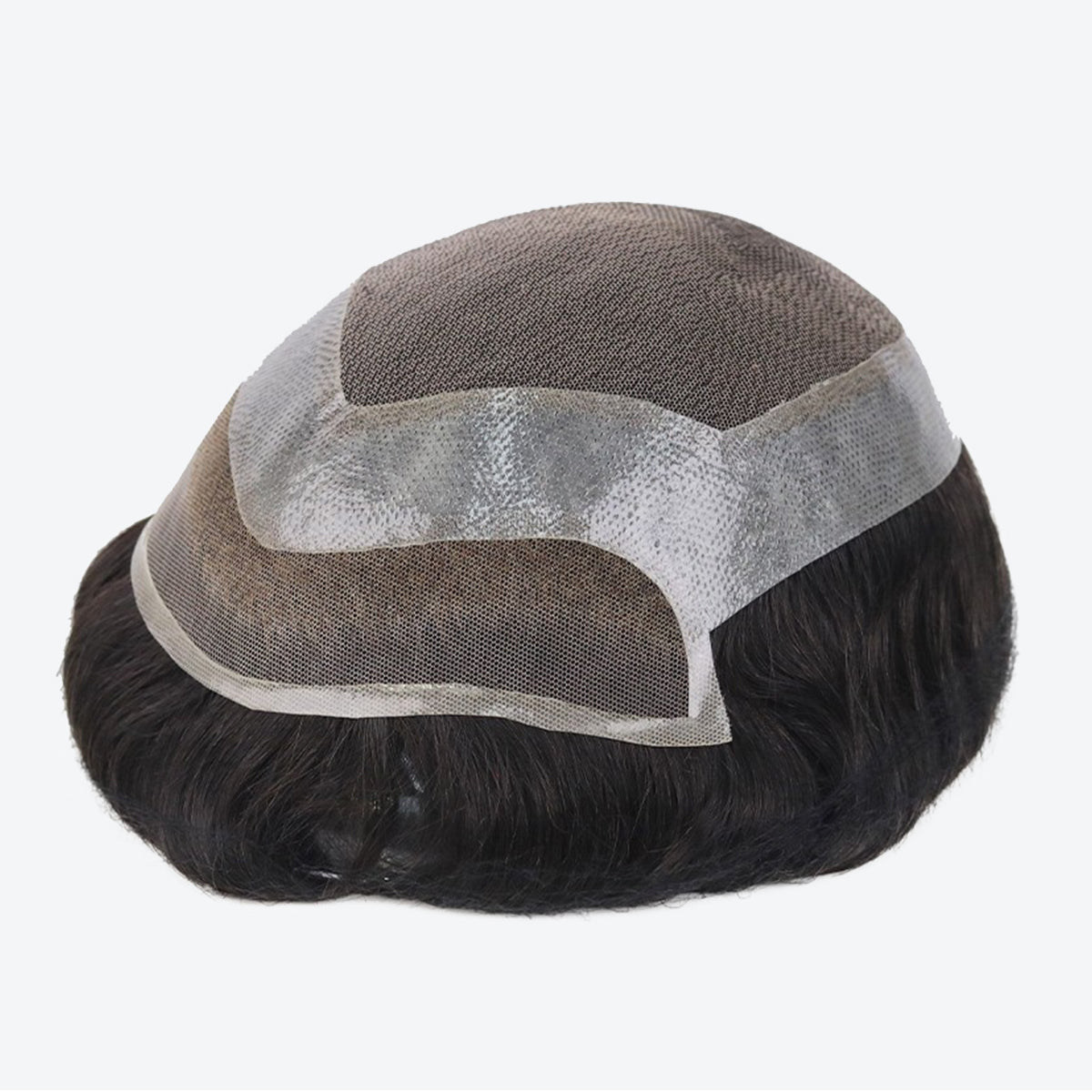

Experienced wearers may consider European Hair when coverage is no longer the only question. Once fit and routine feel familiar, smaller details such as how the hair feels, how it moves, and how closely it matches the hair at the sides and back can matter more. An upgrade is worth considering only when a specific option addresses a repeated mismatch; the European Hair label alone does not guarantee a better result. If your priorities have become more specific over time, that is normal.
Quick Answer
By the time you have an established wearing routine, you can often separate basic coverage from the details you notice every day. A European Hair option may be worth comparing when the same issue keeps returning: the texture does not blend as you want, movement feels less natural to you, or the hair does not feel like the result you are trying to maintain. It cannot correct the wrong base, density, color, cut, or fit. If you are not sure, start with one repeated mismatch and compare that single variable before changing the rest of a setup that already works.
Quick Takeaways
- An upgrade should respond to a repeated mismatch, not an assumed milestone.
- Review the issue across normal maintenance cycles and at your usual reorder point.
- Texture, movement, and touch can matter more once fit and routine are predictable.
- A specific European Hair option may suit those priorities, but the label is not a quality guarantee.
- Keeping a familiar option is sensible when its blend, feel, and repeatability still meet your needs.
How Do Priorities Change With Experience?
A first-time system often answers immediate questions: Does it provide the coverage you want? Does the fit feel manageable? Can you repeat the style? Those questions remain important after you gain experience.
What changes is your ability to name smaller differences. You may notice that the density is right but the movement feels separate from the hair at the sides, or that the color is close but the texture requires more correction than you want. You also know which parts of your routine feel dependable and which details keep asking for attention.
In our experience, the useful upgrade question is not, "Which hair is better?" It is, "Which one detail keeps interrupting a setup that otherwise works?" An upgrade then means a closer match to a stated priority, not a universal move to a higher quality grade.
That distinction matters over the long term. Changing one variable can help you learn from the next order; changing the hair, base, density, color, and cut together makes the result harder to interpret. The honest trade-off is between exploring a more specific match and keeping the repeatability you already trust.
What Are Common Upgrade Signals?
One difficult styling day is not an upgrade signal. Keep your normal maintenance and reorder cadence: after an ordinary wash and style cycle, note whether the same mismatch returns, then review those notes at your usual reorder point. There is no need to replace a usable system early.
You may have a reason to compare another hair option when:
- you repeatedly style around a texture mismatch instead of toward the look you want;
- movement seems separate from the hair at the sides and back in ordinary settings;
- the feel of the hair keeps distracting you even when the other specifications seem right;
- the result looks acceptable when still but feels less convincing to you in motion;
- small changes to styling or cut-in do not resolve the same issue.
These signals are prompts to investigate, not proof that European Hair is the answer. First check whether color, density, length, wave, product load, cut-in, base, or fit is the actual source of the mismatch.
| Repeated signal | Check first | What a hair-material comparison may clarify |
|---|---|---|
| Texture does not blend as you want | Color, wave, length, density, and cut-in | Whether a specific option gives you a closer observable texture match |
| Movement feels separate in ordinary motion | Density, cut, styling product, and comparison conditions | Whether the actual option bends and settles closer to your preference |
| Touch remains distracting | Product buildup, current condition, and care directions | Whether a clean, matched-condition option feels more suitable to you |
| Several parts feel wrong at once | Base, fit, color, density, cut-in, and routine | That the hair label is not yet the variable to change |
| The current setup remains dependable | Whether the issue is repeated and important | That no change may be the better next-order decision |
Why Do Texture, Movement, and Touch Matter More Over Time?
Experienced wearers judge a system in daily life, not only in a still mirror. You know how the hair behaves after a normal wash, during an ordinary day, and when you repeat your usual style. That history can make subtle differences easier to identify.
Texture is how the hair looks and feels in relation to the rest of your style. Movement is how it separates, bends, and settles. Touch is personal: it may matter a great deal to you, or appearance and routine may matter more. None of these dimensions creates one universal ranking.
They also do not operate alone. Length, wave, density, processing, construction, cut, product load, and care can change what you see and feel. Compare the exact option under similar light, camera distance, hairstyle, and product conditions whenever practical.
This is your routine and your private standard. No one else needs to notice a difference for it to matter to you, and you do not need to change simply because a category is described as an upgrade.
What May European Hair Change, and What Can It Not Change?
A specific European Hair option may offer a feel or movement pattern that better matches your priorities. The word specific matters: the source label alone does not establish one texture, processing history, or finished result for every product or batch.
European Hair cannot correct the wrong base, density, color, wave, cut-in, hairline placement, or fit. It also cannot tell you whether a different routine will suit you. This article will not choose those specifications, set a care schedule, predict lifespan, or recommend a specific product; use the exact current product guidance for those decisions.
If the source labels themselves are still part of your question, compare European Hair and Indian Hair by the same observable factors. For this upgrade decision, return to one question: does the actual option address the repeated mismatch you named while leaving the dependable parts of your setup intact?
Once you can answer that question, the European Hair collection becomes a focused comparison point rather than a quality ladder. Current options can use different constructions and specifications, so check the collection and exact product details at decision time.
Who Should Stay With a Familiar Option?
Staying with what works is not settling. A familiar option may remain the more sensible choice when:
- its texture, movement, and feel already suit you;
- repeatability matters more than changing a subtle detail;
- the real issue appears to be color, density, cut, base, or fit;
- you cannot yet identify one specific mismatch an upgrade should address;
- you do not want to introduce another variable into a dependable setup.
Take your time. There is no need to decide at your next order. The stronger long-term choice is the one you can understand, repeat, and wear comfortably, whether it is new or familiar.
What Should You Ask Before Your Next Order?
Before changing hair type, ask:
- What one detail am I trying to improve?
- Has the same mismatch appeared across normal maintenance cycles?
- Could color, density, length, wave, cut, base, or fit be the real cause?
- Which parts of my current setup should stay unchanged?
- What verified detail of the new option relates to my priority?
- What trade-off am I willing to accept for a different feel or movement?
- Can I keep the other variables close enough to make the comparison meaningful?
If the answers are not clear, stay with the familiar option and keep a note for a later reorder. A first comparison that does not settle the question is not a failure; it has shown you which evidence is still missing. That careful record can make future orders easier to repeat.
FAQ
Does every experienced wearer eventually need European Hair?
No. Experience gives you clearer preferences; it does not create an obligation to change. Compare another option only when a repeated mismatch matters enough to investigate.
Is European Hair automatically softer or more natural-looking?
No. Texture and movement can vary by product, processing, construction, and batch. Evaluate the specific option rather than treating the source label as a guarantee.
Can a different hair type correct a poor fit or color match?
No. A different hair type cannot correct the wrong base, density, color, cut, hairline placement, or fit. Identify those variables before changing hair type.
How can I compare an upgrade with my current system?
Write down your current specifications, name one repeated mismatch, and keep the other variables as close as practical. Compare under similar light, styling, and product conditions so the result is easier to interpret.
Do I need to switch before my usual reorder point?
No. Keep your normal maintenance and reorder cadence unless the current system has a separate fit, safety, or condition issue. There is no need to replace a usable option early just to test a label.
Explore an Upgrade Option at Your Own Pace
If you have identified one repeated mismatch and want to compare a specific alternative, explore an upgrade option. If you have not, keep the setup that works and revisit the question later.


