

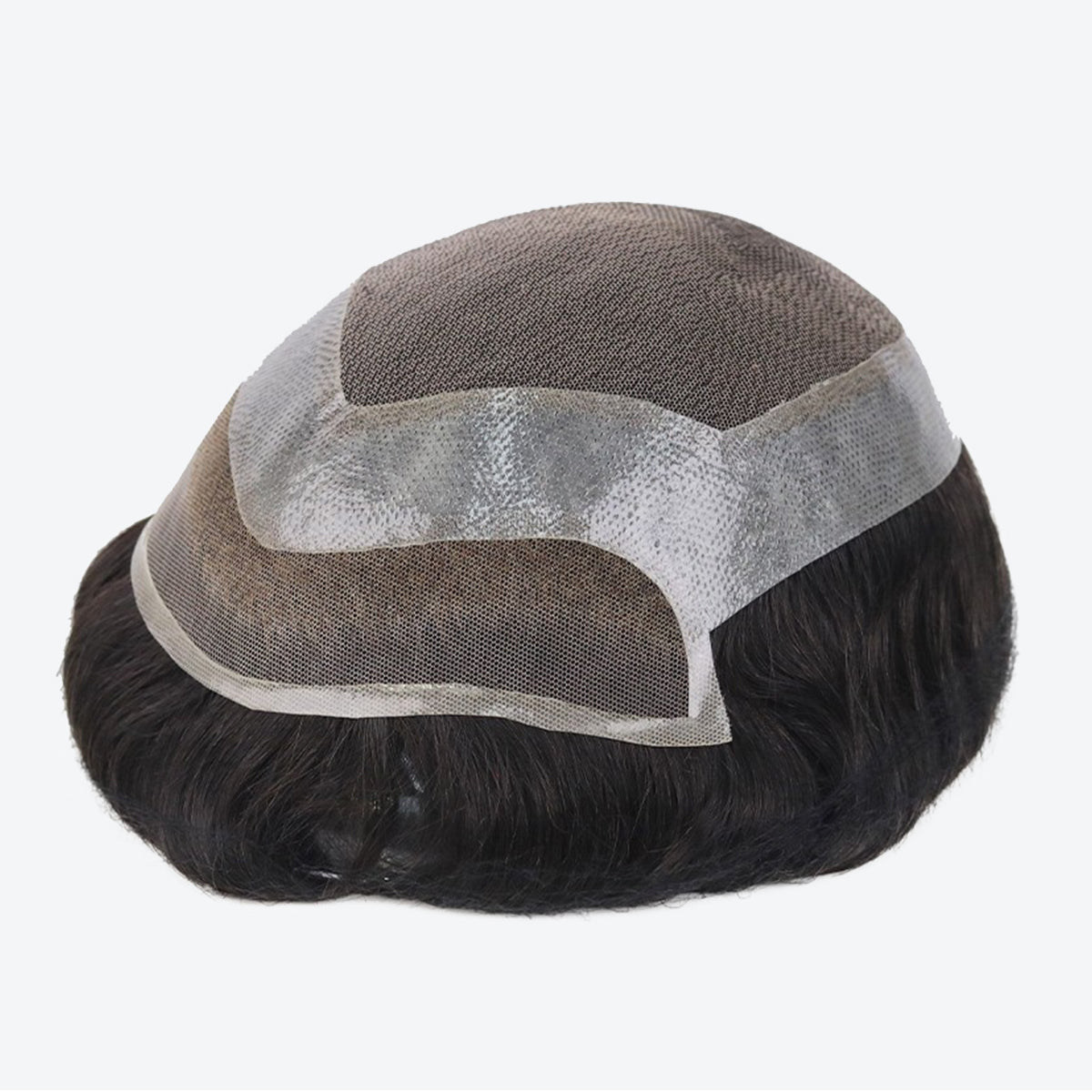

Hair loss is more common than many people realize: the American Academy of Dermatology estimates that hereditary hair loss alone affects about 80 million Americans. If you want instant coverage for thinning or bald spots without surgery, a hair patch can give you a natural look the same day. The trade-off is routine upkeep, smart product choices, and a short learning curve.
This guide keeps things simple and practical so you can decide if a hair patch fits your life, choose the right setup, and keep it looking great with minimal stress.
What are Hair Patches
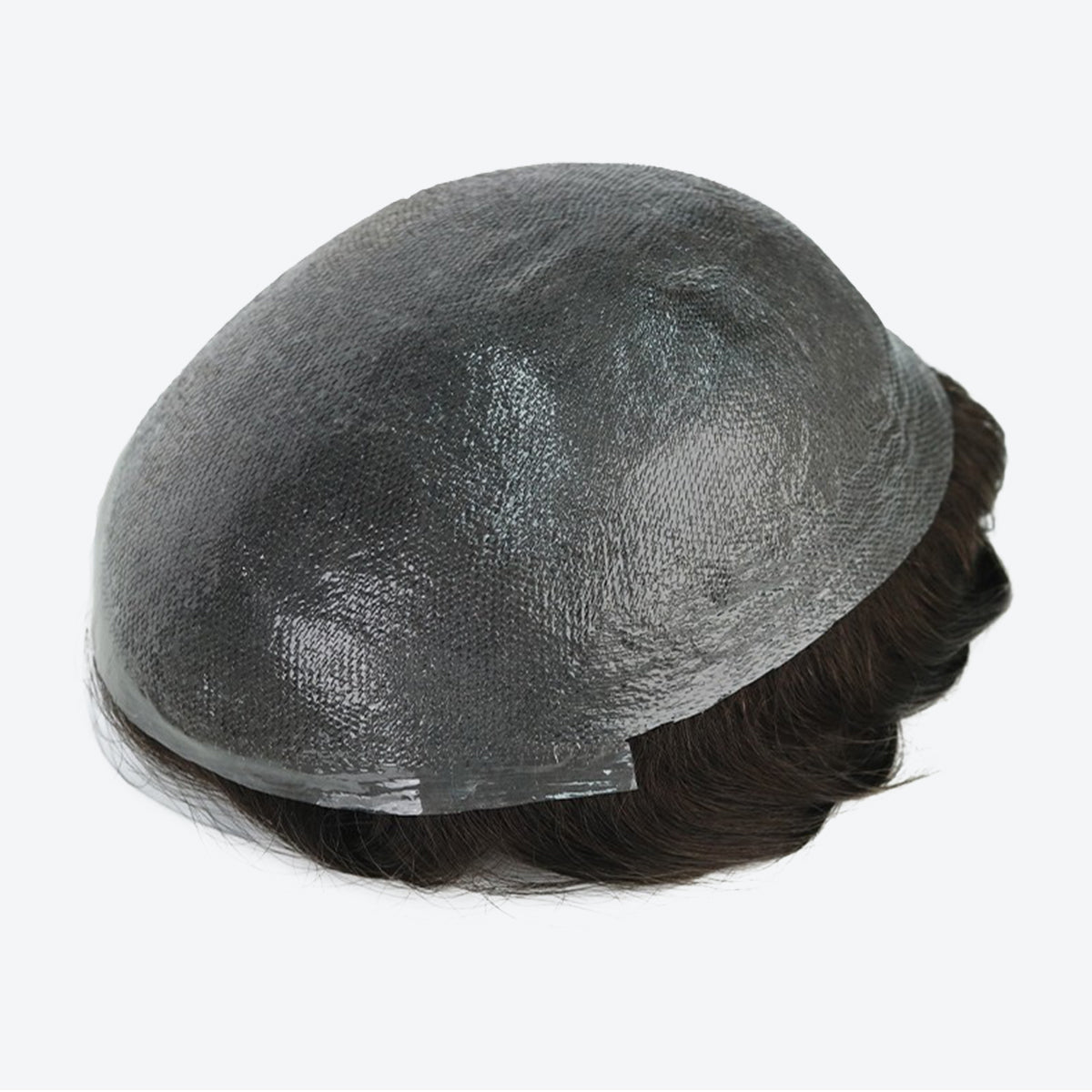
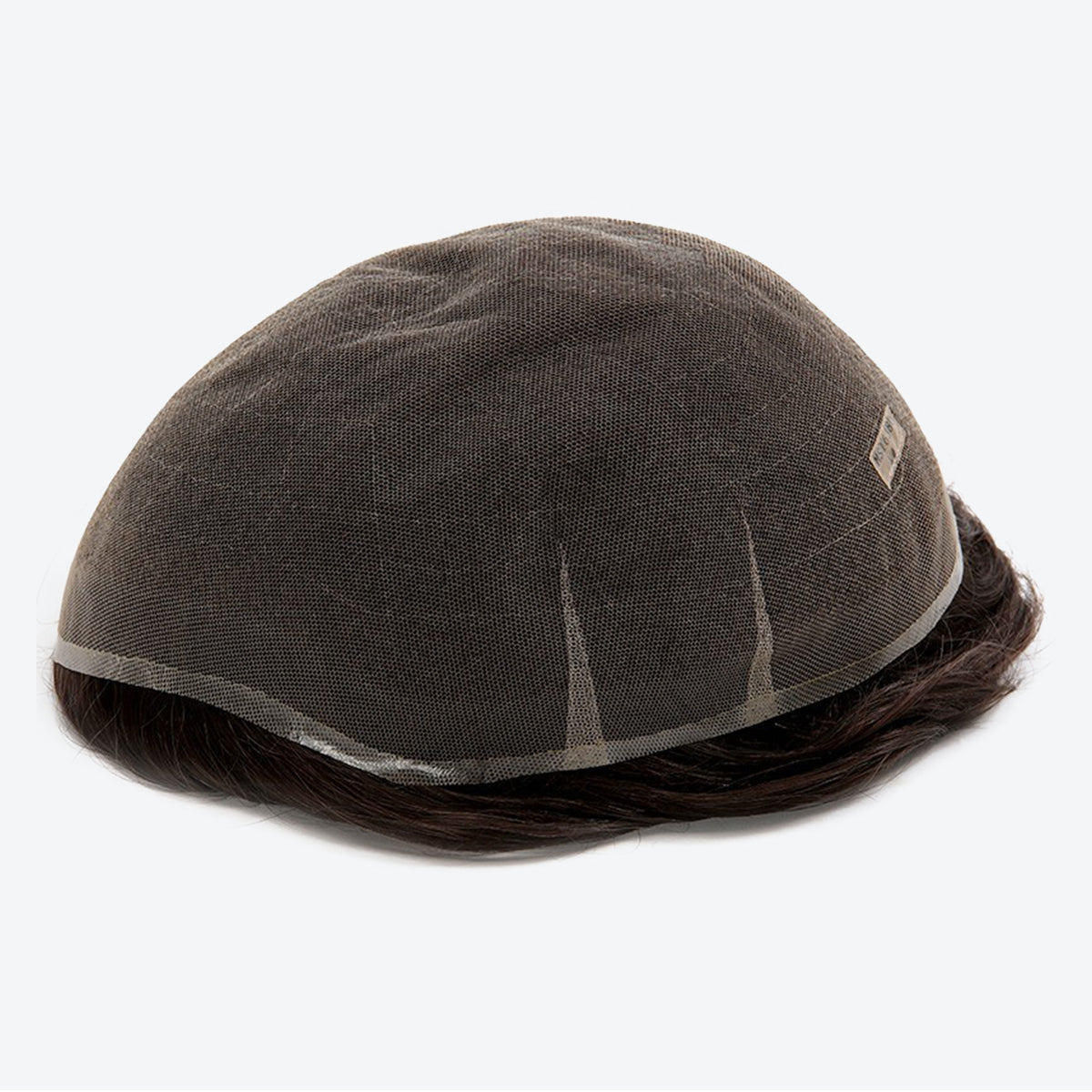
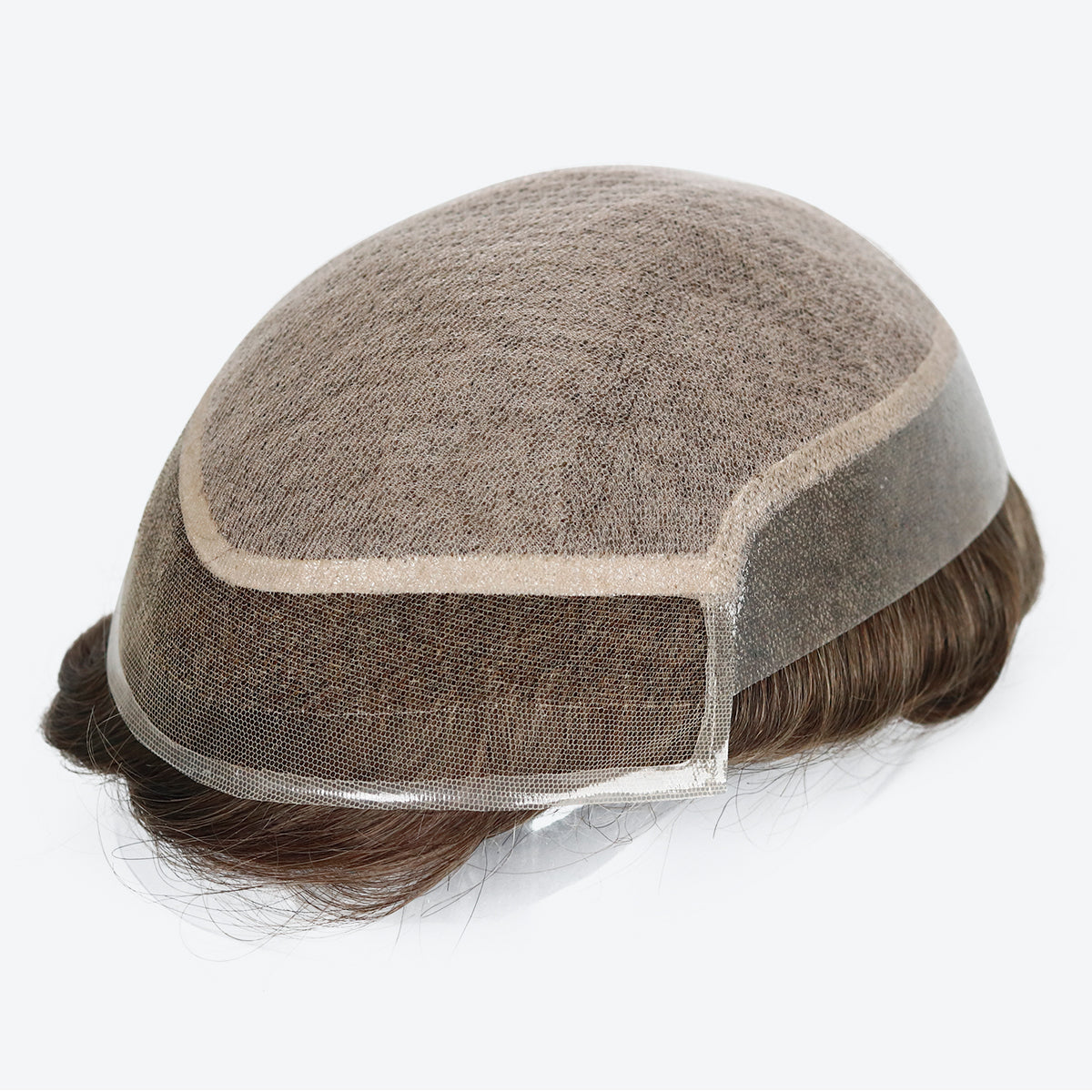
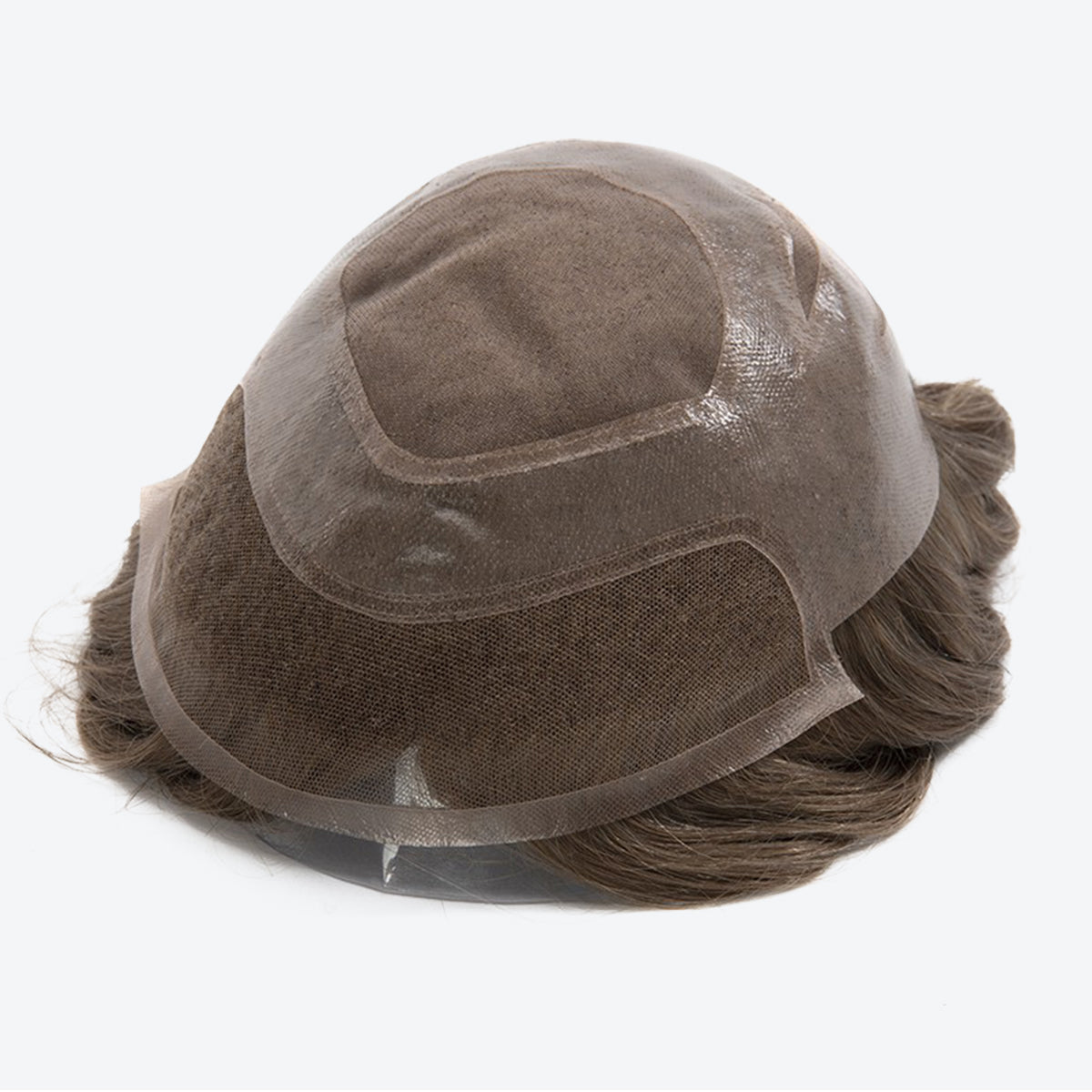
A hair patch is a non-surgical hairpiece that bonds to your scalp to cover thinning or bald areas. A big part of its appeal is how quickly it changes your look: unlike hair transplants, which usually take months to settle and may not show full results for 10 to 18 months, a hair patch gives you visible coverage right away. You may also hear people call it a hair system or non-surgical hair replacement. Each patch has a base that sits on your scalp and hair that can be human or synthetic. The base is usually lace, skin/polyurethane, or a blend of both. It stays in place with tape or liquid adhesive.
At a typical install, the stylist cleans the area, sometimes trims or lightly shaves it for a flatter bond, customizes the base to the shape of your thinning area, blends the hair, and cuts it to your style so you leave with coverage you can wash and style like your own. Before you book, measure the thinning area with a soft tape and think about your climate and activity level because these two details guide your base and adhesive choices.
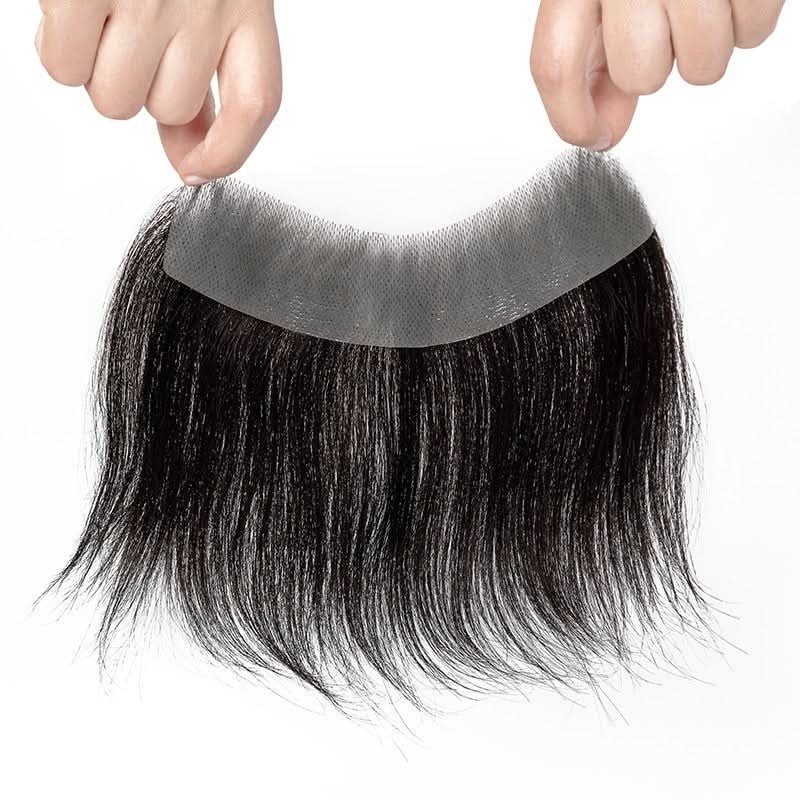
Who should consider Hair Patches
Hair patches are a good option if you want results now, have pattern hair loss or patchy thinning, and can handle regular maintenance every one to four weeks. They are less ideal if your skin reacts easily to adhesives or if you want something you can set and forget. Decide what matters most to you—instant result, lowest upkeep, or lowest cost—and think about whether you prefer DIY maintenance at home or scheduled salon visits, since that choice shapes both your routine and your budget.
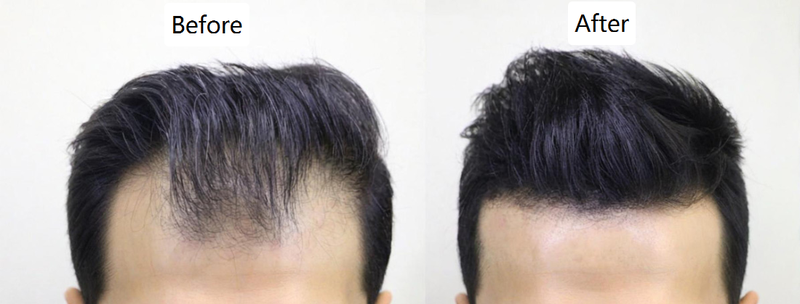
Hair Patch Before and After
Hair Patches: Pros and Cons
Pros
The biggest benefit is immediate, natural-looking coverage. You can customize the cut, density, and color to match your style, and you avoid surgery and medical downtime. A patch is also reversible, which helps if you want flexibility or you are still figuring out your long-term plan.
Cons
You will need ongoing maintenance for removal, cleaning, and reattachment. Some people experience skin irritation from tapes or glues. Costs rise over time because you replace supplies and eventually the unit. Heavy sweat, heat, or water can shorten hold time if you skip prep or cure steps.
Hair Patch Pros and Cons at a Glance
| Pros | Cons |
|---|---|
| Immediate coverage for thinning or bald areas | Requires ongoing maintenance and reattachment |
| Natural-looking result when matched well | Some users may experience irritation from adhesives |
| Non-surgical and no medical downtime | Costs can add up over time |
| Reversible and customizable | Sweat, heat, and water can reduce hold time |
Quick decision helper
Choose a hair patch if you need confidence now and are comfortable with a short monthly routine. Look at other routes if you want very low maintenance or if you have a history of adhesive reactions and do not want to experiment with skin protectors and patch tests.
If you are also comparing a targeted hair patch with a larger top-coverage option, read our guide: Hair Patch vs Toupee: What’s the Difference and Which One Should You Choose?
Will it fit your daily life
Hair patches work well with busy schedules when you respect two rules. Let new bonds cure fully before hard workouts, hot yoga, or swimming, and plan rebond days around the times you are most active. After pools or the ocean, rinse and condition the hair so it stays soft and clean. If you live in a hot or humid area, a breathable lace front or full lace base usually feels cooler and reduces itch. A small “go kit” with alcohol wipes and a spare strip of tape in your gym bag can save you from surprises.
Choose the right setup
Pick a base
Choosing the right base is one of the most important parts of picking a hair patch. It affects how natural the patch looks, how breathable it feels, how easy it is to clean, and how well it fits your daily routine. In most cases, the main options are lace, skin/PU, and hybrid bases.
| Base Type | Pros | Cons | Best For |
|---|---|---|---|
| Lace | Breathable, lightweight, natural-looking hairline | Requires more careful cleaning and gentler handling | People in hot or humid climates, active lifestyles, or anyone who sweats more |
| Skin / PU | Easy to clean, smooth finish, clean edge appearance | Less breathable and can feel warmer in summer | People who want easier maintenance and a more polished look |
| Hybrid | Balances natural appearance with easier upkeep | Can be more complex in structure or slightly higher in cost | People who want a mix of realism, comfort, and practicality |
As a general rule, lace is great for breathability and a softer, more natural feel, while skin/PU is often preferred for easier cleanup and a sharper finish. A hybrid base offers a middle ground, which makes it a strong choice for first-time wearers who want balance rather than extremes.
Choose an attachment
Tape is popular with lace because removal is cleaner and short to medium holds are simple to manage. Liquid adhesive can give longer holds and works well with skin or PU bases, especially for people who want fewer reattachments. If you value quick refreshes and easy cleanup, start with tape. If you want extended wear, test a mild liquid adhesive and see how your skin responds.
Match size and look
Trace the thinning area on paper or capture clear photos so a stylist can trim the base accurately. Match the density to the sides and back of your own hair so the top blends. Check color outdoors in daylight and bring reference photos of how you like to wear your hair. Decide whether you want a soft, natural hairline or a slightly lower line that changes your look.
Simple maintenance routine
Plan your removal and rebond before edges start to lift. Clean the scalp with adhesive remover or alcohol, wash away residue, and dry the area completely. If you tend to get red or itchy, apply a scalp protector and let it set. Reattach with fresh tape or adhesive and press firmly along the hairline and crown so the bond seats evenly. Give the bond its full cure time before heavy sweat or water. A confident DIY rebond usually takes thirty to sixty minutes once you know the steps, while a salon visit often runs forty-five to ninety minutes depending on services. Keep gentle shampoo and conditioner, remover, alcohol pads, scalp protector, and your chosen tape or glue on hand so the process stays smooth.
Need a hair patch? We can help
If you’re ready to take the next step, our team at LaVivid Hair offers friendly, one-on-one guidance and true customization so your hair patch fits your life—not the other way around. We’ll help you choose the right base (lace, skin/PU, or hybrid), match color and density to your own hair, size the base to your thinning area, and pick an attachment method that suits your climate, skin, and activity level. You’ll also get clear maintenance tips tailored to your routine so the result looks natural and stays comfortable day after day.
Explore our collection at Hair Patch. You’ll find a broad range of base options for breathability or easy cleanup, natural-looking hairlines, made-to-measure sizing, color-matching support, and responsive customer service from real specialists who understand everyday wear. If you’d like personalized recommendations, reach out through the site and tell us about your goals, environment, and schedule—we’ll tailor a simple plan and suggest the best options for you.
Common problems and quick fixes
Edge lift or slipping
This usually comes from oil, sweat, or touching the hairline. Clean the edge, add a small piece of fresh tape or a thin layer of adhesive, and press the area until it seals. Degrease the skin well at the next install and avoid fiddling with the hairline during the week to prevent repeat lift.
Itch, rash, or bumps
Sensitive skin, heat, and trapped sweat are the usual triggers. Remove the unit, clean gently, allow the skin to rest, and switch to milder products. Patch test new tapes and glues on a small spot before full wear, use a scalp protector if you are prone to irritation, and shorten wear cycles during hot weather. See a dermatologist if irritation returns or worsens.
Odor or buildup
Oils, sweat, and leftover product can cause smell and shorten hold times. Do a full removal and deep clean, allow the base and scalp to dry completely, and then reattach. Sticking to your schedule and letting the base air out for a few minutes after cleaning keeps buildup under control.
Color fade or dryness
Sun, chlorine, and salt water roughen hair and fade color. Use a UV-protective leave-in, wet the hair with fresh water before you swim, rinse right after, and apply a moisturizing conditioner. If color shifts, ask your stylist about a light tone or refresh.
Conclusion
A hair patch can restore the look you want right away and give you full styling freedom. In return, it asks for a simple routine and choices that match your skin, climate, and lifestyle. If you plan your rebonds, pick a base and adhesive that fit your day-to-day, and protect your skin with smart prep, you can keep the result fresh with less time and stress. Your next step is straightforward: book a consultation or trial install, test your adhesive on a small spot, and put a recurring maintenance date on your calendar so your look stays consistent.
More Reading: How Long Does a Hair Patch Last?
FAQ
1. Do hair patches look natural?
Yes. A hair patch can look very natural when the size, density, color, and hairline are matched correctly. A good cut and proper blending with your existing hair make the result even more realistic. Many people are surprised by how natural a well-fitted hair patch for thinning hair can look in everyday life.
2. Can I wash and style a hair patch like my own hair?
In most cases, yes. Many hair patches can be washed, blow-dried, and styled, especially those made with human hair. Using gentle products and avoiding excessive heat will usually help the hair stay in better condition for longer. With the right care routine, you can treat it much like real hair, which is why people often search for how to wash and style a hair system daily.
3. How often does a hair patch need maintenance?
That depends on the base type, adhesive, skin oil, sweat level, and your day-to-day routine. Some people need touch-ups more often, while others can go longer between reapplications. The key is to maintain it before the bond starts to weaken, which is part of a normal hair system maintenance routine and varies from person to person.
4. What is the difference between a hair patch and a hair transplant?
A hair patch is a non-surgical solution that gives you immediate coverage for thinning or bald areas. A hair transplant is a surgical procedure that requires healing time and takes much longer to show full results. If you want an instant cosmetic change without waiting months, a hair patch is often preferred over a transplant, especially for those comparing hair patch vs hair transplant options.

