


Hair replacement system reviews are useful when they help you compare product type, fit, appearance, comfort, and upkeep. They are less useful when they rely on a rating, a single photo, or a promise that one system will work for everyone.

Many people are not sure whether to choose a stock system, a custom-made system, or even which brand details matter. That is normal. If you are not sure where to start, begin with the base, coverage, color, density, and maintenance routine described in the review. Take your time; one review should inform your shortlist, not make the decision for you.
In our experience, the clearer path is to match the system to the wearer rather than search for a universal winner.
Quick Answer
The most useful hair replacement system reviews explain exactly what was worn and under which conditions. Look for the base type, base size, hair material, color, density, texture, coverage area, installation context, and maintenance routine. Human hair can provide more cutting and styling flexibility, but the final result still depends on fit, blending, and care. Stock systems may suit common specifications, while custom systems provide more control when measurements or preferences are specific. Compare brands by the choices and support they provide, not by broad claims alone.
Quick Takeaways
- Compare skin, lace, hybrid, and other base constructions by trade-offs, not by one overall rating.
- Confirm whether a review covers a stock or custom system before applying it to your decision.
- Human hair matters, but fit, color, density, cut-in, and maintenance shape the final appearance.
- A useful brand gives you clear specifications, realistic options, and support after selection.
- Review the total routine and current product details before comparing price or value.
What Types of Hair Replacement Systems Do Reviews Cover?
Reviews commonly discuss either stock systems or custom-made systems. Both can use human hair and both can create a natural-looking result when the specifications fit the wearer, but they solve different buying needs.
| System type | What it offers | May fit you when | Main trade-off to review |
|---|---|---|---|
| Stock hair system | Preconfigured base designs, sizes, colors, densities, and textures | Your needs fall within available specifications and you want a more direct starting point | The base may still need trimming, cutting, and blending |
| Custom hair system | Specifications built around measurements and selected details | You need closer control over contour, size, density, color blend, curl, or hair direction | More decisions are required before the order is finalized |
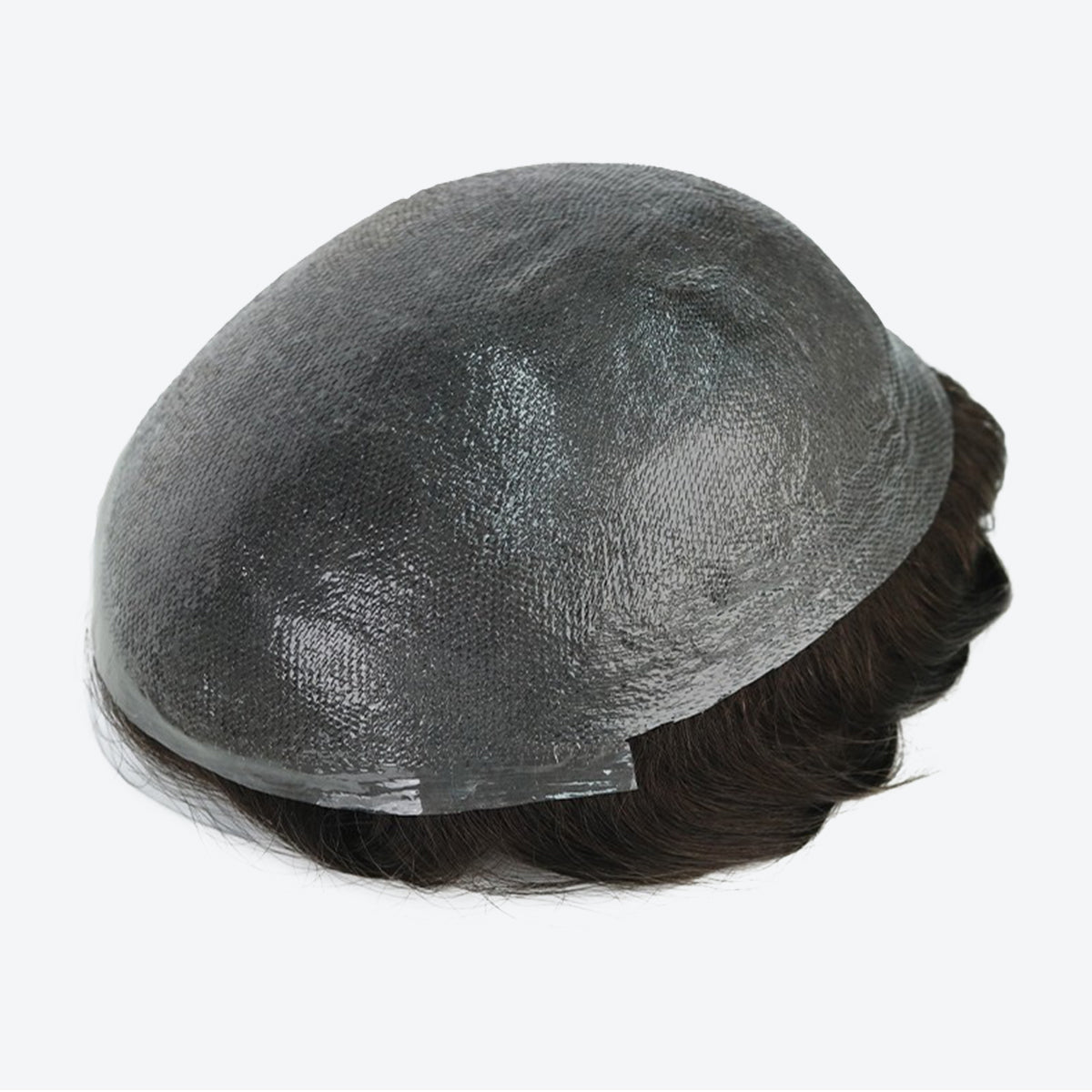
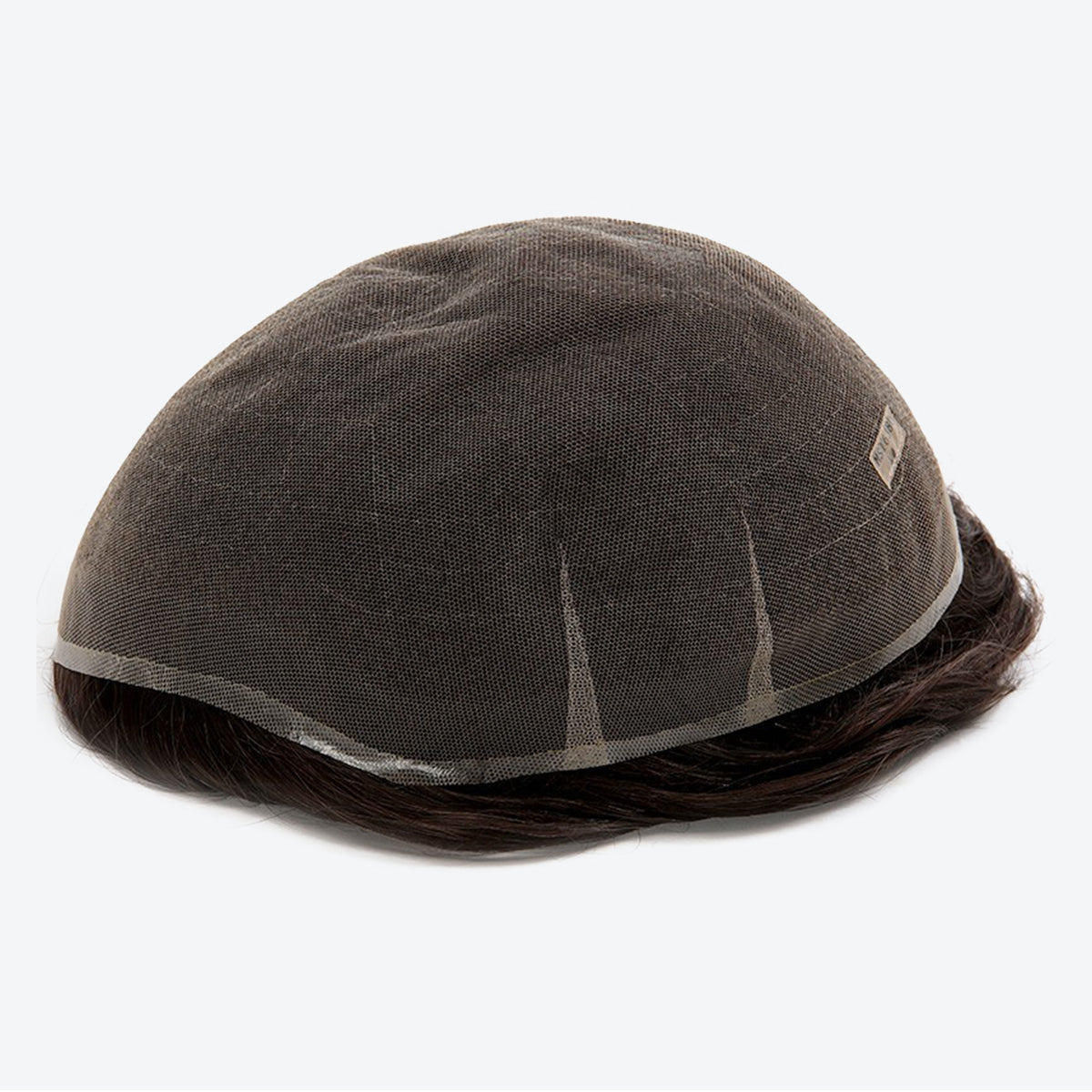
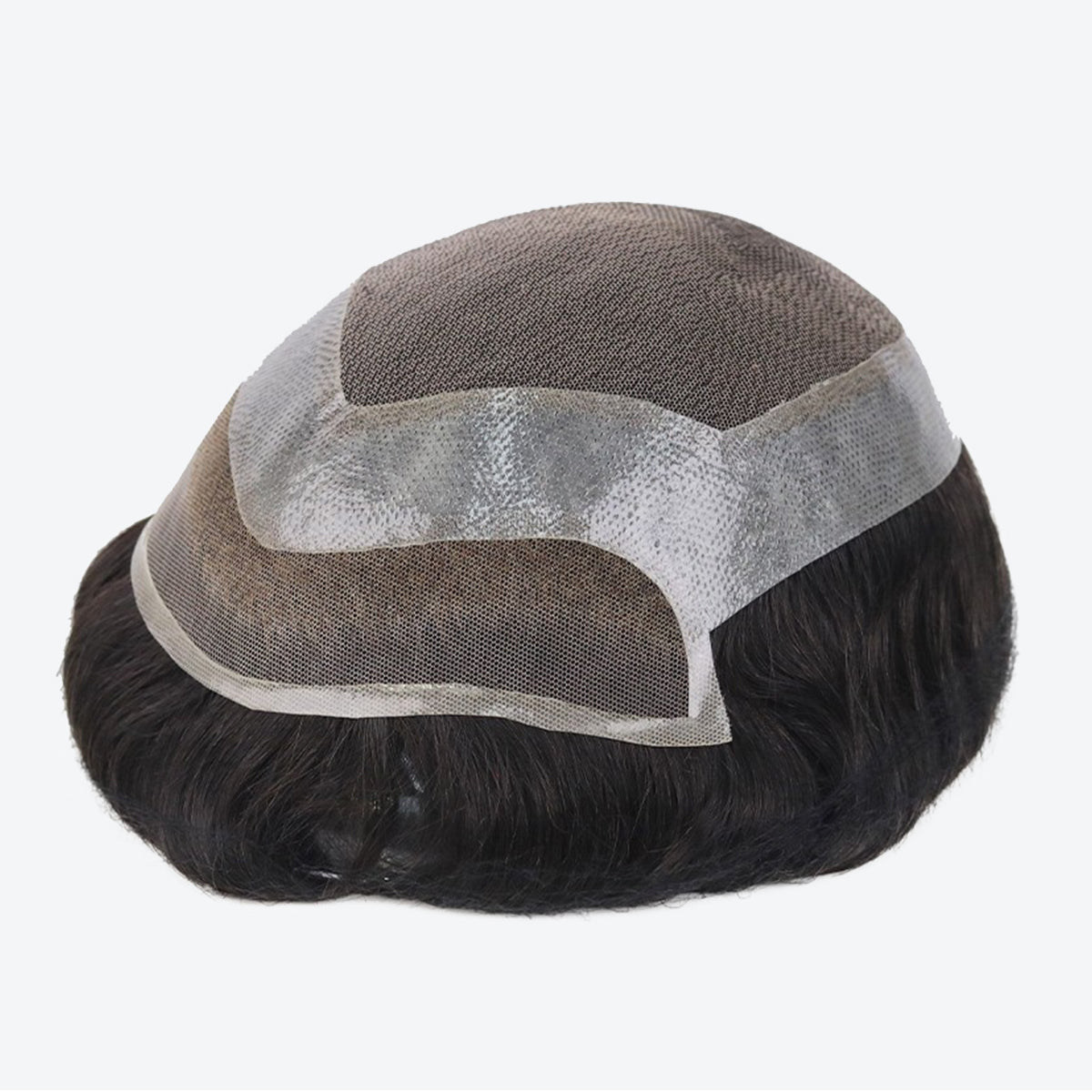
Base construction is another important distinction. Skin or poly bases may prioritize a scalp-like appearance and straightforward cleanup. Lace bases may prioritize airflow and a light feel. Hybrid bases combine zones to balance different priorities. No base is automatically right for every wearer; the relevant question is whether its trade-offs fit your routine.
What Makes a Human Hair System Different?
Human hair is important because it can be cut, blended, and styled by a stylist to work with the wearer's side and back hair. It can also support a wider range of styling adjustments than a fixed, pre-shaped look.
However, “100% human hair” is not a complete quality judgment on its own. A review should also show whether the color, gray percentage, density, texture, and length suit the wearer. The base placement and cut-in matter as well. Even a well-made unit can look mismatched if the specifications do not align with the surrounding hair.
Human hair also requires care. Washing, conditioning, detangling, heat exposure, and daily styling can affect how it feels and behaves over time. A helpful review discusses that routine instead of treating human hair as maintenance-free.
Which Four Qualities Should a Review Help You Evaluate?
The original reasons people consider a higher-quality hair system remain valid, but they should be judged with context.
1. Natural-Looking Appearance
Look for ordinary-light photos showing the front, top, sides, and back blend. Natural-looking results usually come from several choices working together: base design, hairline placement, color, density, texture, and the stylist's cut-in.
2. Comfort
Comfort depends on base construction, climate, activity level, scalp response, fit, and maintenance timing. Give more weight to reviews from wearers whose daily conditions resemble yours.
3. Personalization
The system should work with the coverage area and desired hairstyle rather than forcing every wearer into the same look. Reviews are more useful when they identify measurements, density, color, curl or wave, and hair direction.
4. A Repeatable Daily Routine
The practical question is not simply whether the system stayed in place for one event. It is whether the wearer could repeat the cleaning, styling, and maintenance routine comfortably. Over time, a stable routine often matters more than an enthusiastic first impression.
How Should You Compare Hair Replacement System Brands?
Compare brands by the information and decision support they make available. A strong brand review should help answer the following questions.
| Brand-review question | Evidence worth looking for | Warning sign |
|---|---|---|
| Are the materials and base construction identified? | Named base type, hair material, dimensions, and construction details | Vague “premium technology” wording |
| Can you choose specifications that affect the result? | Color, density, texture, size, length, and styling information | One result presented as suitable for everyone |
| Are stock and custom paths clearly separated? | Explanation of when each route may fit | Custom described as automatically superior |
| Is support available for the next step? | Measurement, installation, selection, or maintenance guidance | Promotion without practical guidance |
| Are trade-offs explained? | Appearance, airflow, durability, fit, and upkeep discussed together | Only advantages are mentioned |
Reviews should support these facts with specific order details and photos. A brand name alone cannot tell you whether the system will match your coverage, lifestyle, and maintenance preferences.
How Do We Help You Narrow the Choice?
On our men's collection page, you can narrow the options by base type, base size, density, curl or wave pattern, hair type, and lifestyle. This makes it easier to compare skin or poly, lace, hybrid, and other constructions using the same criteria. The filters are a starting point, not a substitute for checking the specifications on an individual product page.
The systems in our current men's collection use 100% human hair. Available sizes, textures, densities, shades, and other specifications vary by system. If a stock configuration already fits your requirements, there may be no reason to add the extra decisions involved in a custom order. If it does not, the custom path gives you more control over measurements, density, color blend, curl, and hair direction.
If you narrow the list to two or three plausible options and still feel unsure, our support team can help you compare coverage size, color needs, daily routine, installation, and maintenance. That conversation is most useful after you have identified your priorities; it should clarify the trade-offs, not replace your judgment.
When Does Stock or Custom Make More Sense?
Start with stock when the available base size, color, density, texture, and construction are close to what you need. A stock base can often be trimmed and then cut in by a stylist, which may provide a simpler starting path.
Consider custom when your measurements, contour, color blend, gray percentage, curl, density, or hair direction fall outside standard configurations. Customization offers more control, but it does not remove the need for accurate measurements, realistic expectations, installation, blending, and ongoing care.
If your specifications are unusually precise, compare LaVivid's custom hair system options separately from stock-system reviews.
Are Real Human Hair Systems Expensive?
There is no reliable universal price for a real human hair system. Cost can change with base construction, hair material, size, length, density, customization, services, and included options. Current offers and availability can also change, so an old review may not reflect today's total.
When comparing value, ask what the reviewer actually paid for:
- The hair system and selected specifications
- Customization or base preparation
- Professional cutting, blending, or installation
- Products and tools needed for the maintenance routine
- The expected replacement and service pattern
A higher price does not automatically mean a better fit. The more useful question is whether the specifications and routine match your priorities closely enough to justify the total cost.
How Should You Use Reviews Before Ordering?
Use reviews as evidence, then verify the current product information yourself. This seven-question check keeps the process focused:
- Does the review identify the exact system or base construction?
- Does it state whether the order was stock or custom?
- Are base size, color, gray percentage, density, and texture explained?
- Do photos show multiple angles in normal lighting?
- Does the reviewer separate the unit from the stylist's cut-in and blending work?
- Are comfort and maintenance conditions described?
- Does the reviewer's lifestyle resemble yours closely enough to make the experience relevant?
Once you know your priorities, compare men's hair systems by base, density, size, and lifestyle. You do not need to choose immediately; the goal is to narrow the field with fewer assumptions.
FAQ
Which hair replacement system reviews are most trustworthy?
The most trustworthy reviews identify the exact system, base, specifications, installation context, and maintenance routine. Multiple ordinary-light photos and a later update are more informative than a rating or one first-day image.
Do the systems in LaVivid's men's collection use human hair?
Yes. The systems in our current men's collection use 100% human hair. Check the individual product page before ordering because hair type, length, texture, color, and available specifications can vary by system.
Is a custom-made hair system always better than a stock system?
No. Stock may fit when standard specifications meet your needs. Custom may be useful when you need closer control over measurements, contour, density, color blend, curl, gray percentage, or hair direction. The better route is the one that fits your requirements without adding unnecessary complexity.
Can a human hair system be cut and styled?
Yes. Human hair systems can be cut, shaped, and styled, but the final result also depends on the base placement and how the system is blended with existing side and back hair. Professional cut-in support can be useful, especially for a first system.
How much should I expect to pay for a hair replacement system?
Price depends on construction, hair specifications, size, length, customization, services, and care needs. Compare the current product configuration and total routine rather than relying on a price quoted in an older review.
Compare the Options That Fit Your Routine
The right review should leave you with clearer questions, not pressure. Compare the available specifications, identify the trade-offs you can live with, and choose only when the system and routine make sense together.


