


Choosing your first hair system can feel a bit overwhelming at the beginning. There are so many options, technical terms, and styling choices that it’s easy to get confused. But once you break it down, it’s actually much simpler. In most cases, you only need to focus on three key things: base type, hair density, and color match.
What really makes a natural look isn’t any single factor on its own—it’s how these three work together. In this guide, we’ll walk you through a straightforward, beginner-friendly process to help you choose your first system with confidence.
Step 1 – Choose the Right Base Type
What is a Hair System Base?
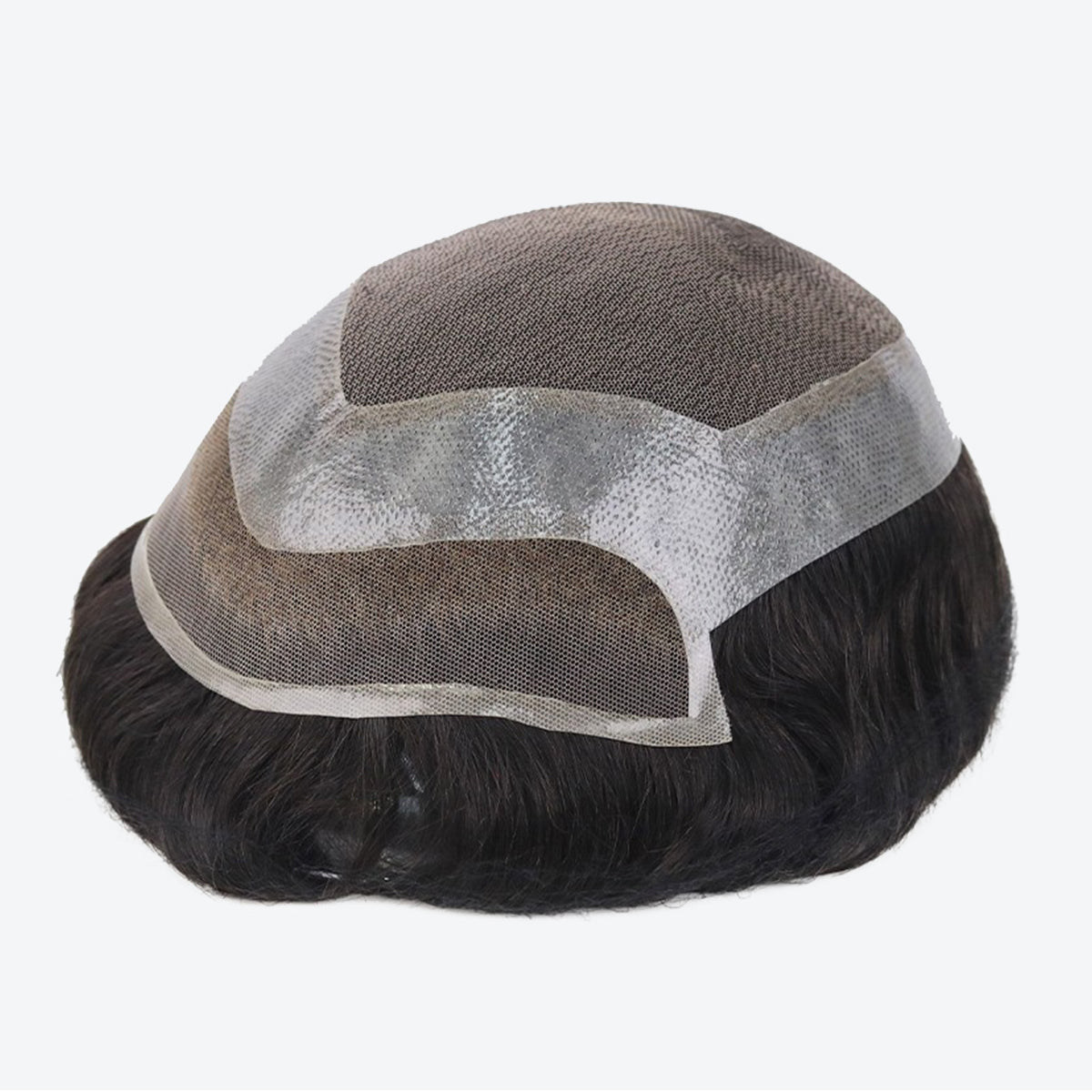
The base is basically the foundation of your hair system. It’s the part that sits directly on your scalp and holds all the hair in place. And it plays a big role in how natural it looks, how comfortable it feels, and how easy it is to wear day to day.
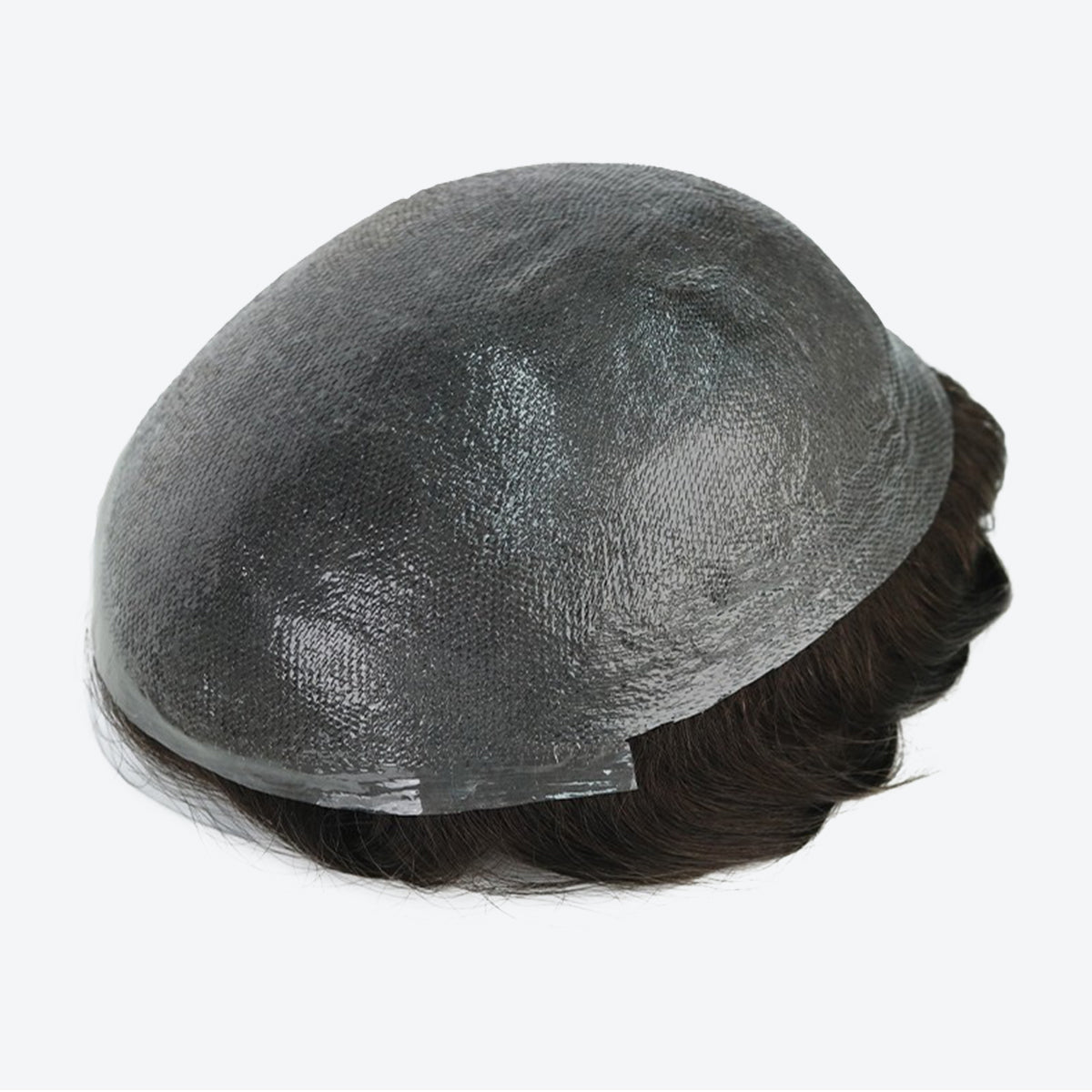
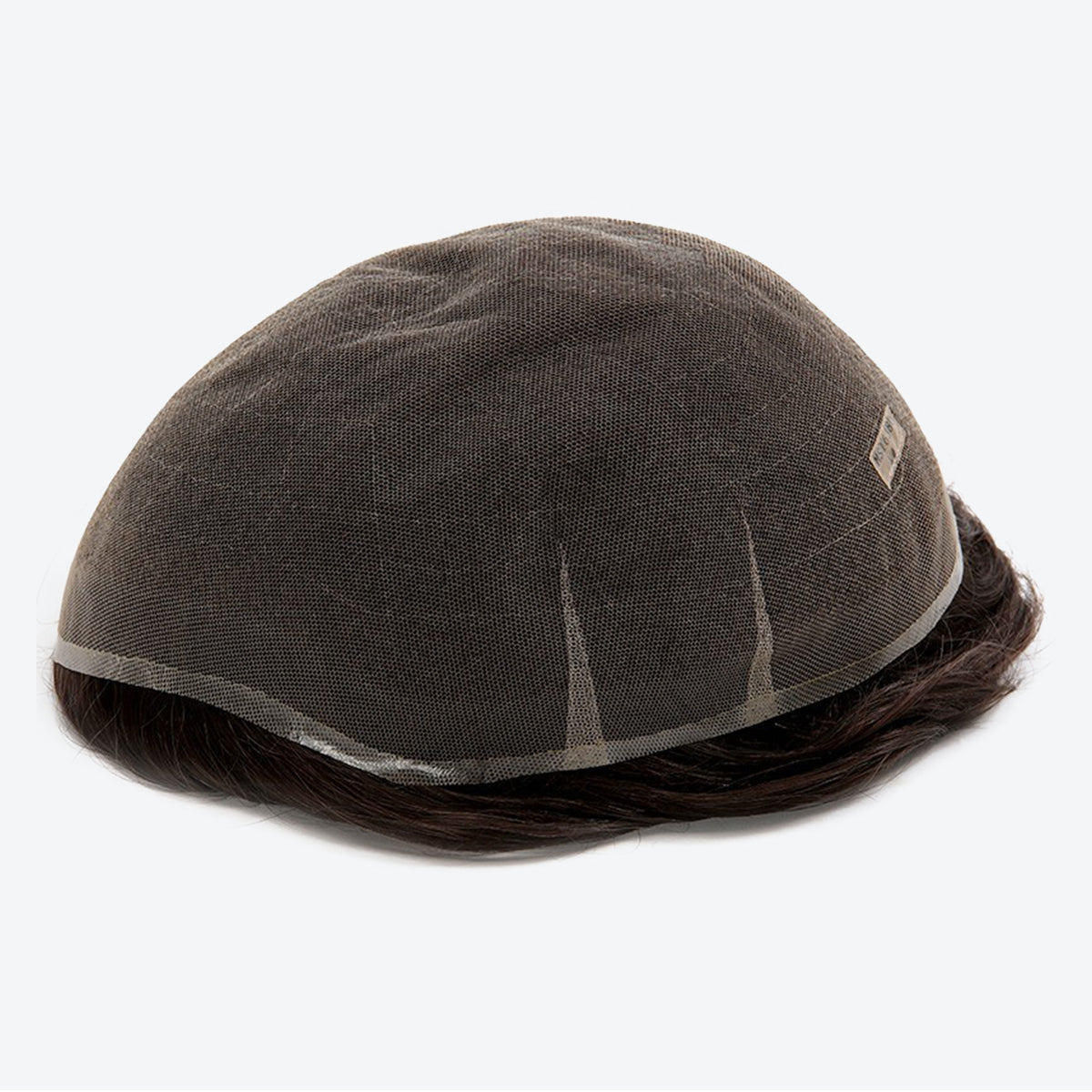
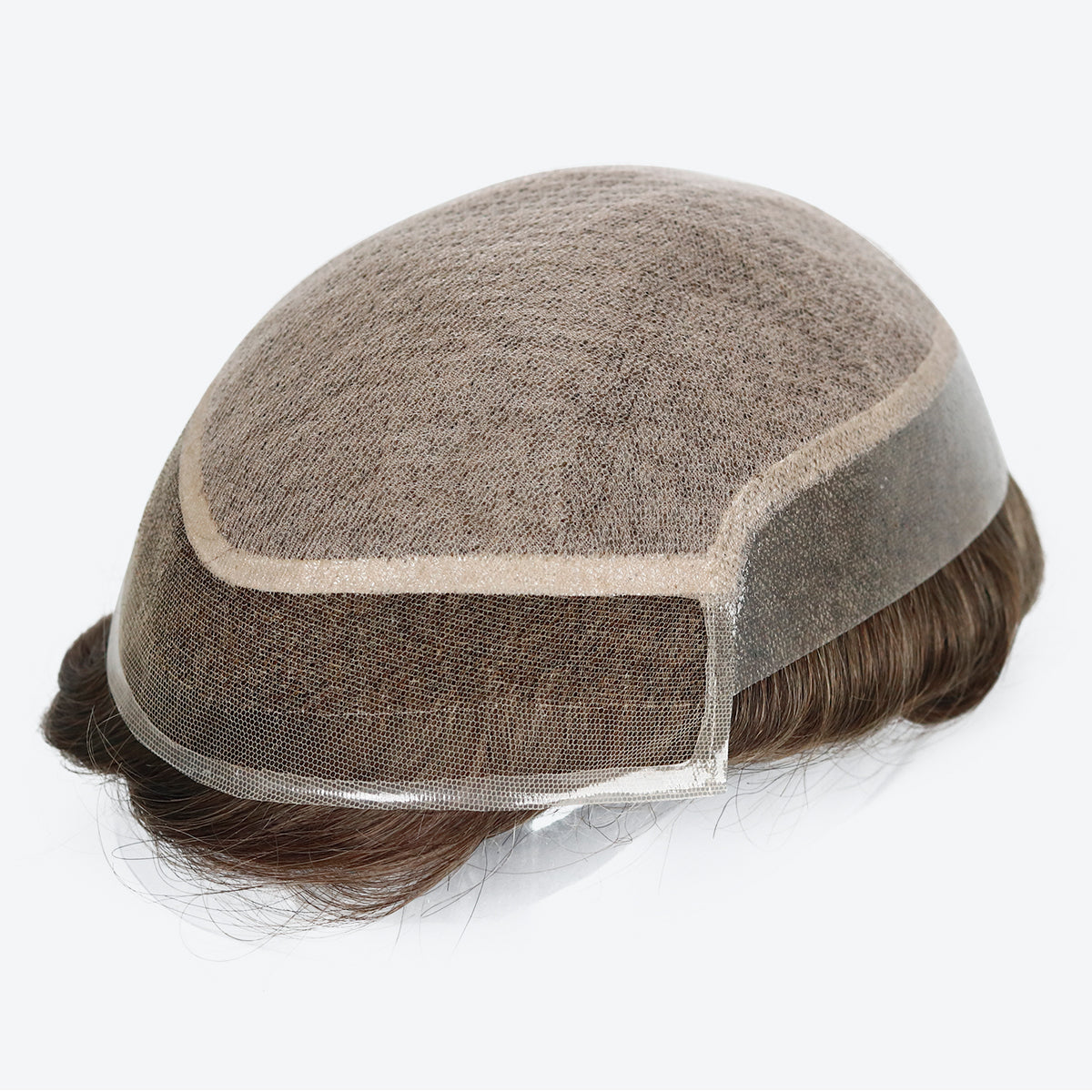
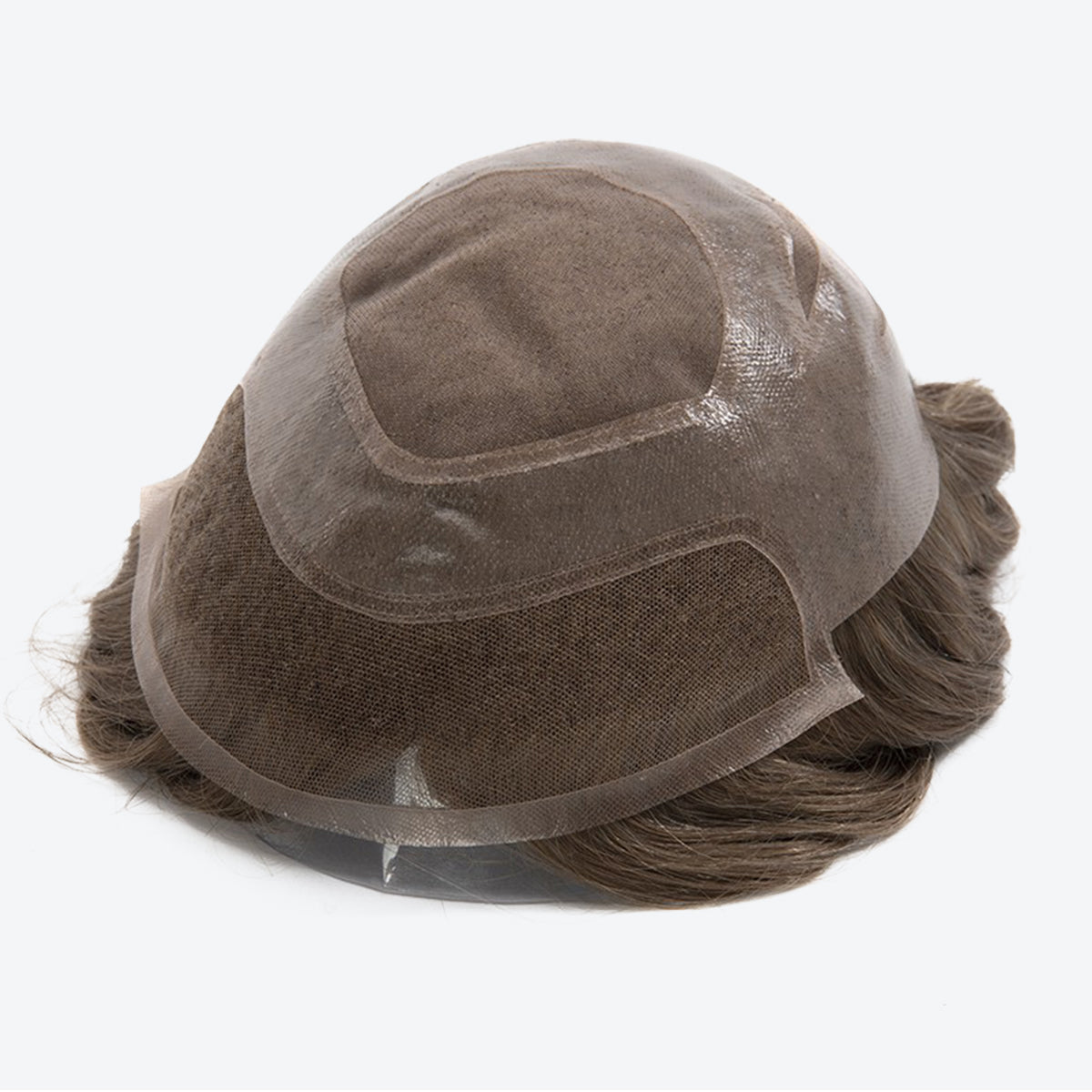
There are a few common types you’ll come across—lace, skin (poly), mono, silk, and hybrid bases. Each one has its own balance of realism, breathability, and durability.
Simply put, the base is what everything else is built on. It quietly shapes how your system looks and feels in real life, even if it’s not something you think about at first.
Hair System Base Types Comparison
| Base Type | Pros | Cons | Best For |
|---|---|---|---|
| Lace | Very natural hairline, lightweight, highly breathable | Less durable, requires careful maintenance | Users who want a natural hairline and comfort in warm climates |
| Skin (Poly) | Realistic scalp look, easy to attach and clean, beginner-friendly | Less breathable, can feel warmer | Beginners and users who want an easy, low-maintenance option |
| Mono | Durable, natural-looking, good airflow | Slightly less natural than lace at the hairline | Users who want balance between durability and natural look |
| Silk | Very realistic scalp appearance, hides knots well | Less breathable, heavier feel, higher cost | Users who prioritize the most natural scalp illusion |
| Hybrid | Balanced performance, combines strengths of multiple bases | More complex design, slightly higher cost | Users who want a balanced, all-in-one solution |
Which Base Should You Choose?
The best hair system base really depends on your lifestyle, comfort level, and how natural you want the result to look. There is no single perfect option, only the one that fits you best.
- If you want something easy to use with a realistic scalp appearance, Skin (Poly) is a good choice. It is beginner-friendly, low-maintenance, and looks very realistic from a distance.
- If your main focus is a natural-looking hairline and better breathability, Lace is often the preferred option. It is lightweight, natural-looking, and works especially well in warm climates.
- If you want a balance between durability and a natural finish, Mono is a solid option. It is stronger than lace, still maintains a natural appearance, and provides good airflow for daily wear.
- If you want the most realistic scalp appearance, choose Silk. It provides the best invisible scalp effect, but it is less breathable and slightly heavier.
- If you want a balance of everything, choose Hybrid. It combines lace, skin, or mono materials to balance realism, comfort, and durability.
Once you choose your base, the next step is deciding how full your hair should look.
Step 2 – Choose Hair Density (Men’s System Guide)
What is Hair Density?
Hair density means how thick or full the hair looks on a hair system. It is simply the number of hair strands added to the base. Higher density looks fuller and thicker, while lower density looks lighter and more natural.
In men’s hair systems, density is usually shown in percentages like 80%, 100%, or 120%. Choosing the right density is important because it affects how natural the hair looks when it blends with your own side and back hair.
In short, hair density is about matching your natural look, not just adding more hair.
Hair Density Men’s System Guide
80% – 90% Density (Light / Natural)
- soft and natural appearance
- Best for mature users or thin natural hair
- Blends easily with existing hair
Recommended for beginners who want a realistic everyday look.
100% – 110% Density (Medium / Standard)
- The most common choice
- Balanced fullness and realism
- Works well for most face shapes and ages
This is the safest “first system” option.
120% – 130%+ Density (Heavy / Full Look)
- Very thick and stylized appearance
- More volume and styling flexibility
- It can look unnatural if mismatched with side hair
Best for younger users or strong fashion styling.
Common Mistakes in Density Selection
Choosing the right hair density is not always easy, and many beginners make the same mistakes. One common mistake is choosing a density that is too high, which can make the hair look unnatural and too heavy compared to the side and back hair. Another mistake is ignoring your natural hair density and picking a style based only on online photos, which often look thicker than real life. Some users also choose the same density as someone else without considering age, face shape, or lifestyle, which can lead to an unbalanced look. In general, the key mistake is focusing on “more hair” instead of “natural balance.”
Step 3 – How to Color Match Your Hair System
Why Color Matching Matters
A good color match should blend smoothly with your side and back hair, especially under natural light. If the color is too dark or too light, it can create a clear contrast and make the system noticeable.
Understand Hair Color Levels
Hair systems are usually categorized into Black, Brown (Dark Brown, Medium Brown, Light Brown), Blonde, and Gray. “Black” is not always the same. Many people actually need soft black instead of pure jet black, because soft black blends more naturally with real hair and avoids a harsh or artificial look.
How to Color Match Hair System Correctly
Compare Under Natural Light
Indoor lighting can distort color. Always check your hair:
- Near a window
- Under daylight
- Without filters or camera effects
Match Side and Back Hair
The most important reference is not the top bald area. It is your side and back hair. These areas show your natural hair color. Matching them will help the hair system blend in more naturally.
Avoid Overly Dark Choices

If you are still unsure, you can also use a color ring for comparison. A color ring helps you directly compare different shades side by side, making it easier to find the closest match to your natural hair color.
Recommended Hair System Series for Beginners
Now that you understand base type, density, and color, the easiest way to choose is to look at complete combinations that work well together. Here are some beginner-friendly setups based on different needs:
Natural Everyday Look
Lace base with 90% density and soft black or dark brown color. This setup is lightweight, breathable, and creates a natural-looking hairline that blends easily with your own hair.
Recommended: Lace Hair Systems Collection

Best for: Natural appearance, everyday use
Clean Scalp Look
Skin (poly) base with 95% density and a natural color match. This option is easy to apply and clean, making it ideal for first-time users who want a simple routine.
Recommended: Skin (Poly) Hair Systems Collection
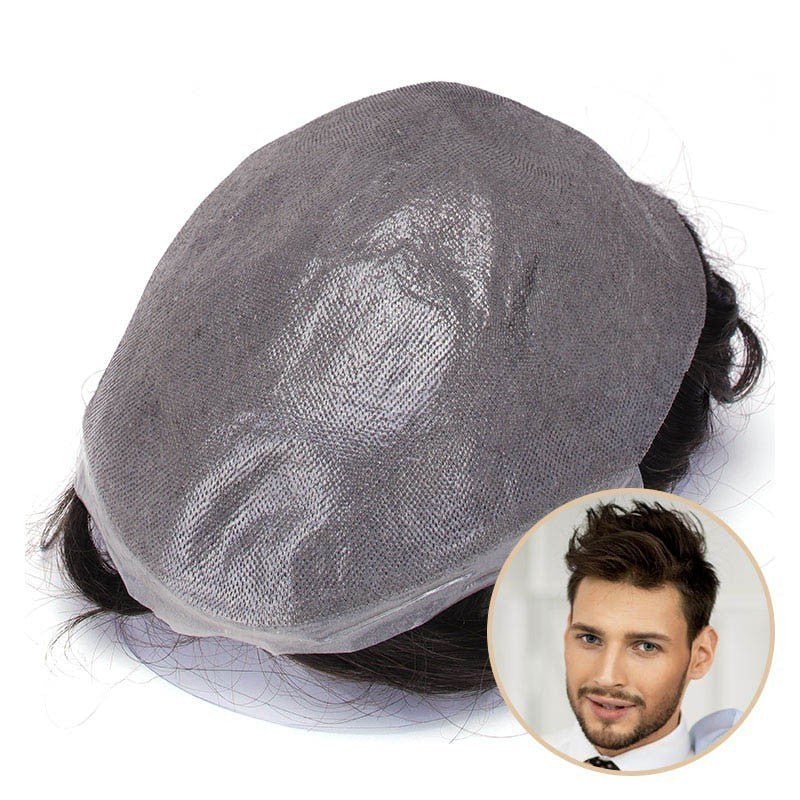
Best for: low maintenance
Balanced Daily Wear
Hybrid base with 100% density and soft black or dark brown color. This setup offers a mix of comfort, realism, and durability, making it a safe all-around choice.
Recommended: Hybrid Hair Systems Collection
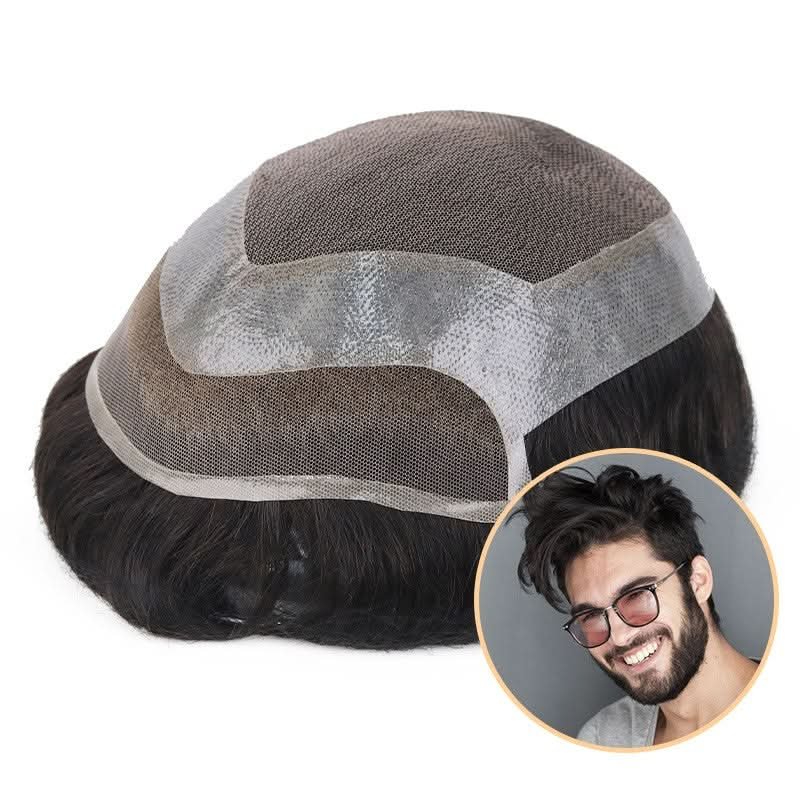
Best for: Beginners who want balance
FAQ
What base type looks most natural?
Lace systems are often considered the most natural for hairlines, while skin systems are most realistic for scalp appearance.
What density should beginners choose?
Starting with a medium light density is generally a safe bet, as it’s a popular choice for 90% of people.
Can I change hair system color later?
Yes. Hair systems can often be toned or dyed slightly, but it’s better to choose the correct base color initially.
Conclusion
Choosing your first hair system doesn’t have to be complicated. Once you understand how base type, density, and color work together, the whole process becomes much easier. The base affects how it feels and sits on your scalp. Density controls how full it looks. Color is what makes everything blend naturally.
A good result is not about picking the fullest or strongest option. It is about choosing what actually matches you. Start with a natural look, keep it balanced, and make small adjustments over time.

