


If you wear a man bun regularly, you may start to notice subtle changes over time, such as a slightly higher forehead, reduced density at the temples, or increased shedding around the hairline.
These changes are often linked to repeated tension on the hair, but not every case is caused by the same factor. Genetics, overall hair health, and styling habits can also contribute.
In this guide, we will break down why it happens, how to tell if your man bun is the cause, and what you can realistically do to fix or manage it.
What Is A Man Bun Receding Hairline?
A man bun receding hairline is when you start to notice thinning around the forehead and temples after regularly wearing your hair in a tight bun.
This is usually related to a condition called traction alopecia, which happens when the hair is repeatedly pulled in the same direction for a long period of time. Over time, that constant tension can put stress on the hair follicles.
The main issue is not the man bun itself, but the ongoing pulling force placed on the same areas of the scalp.
Why Does a Man Bun Cause Receding Hair Loss?
When you tie your hair into a tight man bun, it creates constant tension on the hair shafts and follicles.
Over time, this repeated pulling can lead to several changes, such as:
- Weaker hair follicles
- Gradual thinning along the hairline
- Increased stress on the forehead and temple areas
Because the hair is pulled backward, the front hairline usually takes the most pressure. That is why recession often starts there first.
This is also why many people notice what is often referred to as a receding hairline man bun pattern.
From a medical perspective, this condition is known as traction alopecia. It typically develops slowly, which means it often goes unnoticed in the early stages.
Is It the Man Bun or Genetic Hair Loss?
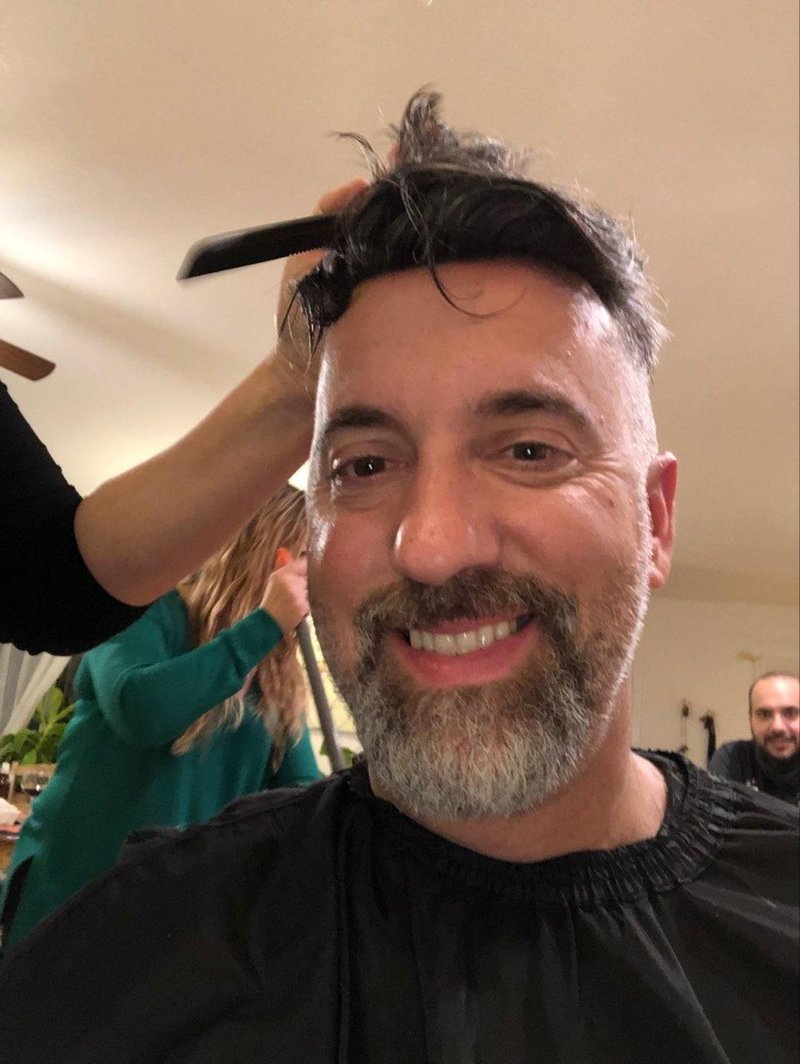
One of the most common concerns is whether hairline changes are caused by hairstyle tension or genetics. While both can produce similar visual patterns, there are some general differences that may help you understand what is happening.
| Factor | May Be Related to Traction-Related Hair Loss | May Be Related to Genetic Hair Loss |
|---|---|---|
| Main Area | Hairline and temples | Hairline and crown |
| Sensation | Sometimes mild tightness or discomfort after styling | Usually no physical sensation |
| Possible Cause | Repeated tension from tight hairstyles | Genetic sensitivity to DHT |
| Pattern | Often linked to stressed areas | More predictable long-term progression |
| Progression | May develop faster if tension continues | Typically gradual over years |
How to Treat Man Bun Receding Hairline
The most important step is to reduce or stop constant pulling on the hair.
1. Change Styling Habits
Avoid wearing extremely tight buns every day. Giving your hair regular breaks can significantly reduce stress on the follicles.
2. Support Hair Recovery
Some people may consider supportive options such as:
- Minoxidil, which is commonly used to support hair regrowth in certain types of hair thinning
- Nutritional support (such as ensuring adequate protein, iron, and vitamins)
- Gentle scalp care routines to maintain overall scalp health
However, results vary depending on the underlying cause and the stage of hair loss.
3. Early Action Matters
The earlier you adjust your habits, the better the chance of recovery. In many cases, early-stage traction alopecia can improve once the tension is removed.
Advanced Solutions for Visible Hair Loss
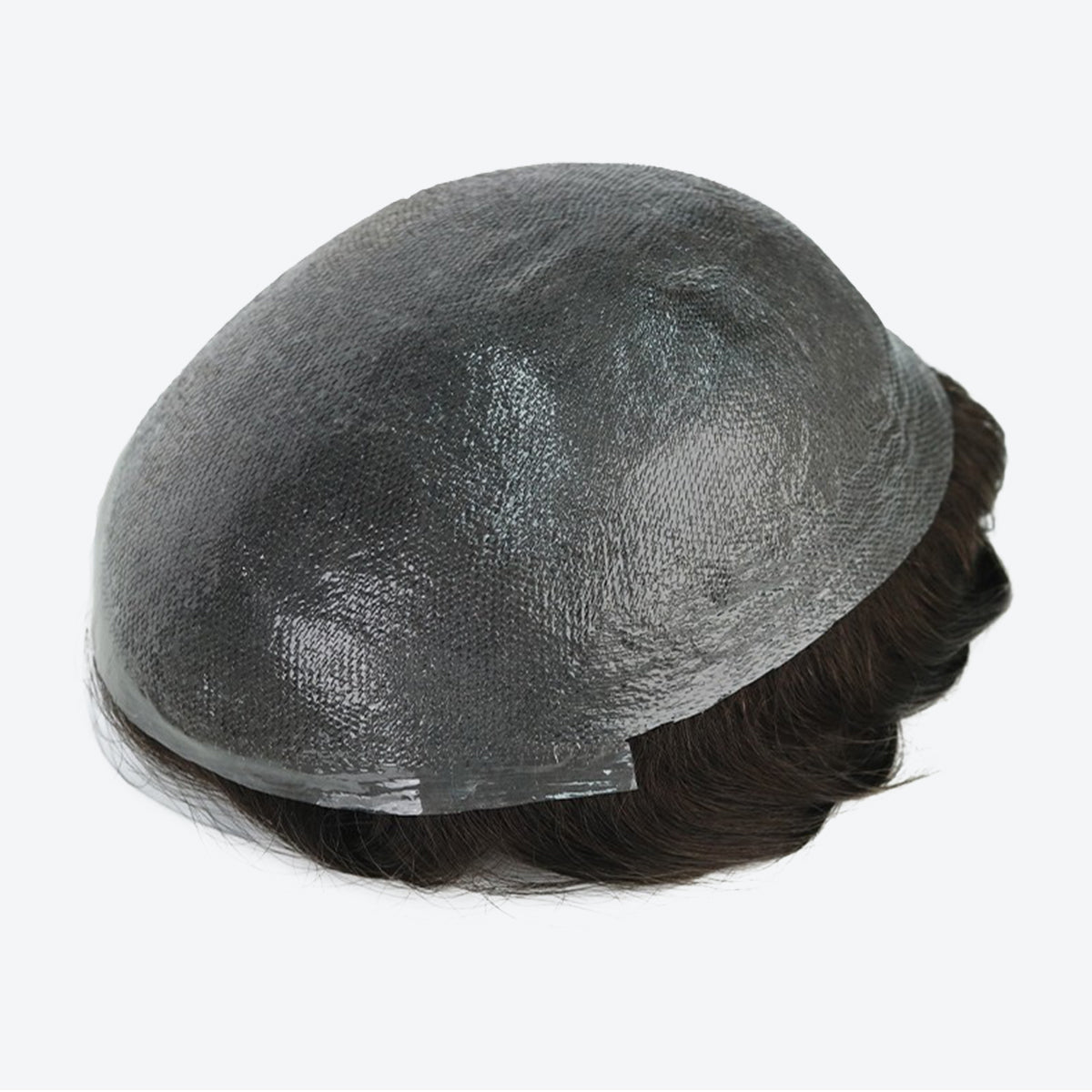
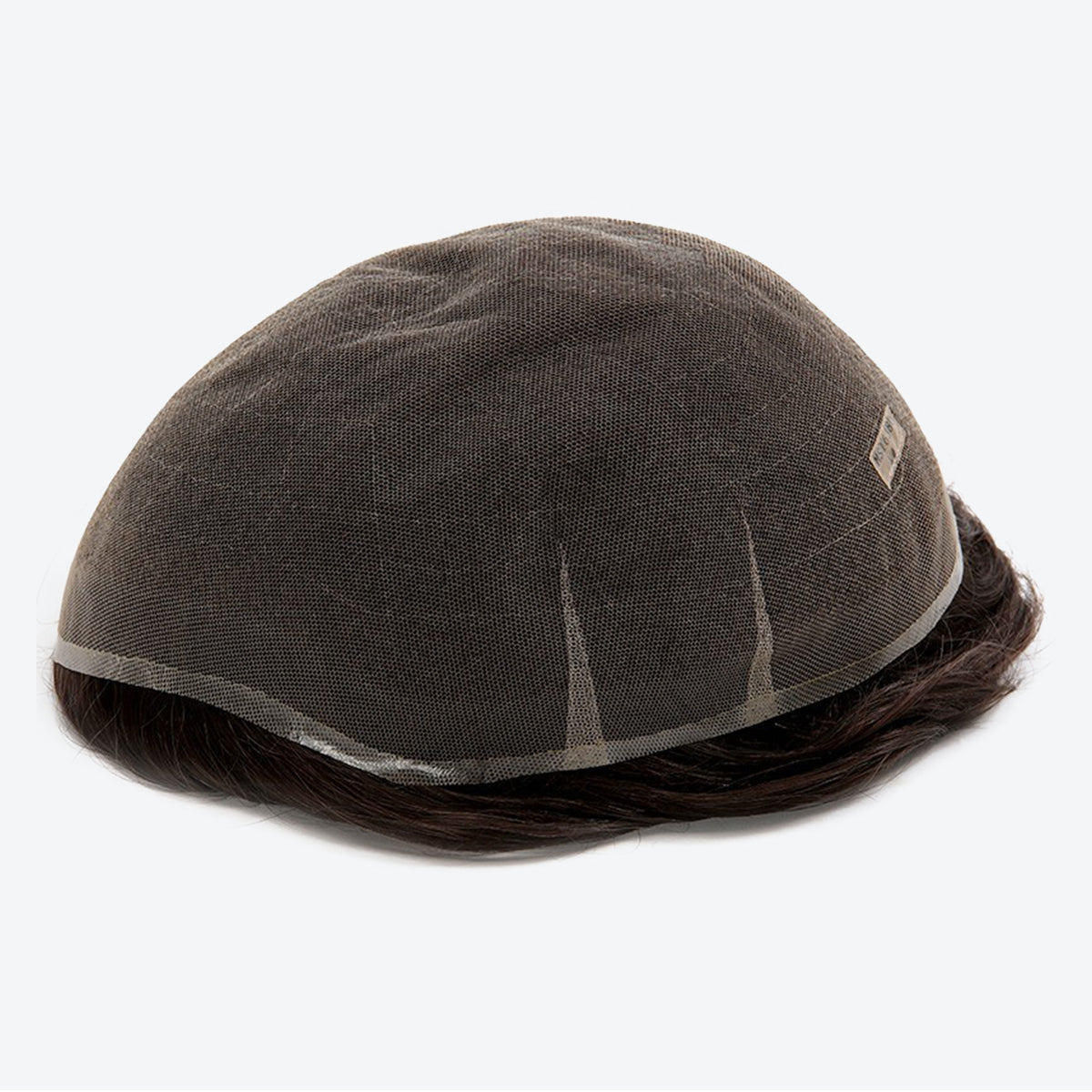
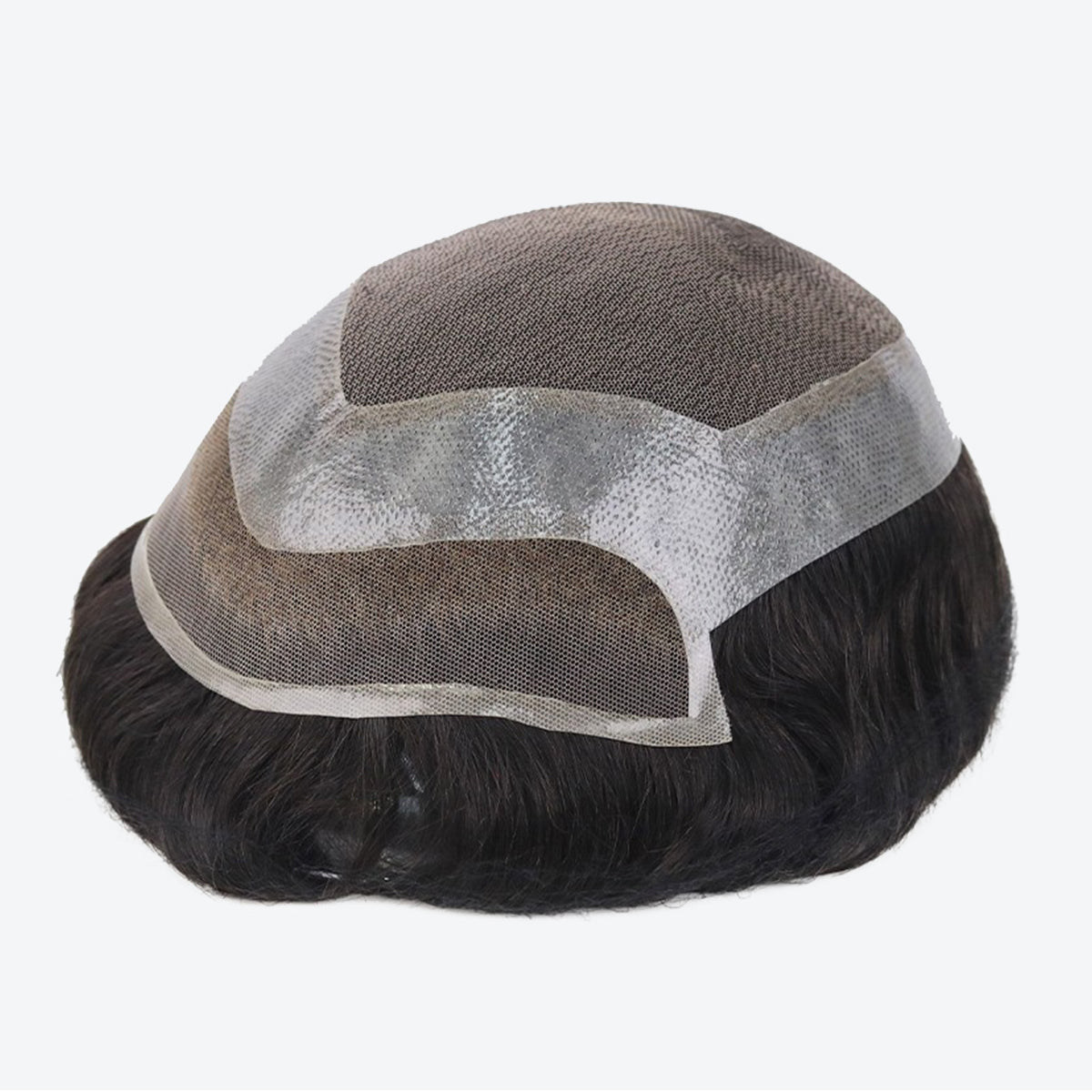
If your man bun receding hairline has already become more noticeable, simply adjusting your styling habits may no longer be enough to fully restore the look you want. At this stage, many people begin to consider cosmetic solutions such as hair systems or wigs.
- Instantly cover thinning areas and redefine the hairline
- Create a fuller, more natural-looking appearance without waiting for regrowth
- Allow you to keep your preferred hairstyle, including a man bun
- Reduce ongoing stress and tension on your natural hair
For those who still prefer the man bun style, a common approach is to wear a hair system and style the bun using the added hair.
- Maintain the same look without relying on weakened natural hair
- Avoid further tension-related damage
- Keep styling flexibility while protecting your existing hair
In other words, instead of choosing between your hairstyle and your hairline, this approach allows you to maintain both with significantly less risk. Need to note that hair systems are a cosmetic option rather than a medical treatment. They focus on improving appearance and require regular maintenance. If you want to learn how to maintain the system, please check the related articles: How to Care and Maintain Your Men’s Hair Replacement System
FAQ
Can a man bun cause a receding hairline?
A man bun itself does not directly cause permanent hair loss, but tight and repetitive pulling on the hair may contribute to tension-related shedding over time.
Is man bun hair loss permanent?
In early stages, hair may improve if tension is reduced. However, long-term or repeated pulling may lead to more persistent thinning in some cases.
How can I tell if it is traction alopecia or genetic hair loss?
Traction-related hair loss is often linked to tight hairstyles and may affect the hairline or temples. Genetic hair loss usually follows a more predictable pattern and is not related to styling habits. A professional diagnosis is recommended for certainty.
Can hair grow back after stopping tight hairstyles?
If follicles are not permanently damaged, reducing tension may allow partial or full improvement over time. Results vary depending on duration and severity.
Do hair systems treat hair loss?
Hair systems do not treat hair loss. They are a cosmetic solution used to improve appearance while managing thinning or receding areas.
Conclusion
If maintaining your hairstyle matters to you, choosing the right solution early, whether it is better styling habits or a well-matched hair system, can make all the difference in how natural and confident your look feels every day.


