

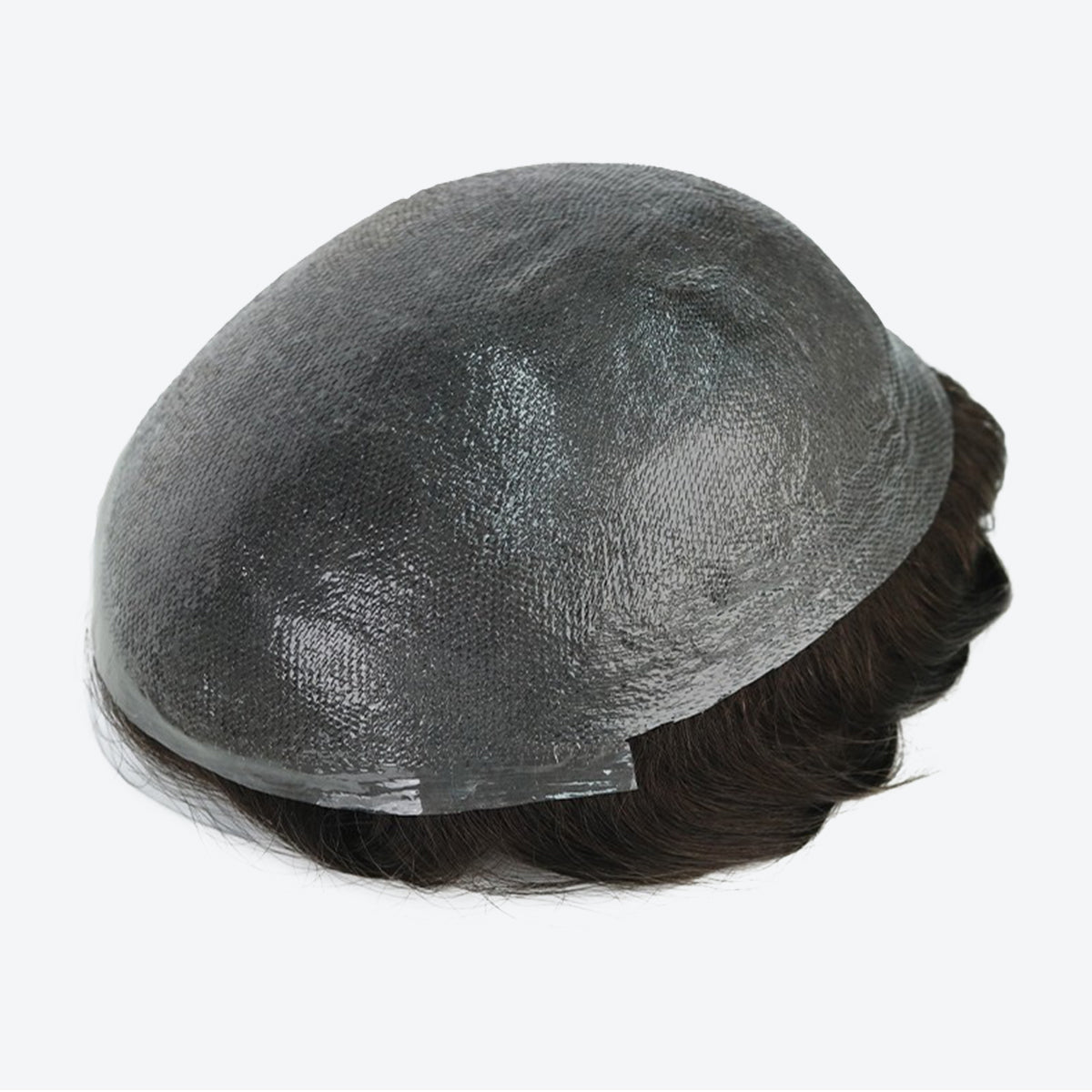
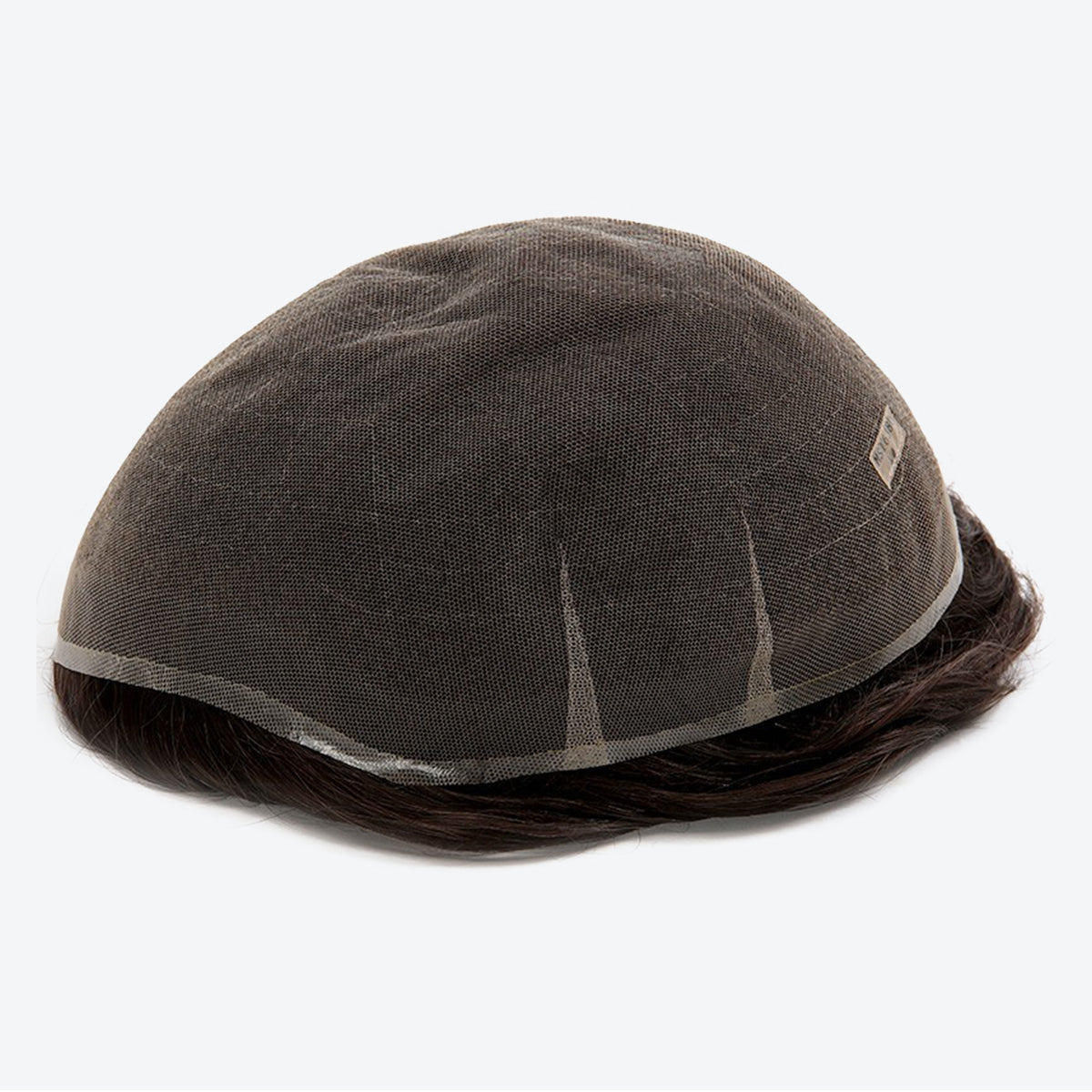
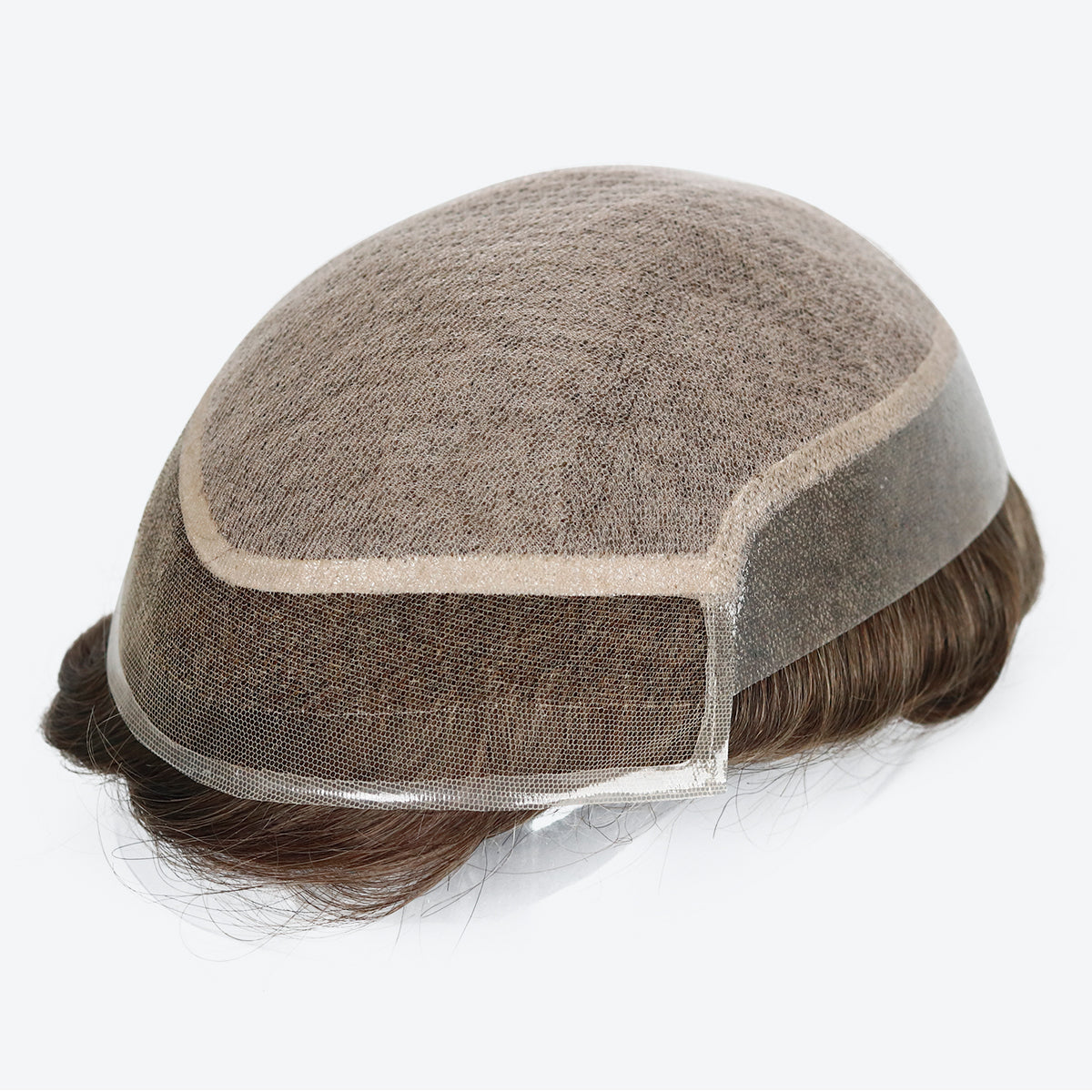
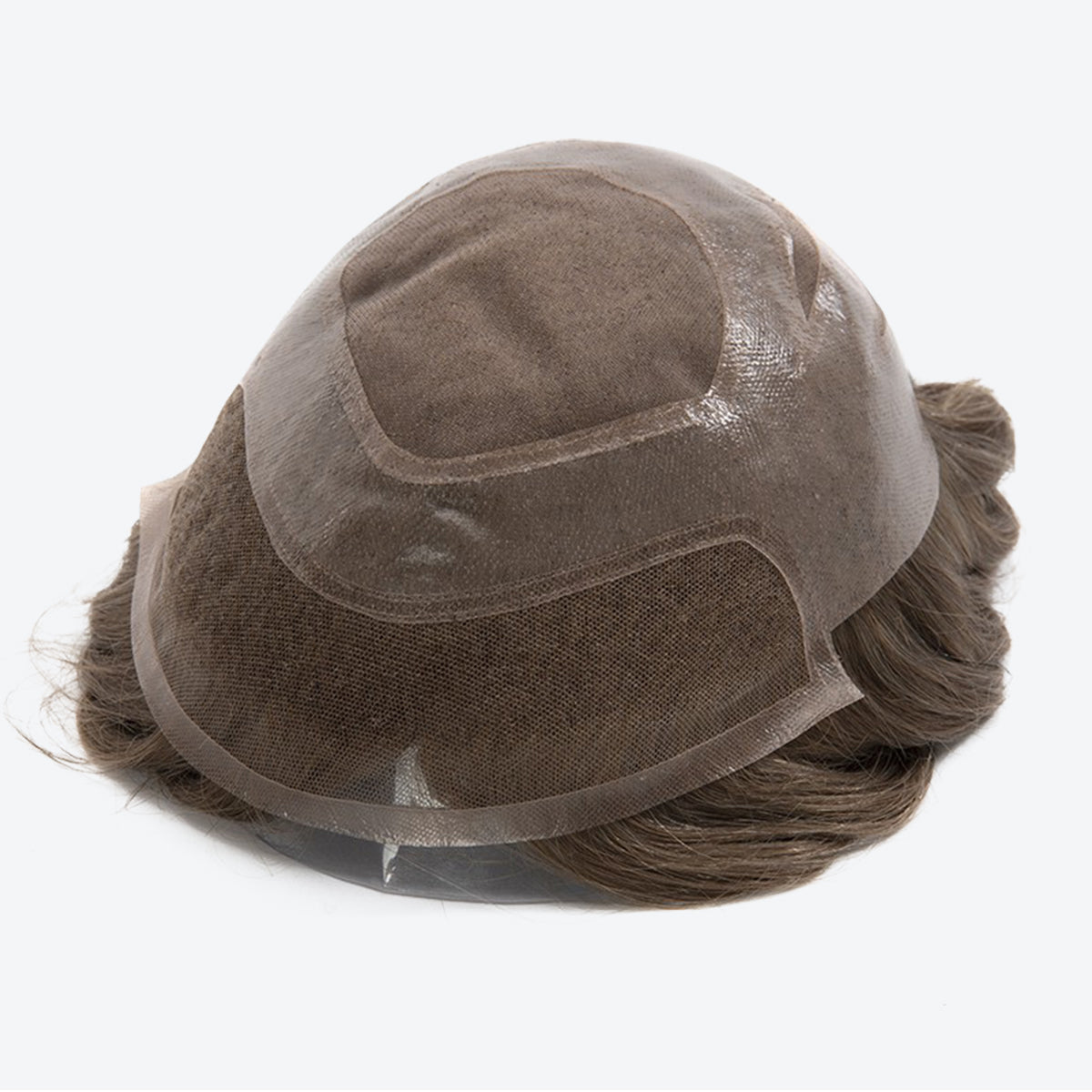
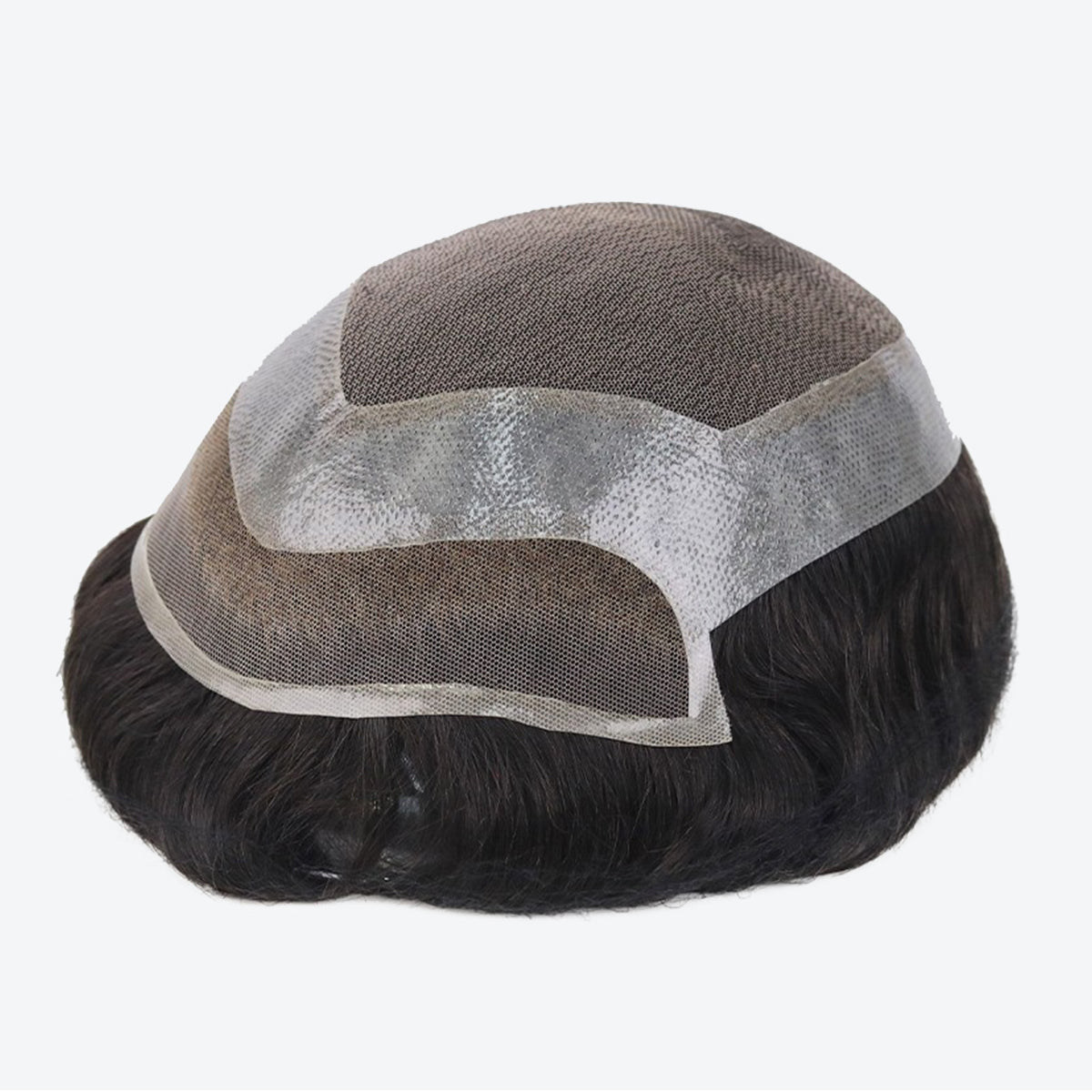

A hair system is not merely a product; it is an investment in image stability. However, unlike the hair growing from your scalp, a hair system is biologically static. It lacks a follicle to supply nutrients and sebum (natural oils), making it vulnerable to environmental stressors.
One of the most common challenges for daily toupee wearers is Oxidation—the chemical process where UV rays and oxygen break down color molecules, turning the hair reddish or "brassy."

This is not a defect; it is physics. Just as a museum-grade tapestry fades in sunlight, human hair systems react to the elements. This guide outlines the engineering logic behind color degradation and the protocols required to maintain an undetectable appearance.
The Science of Fading: Why It Happens
To prevent fading, one must understand the mechanism. In a LaVivid human hair system, the color is processed to achieve a specific shade. Over time, two factors compromise this shade:
-
UV Oxidation: Ultraviolet rays lift the hair cuticle and degrade the melanin (pigment). Since red pigment molecules are larger and more stubborn than ash/brown molecules, the ash tones fade first, leaving behind the underlying warm, rusty tones.
-
Hydro-Fatigue & pH Stripping: Water swells the hair shaft. Combined with harsh detergents (sulfates), this swelling allows pigment to escape and strips the silicone coating applied during manufacturing to mimic natural cuticles.
The Reality Check: You cannot stop oxidation entirely, but you can significantly decelerate it through a disciplined maintenance routine.
Protocol 1: The Wash Cycle
Minimizing friction and chemical stripping.
The most common error is treating a hair system like growing hair. It requires a gentler, more calculated approach.
-
Eliminate Sulfates: Sulfates are abrasive detergents found in drugstore shampoos. They act like paint thinners on processed hair. Always use a sulfate-free, color-safe hair system shampoo formulated for treated hair.
-
Temperature Control: Hot water opens the hair cuticle, accelerating pigment loss. Wash with lukewarm water and finish with a cool rinse to seal the cuticle.
-
The "Press, Don't Scrub" Method: Never scrub the hair in a circular motion, as this causes tangling and breakage at the knot. Instead, use a wide-tooth comb to distribute shampoo downwards, pressing it gently through the hair.
Pro Tip: For systems with Bleached Knots (the invisible knots at the hairline), avoid applying conditioner directly to the lace base. Oils can loosen the knots over time, causing shedding. Keep conditioner focused on the mid-lengths and ends.
Protocol 2: Environmental Shielding
Protecting the polymer and the fiber.
UV rays are the primary enemy of color stability. They not only fade the hair but can also yellow the lace or bio-skin base over time.
-
Physical Barriers: The most effective protection is a hat. If you are spending hours in direct sunlight (golfing, beach, hiking), physical shade outperforms any chemical spray.
-
UV Protectant Sprays: For daily exposure, apply a leave-in conditioner with UV filters. These act as a sacrificial layer, absorbing the radiation so the hair pigment doesn't have to.
-
Chlorine Management: Chlorine is a bleaching agent. If you must swim:
-
Wet the hair with fresh water before entering the pool (hair acts like a sponge; if it's full of fresh water, it absorbs less chlorinated water).
-
Rinse immediately after swimming.
-
Use a specialized chlorine-neutralizing shampoo.
-
Protocol 3: Thermal Regulation
Preventing mechanical damage.
While LaVivid systems utilize high-grade human hair, it is processed hair. It holds less moisture than growing hair and is more susceptible to heat damage.
-
The 300°F (150°C) Limit: When using styling tools, never exceed this temperature. High heat boils the residual moisture inside the hair shaft, leading to immediate brittleness and color shifting.
-
Heat Protectants: Always apply a thermal protectant spray before blow-drying or ironing.
-
Air Drying: Whenever your schedule permits, let the system air dry on a stand. This preserves the structural integrity of the hair fibers.
Corrective Measures: Dealing with "Brassiness"
Even with perfect care, a system worn daily for 3-4 months will naturally oxidize towards a warmer tone. When you notice the hair turning slightly red or orange, do not panic. This is manageable.
-
Color-Correcting Shampoos:
-
Purple Shampoo: Neutralizes yellow tones (best for blonde/grey systems).
-
Blue Shampoo: Neutralizes orange/brass tones (best for brown/dark systems).
-
Usage: These are potent. Use once every 3-4 washes, or mix 50/50 with your regular shampoo to avoid over-toning.
-
-
Color-Depositing Conditioners: Products like Back2Natural are industry standards for a reason. They deposit pigment back into the hair without the damage of chemical dyes.
Summary: The Trade-Off
A hair system offers the immediate restoration of a full head of hair, but it demands stewardship. By understanding the physics of oxidation and adhering to these protocols, you extend the lifespan of your unit and maintain the undetectable appearance that matters most.
Ready to upgrade your maintenance kit? Click here

